Models & Labs
Grok 4.7 Receives Rough Reception from Users and Critics
The AI Daily Briefmedium confidence
Why it matters
- →Indicates potential quality control or performance issues within xAI's latest release.
- →Reflects growing user scrutiny of AI model capabilities and reliability.
- →May impact xAI's brand reputation relative to rivals like OpenAI and Anthropic.

xAI's recently released model, Grok 4.7, is facing a rough reception from the AI community and general users alike. While specific technical failures were not detailed in the brief, the negative sentiment suggests potential issues with performance or alignment compared to competitors. This marks a notable setback for xAI as it attempts to solidify its position in the competitive large language model market.
Read originalMore from The AI Daily Brief
© The AI Daily BriefMarket & Regulationbusiness
Scott Bessent Rejects Liability Shields for AI Labs
US Treasury Secretary Scott Bessent has publicly rejected the idea of providing liability shields to artificial intelligence laboratories.
The AI Daily Brief
© The AI Daily BriefResearchresearch
OpenAI and Anthropic Abandon Cross-Testing Deal
A previously planned cross-testing agreement between OpenAI and Anthropic has been abandoned.
The AI Daily Brief
More in Models & Labs
 © TechCrunch AI
Models & Labsother
Qualcomm unveils Snapdragon 8 Elite Gen 6 with local AI focus
Qualcomm is pushing the boundary of on-device intelligence with its new Snapdragon 8 Elite Gen 6 series, specifically targeting autonomous agents. The Extreme variant can locally run a 30-billion-parameter mixture-of-experts model, a significant leap that rivals Apple's latest foundation models while keeping data off the cloud. A dedicated sensing hub handles smaller tasks like speaker differentiation and personal memory without draining the main processor. This hardware shift signals that smartphones are becoming the primary hub for private, always-on AI agents rather than just app interfaces.
TechCrunch AI
 © TechCrunch AI
Models & Labsmodels
OpenAI releases GPT-6 Sol and Luna with lower costs
OpenAI is expanding its GPT-6 lineup by releasing updated versions of the smaller Sol and Luna models, aiming to make high-tier intelligence more accessible. The key differentiator here is a significant price cut—API access is now half the cost of the previous 5.6 series—driven by better caching and inference efficiency. OpenAI claims these updates reduce factual errors by half for Sol, bringing it closer to Astra-level reliability without the premium price tag. This move directly targets Anthropic’s recent Opus update, intensifying the race for developer mindshare in the coding and high-volume task sectors.
TechCrunch AI
 © GitHub Changelog
Models & Labscoding
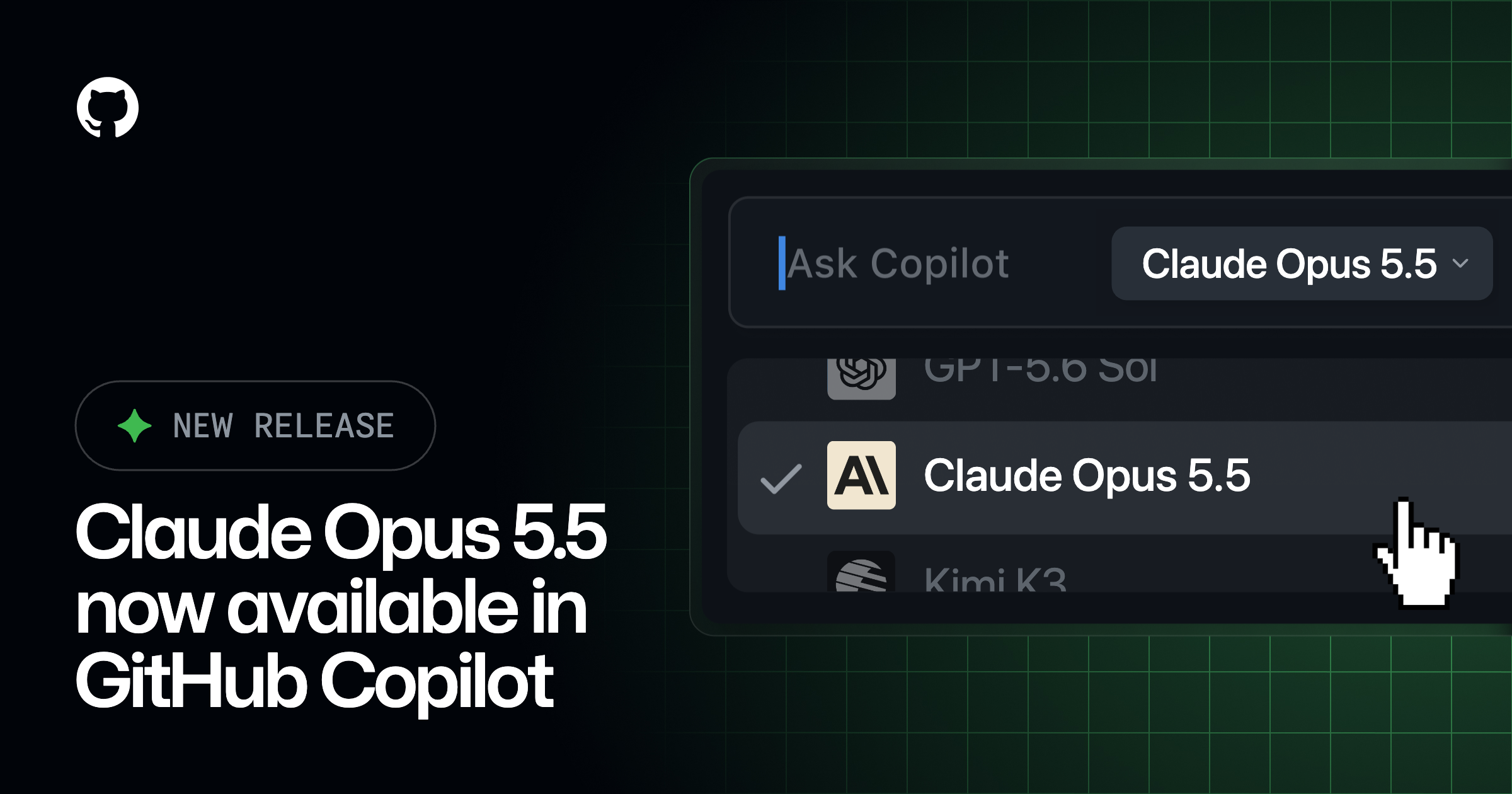
Claude Opus 5.5 arrives in GitHub Copilot
Anthropic’s latest flagship model is finally inside the IDE, marking a significant shift for enterprise developers who rely on GitHub Copilot. Early benchmarks suggest Opus 5.5 matches its predecessor’s accuracy while consuming fewer tokens and recovering faster from errors in complex agentic workflows. This efficiency gain matters because long-running coding tasks often hit context limits or incur high costs; reducing step count directly lowers friction for multi-file refactoring. The gradual rollout across major IDEs means builders can soon test whether this model handles their most stubborn debugging sessions better than the previous standard.
GitHub Changelog