Coding Tools
GitHub Copilot Adds Enterprise Model Customization
GitHub Changeloghigh confidence
Why it matters
- →Enterprises can now tailor AI models to fit specific team workflows.
- →This enhances the integration of AI tools into existing development processes.
- →It provides flexibility and control over AI model deployment at the organizational level.
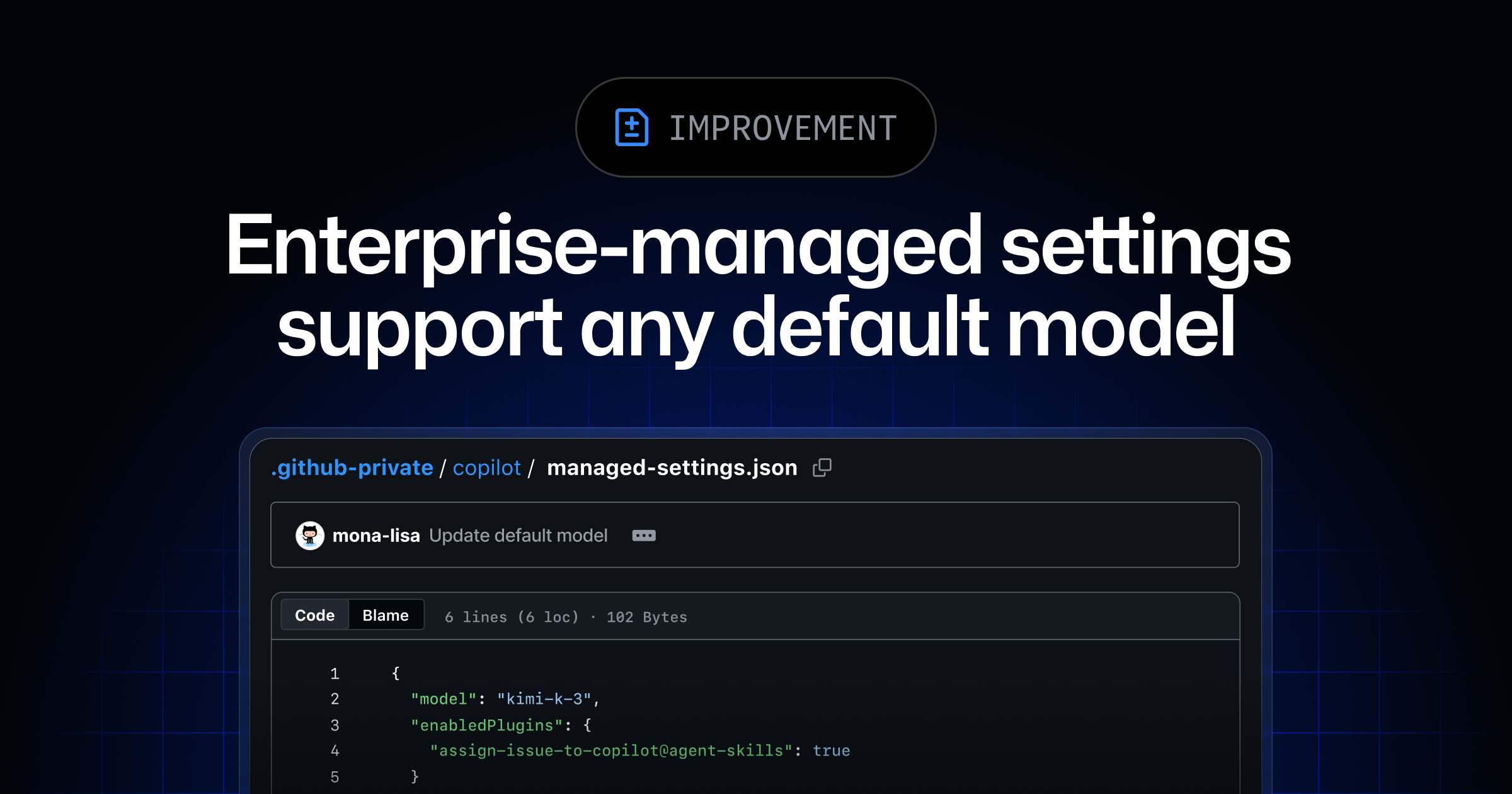
GitHub has rolled out a feature that allows enterprises to set default Copilot models for their teams, enhancing customization options. This update lets organizations assign specific models as defaults based on team membership, providing flexibility in AI tool integration. The feature is available for GitHub Copilot Business and Enterprise users, as well as in the Copilot CLI and Visual Studio Code. This move aims to better align AI assistance with enterprise workflows.
Read originalMore from GitHub Changelog
 © GitHub Changelog
Coding Toolscoding
GitHub Copilot Adds Content Exclusion Feature
GitHub has rolled out a content exclusion feature for its Copilot app and CLI, enhancing security for enterprise and organization administrators. This new capability allows administrators to configure policies that prevent sensitive files from being used as context, thereby protecting proprietary code in agentic workflows. Available to Copilot Business and Enterprise customers, this update aims to provide a more secure environment for developers dealing with sensitive information. By implementing these exclusion policies, GitHub Copilot is making strides in offering AI assistance that doesn't compromise security. This development is a clear step towards ensuring that AI tools can be both powerful and safe for enterprise use.
GitHub Changelog
 © GitHub Changelog
Market & Regulationbusiness
GitHub Launches Enterprise Live Migrations for GHES
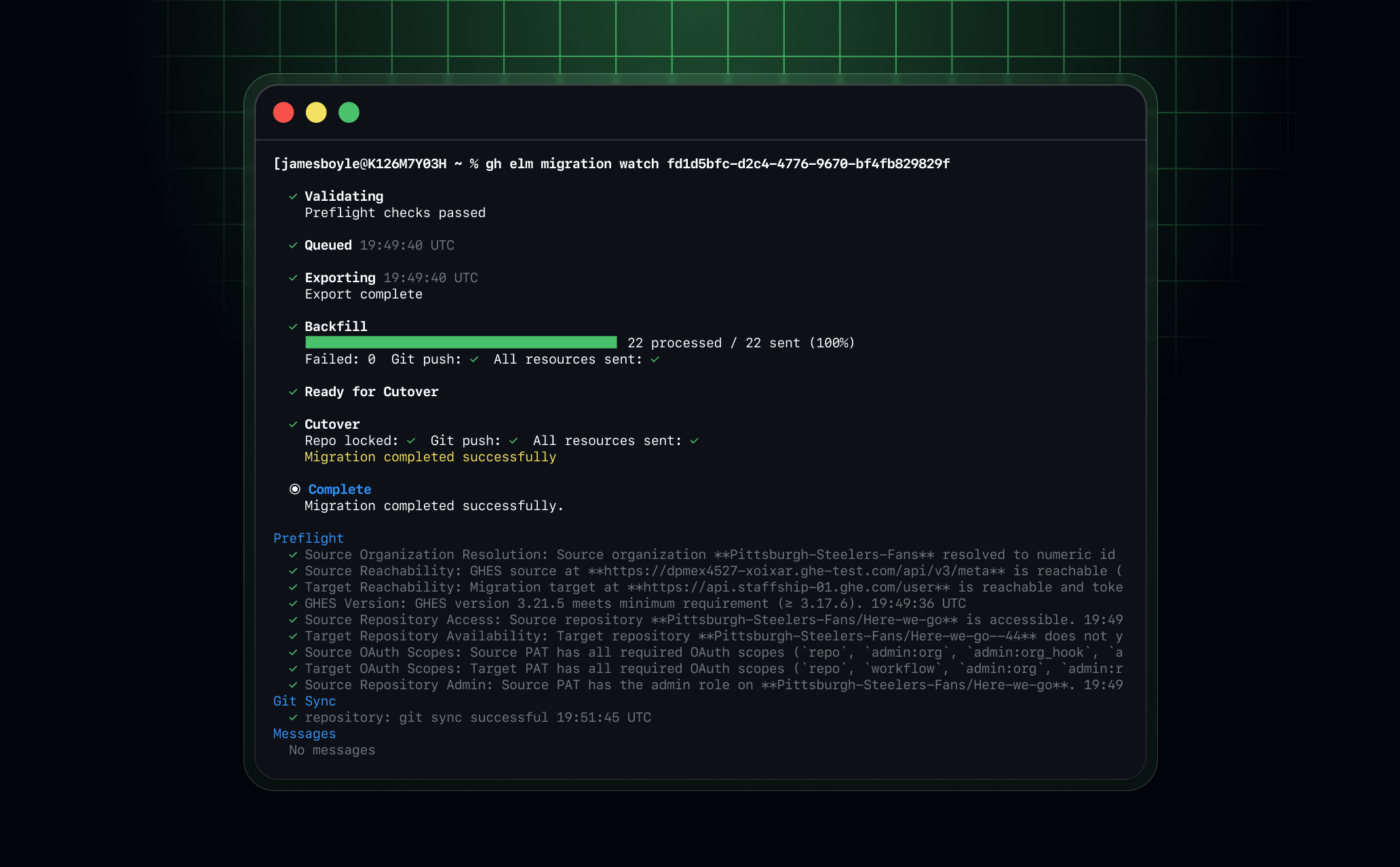
GitHub's new Enterprise Live Migrations (ELM) tool is now generally available, offering a seamless way to migrate repositories from GitHub Enterprise Server to GitHub Enterprise Cloud with minimal downtime. This tool is particularly beneficial for large, active repositories, allowing continuous contributions during migration. ELM is designed to handle massive monorepos and integrates with the GitHub CLI for easy management. This development means businesses can now migrate critical repositories without disrupting their workflow, a significant advantage for globally distributed teams.
GitHub Changelog
 © GitHub Changelog
Coding Toolscoding
GitHub Copilot Can Now Approve Pull Requests
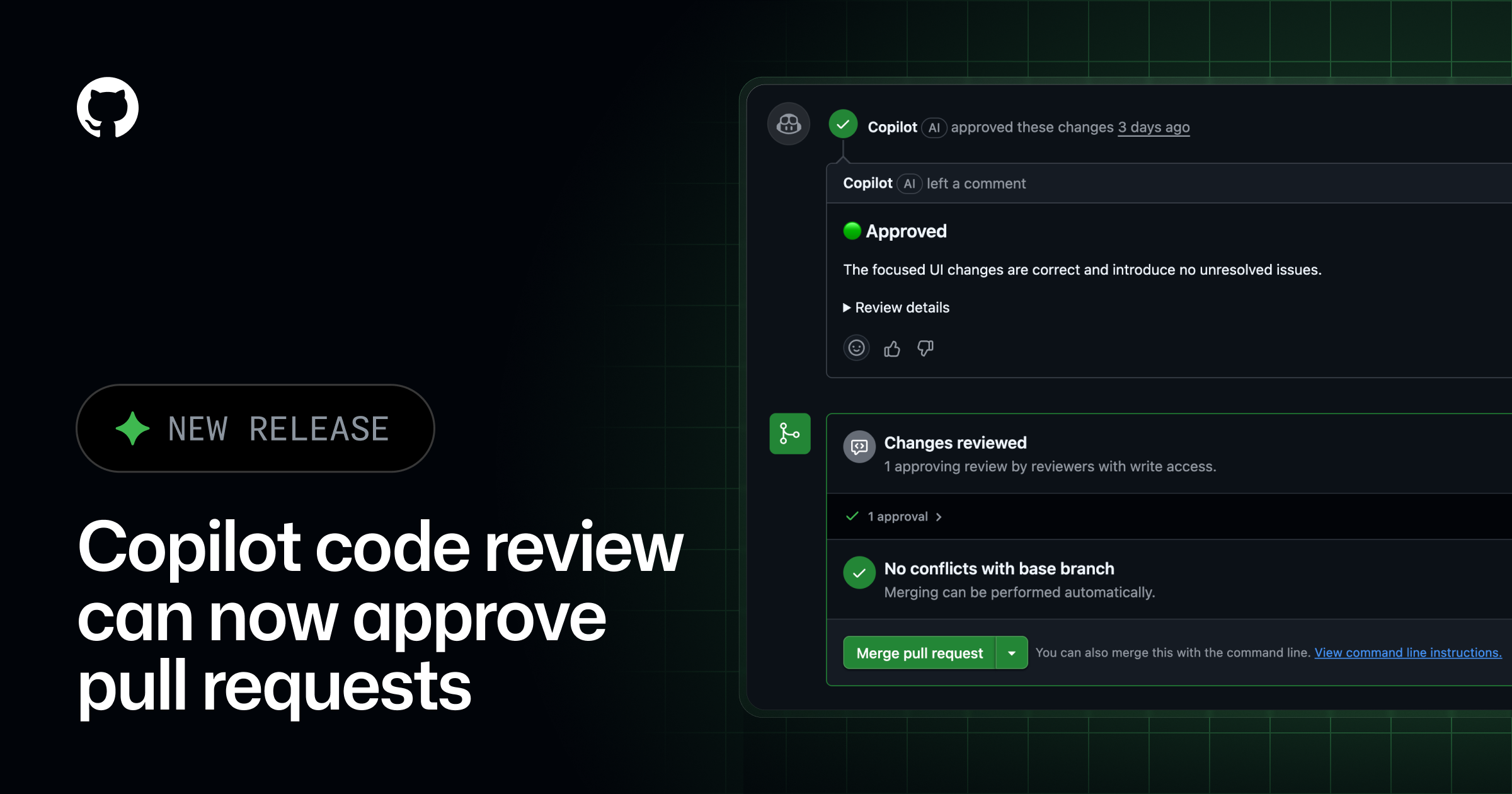
GitHub Copilot has introduced a new feature allowing it to assess and approve pull requests, providing developers with an automated judgment on code readiness. This feature is configurable at various administrative levels, including enterprise, organization, and repository, and is available in public preview for certain GitHub plans. While Copilot's approval doesn't automatically fulfill merge requirements, it offers a quick assessment that can be acted upon by developers. This enhancement signifies a step towards more automated and efficient code review processes, though human oversight remains crucial.
GitHub Changelog
More in Coding Tools
Coding Toolscoding
Claude Code v2.1.259 Release
The latest update to Claude Code, version 2.1.259, brings significant improvements and fixes that enhance its functionality and user experience. With the addition of managed MCP servers and a new permission prompt mode for headless hosts, organizations can now manage their operations more efficiently. The update also resolves various bugs, such as issues with concurrent sessions and prompt cache invalidation, leading to smoother performance. These enhancements make Claude Code more reliable and user-friendly, especially for developers dealing with complex workflows and integrations.
Claude Code Releases
Coding Toolscoding
Claude Code v2.1.257 Release
The latest update to Claude Code, version 2.1.257, introduces several enhancements and fixes that improve user experience and functionality. Notably, the new Claude Fable 5.1 model becomes the default, offering a 1M context at competitive pricing. The update also adds new time format settings and a containment escape rule to enhance security. Numerous bug fixes address issues like session management, background processes, and permission handling, making the platform more robust and reliable. This release signifies a step forward in refining the tool's usability and performance for developers.
Claude Code Releases
Coding Toolscoding
Claude Code v2.1.251 Release
The latest update to Claude Code, version 2.1.251, introduces several enhancements and fixes aimed at improving user experience and system reliability. Notable additions include new hook events for model switching and live streaming of tool calls for Remote Control clients. The update also addresses numerous bugs, such as issues with file tools and session management, ensuring smoother operation across various scenarios. These changes make Claude Code more robust and user-friendly, particularly for developers managing complex AI workflows.
Claude Code Releases