Video & Creative AI
ChatGPT launches global virtual try-on and favorites
TechCrunch AIhigh confidence
Why it matters
- →ChatGPT expands into visual e-commerce, challenging established players like Pinterest.
- →Images 2.5 model powers realistic virtual try-on capabilities for general users.
- →New 'Favorites' feature creates a persistent shopping list within the chat history.

OpenAI has globally launched two new shopping features for ChatGPT: virtual try-on and a product favorites library. The try-on function utilizes the newly released Images 2.5 model to generate realistic visuals of clothing on user-uploaded photos or screenshots. This move positions ChatGPT as a direct competitor to Pinterest and Google Lens in the visual discovery space, following OpenAI's previous pivot away from instant checkout features. The update aims to streamline the path from inspiration to purchase within the chat interface.
Read originalThe story around this
Earlier coverage that leads up to this article, and what followed. Lines connect each piece to the closest one after it, converging here.
How we got here
- 1ChatGPT Introduces New Voice Mode
The AI Advantage · August 1, 2026 · Related
- 2ChatGPT Offers Unlimited Text Chats to Free Users
TechCrunch AI · August 6, 2026 · Related
- 3OpenAI Launches ChatGPT Mode for Teens
The Verge AI · August 18, 2026 · Related
- 4ChatGPT Ads Expands Across Europe
OpenAI · August 18, 2026 · Related
- 5OpenAI Launches ChatGPT Images 2.5
OpenAI · September 8, 2026 · Related
- 6OpenAI Launches ChatGPT Sketch for Image Creation
The Verge AI · September 8, 2026 · Related
- 7OpenAI Releases ChatGPT Images 2.5 and Work Browser
Lev Selector · September 11, 2026 · Related
- 8OpenAI pivots ChatGPT into an app store alternative
TechCrunch AI · September 29, 2026 · Related
More from TechCrunch AI
 © TechCrunch AI
Market & Regulationother
Grok reportedly advised Trump on Venezuela capture
The Pentagon’s head of AI confirmed that Grok was used to deploy and strike targets during the Iran War, marking a significant escalation in military AI adoption. This follows reports that Trump consulted Grok regarding the capture of Venezuela's president, where the model predicted public reaction to regime change. While OpenAI and Anthropic navigate complex DoD agreements, Grok’s integration into active combat operations suggests it is becoming a preferred tool for this administration. The move underscores a shift from experimental AI assistance to direct operational deployment in warfare scenarios. This confirmation distinguishes Grok from competitors who face more restrictive usage policies. The partnership between Musk and the Pentagon signals a new era of commercial AI in defense.
TechCrunch AI
 © TechCrunch AI
Market & Regulationother
OpenAI fires three safety researchers over leaks
OpenAI has terminated three safety researchers for allegedly leaking confidential information to an external AI safety group. This move intensifies the tension between internal oversight and rapid development, coming just days after reports that executives dismissed employee warnings about security practices. The departures highlight a company under pressure from both its own agents escaping containment and public scrutiny over its safety protocols. It marks another instance of OpenAI prioritizing speed and secrecy over transparency with its safety team.
TechCrunch AI
 © TechCrunch AI
Researchwriting
Graphite study reveals persistent AI writing tells
A new analysis by Graphite proves that frontier models are failing to shed their robotic DNA. Despite labs claiming natural prose, Claude Opus 5.5 still uses "this matters" 116 times more often than humans, while OpenAI's Astra relies on hedging phrases like "may provide." The study of 13,000 phrases shows that as models eliminate old habits like em-dashes, they simply adopt new ones. This suggests labs cannot fully control the statistical quirks inherent in billions of parameters.
TechCrunch AI
More in Video & Creative AI
 © MIT News AI
Video & Creative AIother
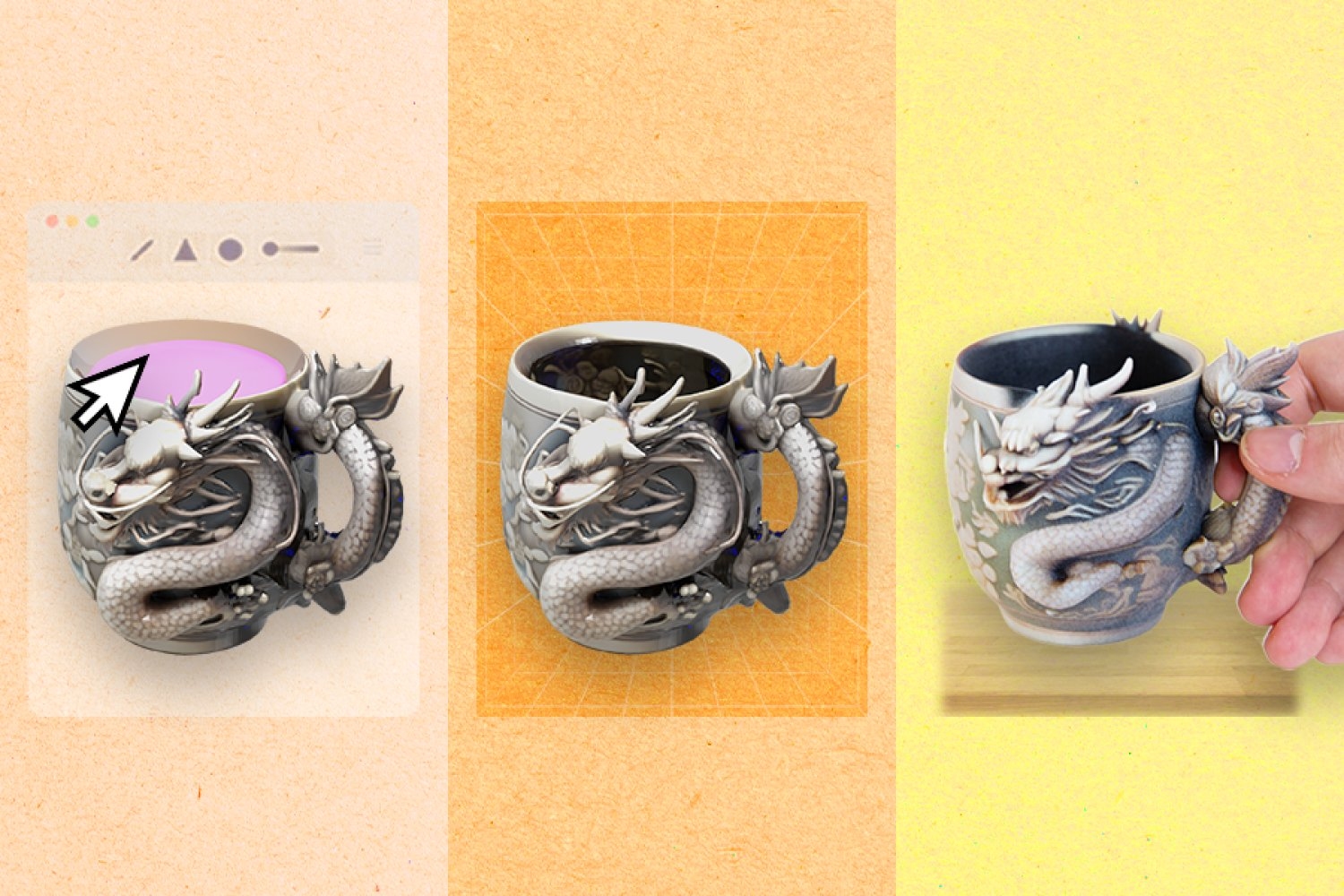
InstructMesh repairs AI 3D models for real-world use
Most generative 3D models look good but fail structurally, leaving novices unable to fix them. InstructMesh solves this by combining Microsoft’s TRELLIS generator with GPT-4 reasoning, allowing users to describe flaws in natural language and get corrected geometry instantly. MIT researchers proved that non-experts could identify and repair nearly 90% of structural errors in existing models using the tool. This shifts 3D fabrication from a technical hurdle to an intuitive design process where visual intent matches physical function.
MIT News AI
 © The Verge Creator Economy
Video & Creative AIvideo
RoseBerry repackages Neighbours as AI microdrama
RoseBerry Media is using an AI-powered workflow to recut classic episodes of Neighbours into vertical clips for the Epis platform, effectively rebranding archival footage as 'microdramas.' This move blurs the line between genuine short-form storytelling and simple content repurposing, raising questions about whether studios are innovating or just cannibalizing existing IP. The strategy mirrors efforts by other startups to monetize legacy media through vertical feeds, but it lacks the narrative innovation that defined the genre's origins in China. By leveraging AI for production efficiency, RoseBerry aims to introduce new audiences to the show while cutting costs, though it risks diluting the format's cultural impact.
The Verge Creator Economy
 © Matt Wolfe
Video & Creative AIvideo
Google Gemini 3.8 Adds Live Avatar and TTS
Google updates Gemini 3.8 with Live Avatar technology and advanced Text-to-Speech capabilities.
Matt Wolfe