Market & Regulation
NVIDIA Expands AI Partnerships in South Korea
NVIDIA Bloghigh confidence
Why it matters
- →NVIDIA's partnerships in Korea enhance AI infrastructure and innovation.
- →The collaboration positions Korea as a leader in AI-driven manufacturing and cloud services.
- →These efforts highlight the strategic importance of Korea in the global AI ecosystem.
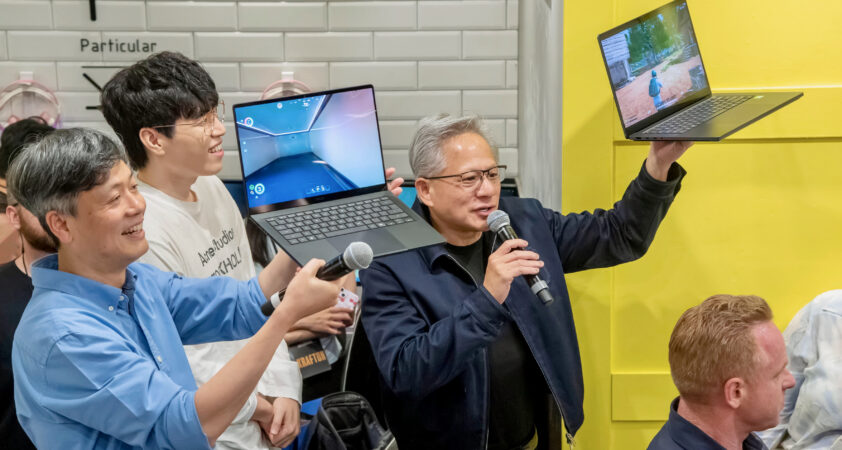
NVIDIA is strengthening its presence in South Korea by forming strategic partnerships with major Korean companies such as LG, SK, and NAVER. During his visit, CEO Jensen Huang emphasized the importance of these collaborations in advancing AI infrastructure and innovation in the region. The partnerships aim to develop AI factories and enhance AI-driven manufacturing and cloud services. This initiative positions South Korea as a significant player in the global AI landscape, leveraging its strong foundation in technology and gaming.
Read originalMore from NVIDIA Blog
More in Market & Regulation
Market & Regulationagents
AI Agents Outpace European Regulation Efforts
AI agents are advancing at a speed that European regulators are struggling to match, creating a significant challenge for oversight. The rapid pace of AI innovation is outstripping the ability of regulators to implement effective controls, raising concerns about potential risks. This situation demands more agile and responsive regulatory frameworks to keep pace with technological advancements. As AI agents become increasingly autonomous and capable, the urgency for effective regulation becomes more pronounced. The current gap between innovation and regulation underscores the need for swift action to ensure safety and ethical standards in AI development.
Sifted
 © The Verge AI
Market & Regulationbusiness
