Video & Creative AI
NBA 2K27 Launches with NVIDIA DLSS 5 on GeForce NOW
NVIDIA Bloghigh confidence
Why it matters
- →DLSS 5 technology enhances game realism, setting a new standard for cloud gaming visuals.
- →GeForce NOW expands its library, offering more choices for gamers without hardware constraints.
- →Cloud gaming continues to evolve, providing high-fidelity experiences across diverse devices.
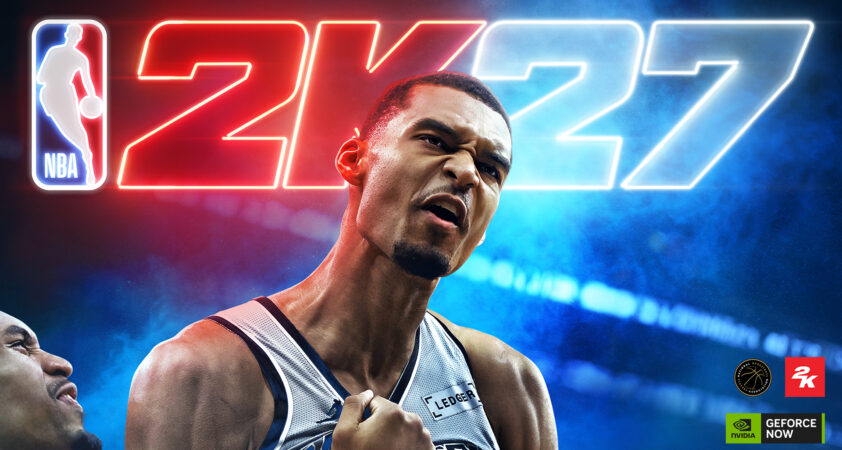
NVIDIA has announced the addition of 28 new games to its GeForce NOW streaming service, including the highly anticipated NBA 2K27. This game features NVIDIA's DLSS 5 technology, which enhances visual realism by improving lighting and material details. The collaboration with Visual Concepts and 2K aims to deliver an authentic broadcast-style experience. GeForce NOW Ultimate members can stream NBA 2K27 across multiple devices without the need for downloads. This development underscores the growing capabilities of cloud gaming in delivering high-quality experiences.
Read originalMore from NVIDIA Blog

More in Video & Creative AI
 © The Verge AI
Video & Creative AImusic
Roland Enters AI Music with Melody Flip
Roland's new Melody Flip tool marks its entry into the generative AI music space, offering a plugin for digital audio workstations that generates musical ideas rather than complete tracks. With around 250 themed 'Palettes', users can create melodies, chord progressions, basslines, or drums, either from scratch or by building on a reference track. Unlike some competitors, Melody Flip focuses on providing creative sparks rather than polished songs, with outputs that require further development in a DAW. This move reflects Roland's attempt to innovate in the AI music domain, though it may not win over all music enthusiasts.
The Verge AI
 © The Verge AI
Video & Creative AIimage
AI Struggles with Realistic Food Imagery
AI-generated food images often appear unsettling due to the technical limitations of diffusion models, which struggle with creating thin, continuous structures like noodles and tendrils. These models start with noise and refine images, but can misinterpret the basic structure, leading to bizarre and unappetizing results. The lack of understanding of real-world objects means AI can only mimic appearances without grasping their context or purpose. This results in food images that trigger human disgust, as they often resemble non-food textures or contain unsettling patterns.
The Verge AI
 © TechCrunch AI
Video & Creative AIimage
AI Menus Face Criticism for Uncanny Aesthetics
AI-generated menus in restaurants are being criticized for their unnaturally perfect food illustrations, which often appear unsettling to customers. This issue arises from AI models trained on datasets that emphasize a pleasing aesthetic, resulting in homogenized and unrealistic images. The problem is exacerbated when AI-generated content is used in further training, leading to a degradation of quality known as 'convergence.' This situation highlights the broader implications of AI in content creation, where the balance between realism and aesthetic appeal remains a challenge. As AI continues to influence visual content, the discomfort with these images points to the need for more nuanced training data and model development.
TechCrunch AI