Open Source
NEMO and Hydra connect distributed research labs
MIT News AIhigh confidence
Why it matters
- →Hydra solves the critical discovery problem for shared research infrastructure by aggregating live data from isolated lab systems.
- →The open-source NEMO model allows facilities to share operational improvements, reducing redundant development costs.
- →Real-time synchronization replaces static directories, enabling faster access to specialized equipment across institutions.
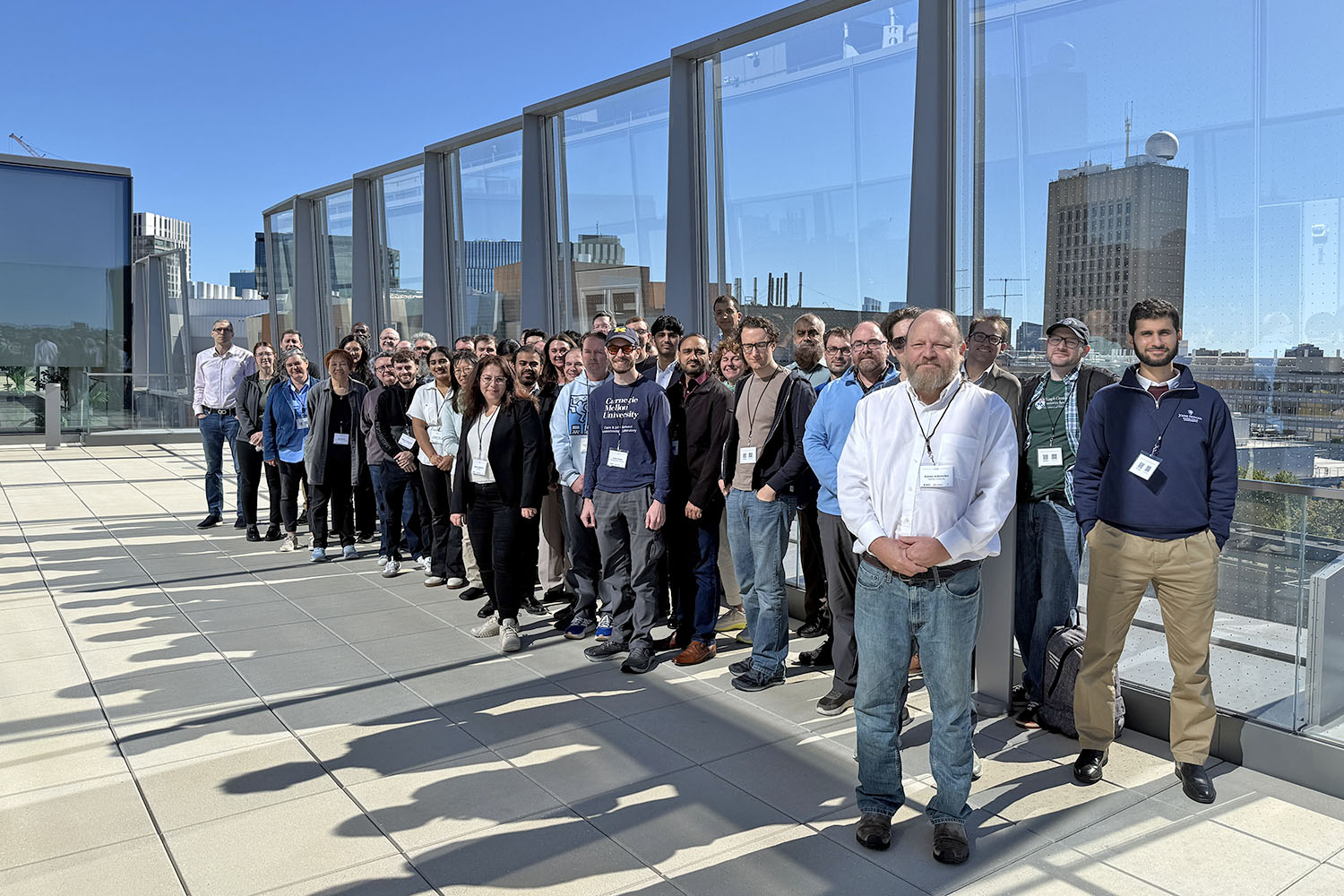
The Northeast Microelectronics Coalition (NEMC) recently hosted its 2026 User Meeting, highlighting the expansion of the open-source NanoFab Equipment Management and Operations (NEMO) platform. MIT.nano introduced Hydra, a new tool designed to connect multiple NEMO installations in real time, creating a unified directory of specialized research capabilities across participating universities and labs. The system aggregates data from existing facility management tools to make equipment availability and expertise discoverable without manual database updates. This initiative aims to reduce bottlenecks in interdisciplinary research by allowing scientists to locate and access specific instrumentation across a distributed network of institutions.
Read originalThe story around this
Earlier coverage that leads up to this article, and what followed. Lines connect each piece to the closest one after it, converging here.
How we got here
- 1MIT's FloatForm Robots Build Dynamic Water Structures
MIT News AI · July 9, 2026 · Background
- 2MIT Projects Funded by DOE's Genesis Mission
MIT News AI · July 23, 2026 · Background
More from MIT News AI
 © MIT News AI
Researchother
MIT's CheMeleon predicts molecule behavior from scant data
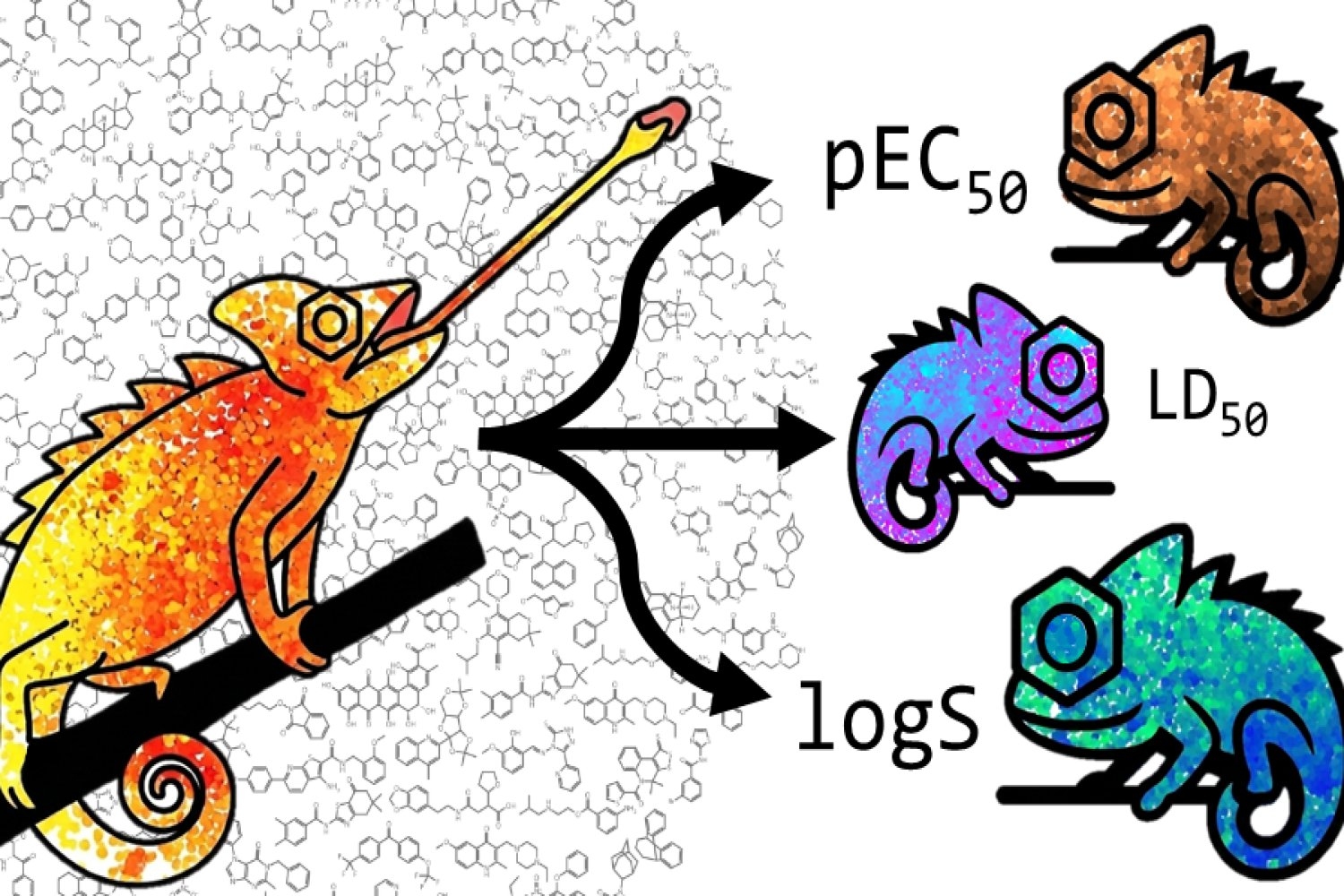
CheMeleon is a foundation model for chemistry that learns general molecular patterns from a million PubChem entries rather than specific property labels. This pre-training allows it to outperform classical expert-driven models and other AI baselines when fine-tuned on just a few data points, solving the critical bottleneck of sparse experimental data in drug discovery. Its impact is already visible: nine of the top twenty entries in a major OpenADMET contest used it, and one pharmaceutical company has made it their default starting point for modeling. This shifts molecular screening from trial-and-error to pattern-based prediction, significantly reducing the need for expensive synthesis.
MIT News AI
 © MIT News AI
Researchagents
MIT's UQ-DAAAM fixes robot memory errors
Robots often mislabel objects and get stuck with wrong memories because they lack self-doubt. MIT’s UQ-DAAAM solves this by quantifying uncertainty in vision-language model captions, triggering a re-evaluation when confidence drops. By fusing multiple viewpoints into a single accurate description, it corrects about 92% of ambiguous entries without heavy computation. This moves physical AI from brittle hallucination toward reliable, self-correcting perception essential for real-world deployment.
MIT News AI
More in Open Source
 © Lev Selector
Open Sourceimage
FLUX 3 Image Klein Open Weights Released
Black Forest Labs released FLUX 3 Image Klein, an open-weight image generation model offering high-quality results for developers.
Lev Selector
 © Matt Wolfe
Open Sourceimage
Pruna Releases PH3 Image Open-Weight Model
Pruna has released PH3 Image, an open-weight image generation model available on Hugging Face with specific hardware requirements.
Matt Wolfe
© Matt WolfeOpen Sourcevideo
Pika Releases H3 Flex Open-Weight Video Model
Video AI startup Pika has released its H3 Flex model as open-weight, allowing developers to run it on their own infrastructure.
Matt Wolfe