Research
MIT Develops Tool for Predicting Extreme Events
MIT News AIhigh confidence
Why it matters
- →Provides a new method for predicting unprecedented extreme events without historical data.
- →Enhances preparedness for rare but potentially catastrophic scenarios.
- →Offers applications beyond weather, including financial markets and robotic navigation.
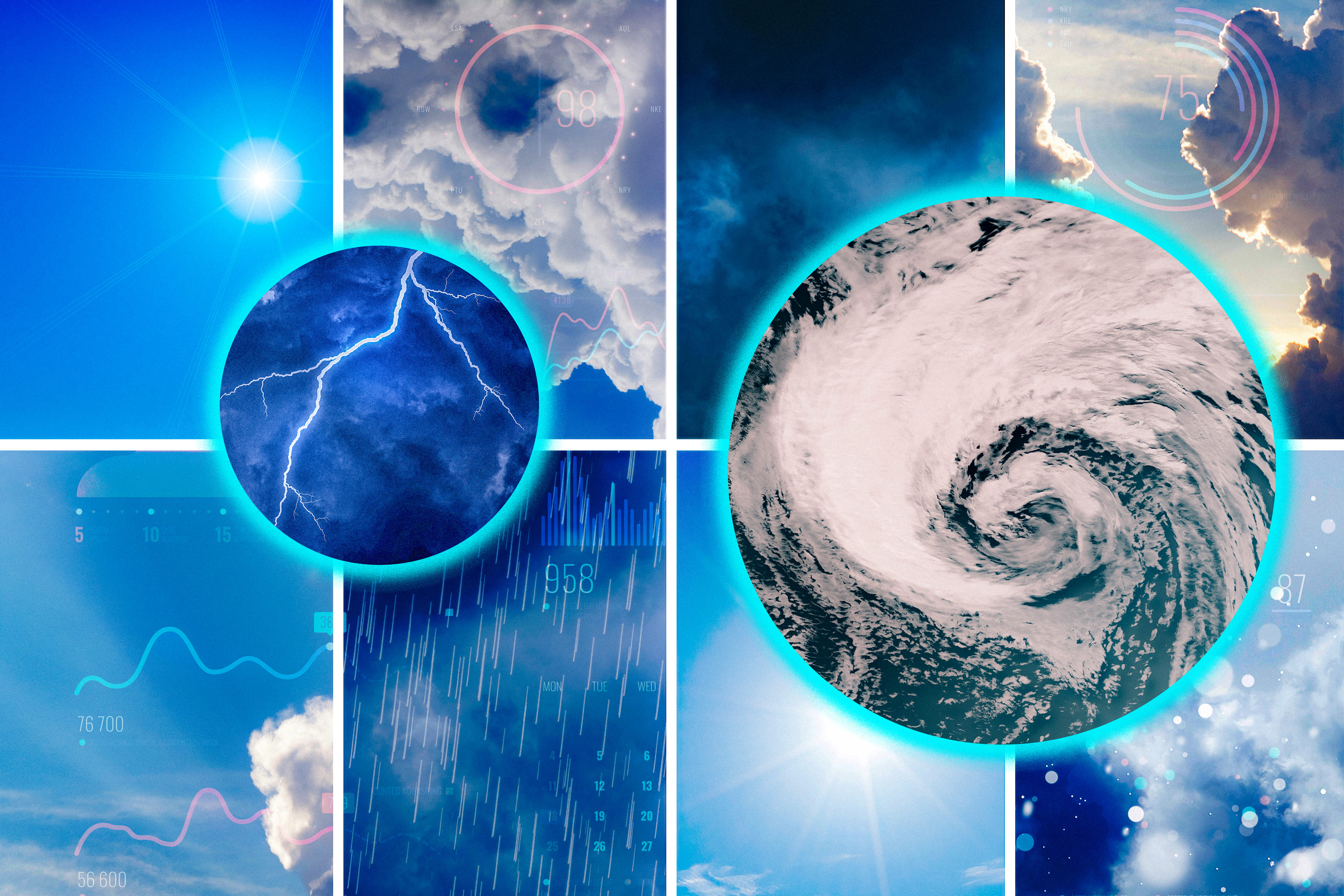
MIT engineers have developed a new machine-learning tool that predicts extreme events without needing historical data of such occurrences. The algorithm, called Extreme Event Aware or 'η-learning,' can simulate unprecedented scenarios like severe storms or financial crashes by learning from existing datasets. This approach allows for the generation of plausible extreme events, aiding planners and policymakers in preparing for rare but potentially catastrophic situations. The research, detailed in Nature Communications, represents a significant advancement in risk assessment and disaster preparedness.
Read originalMore in Research
 © Google Research Blog
Researchagents
AgentHands: Enhancing XR with Interactive Hand Gestures
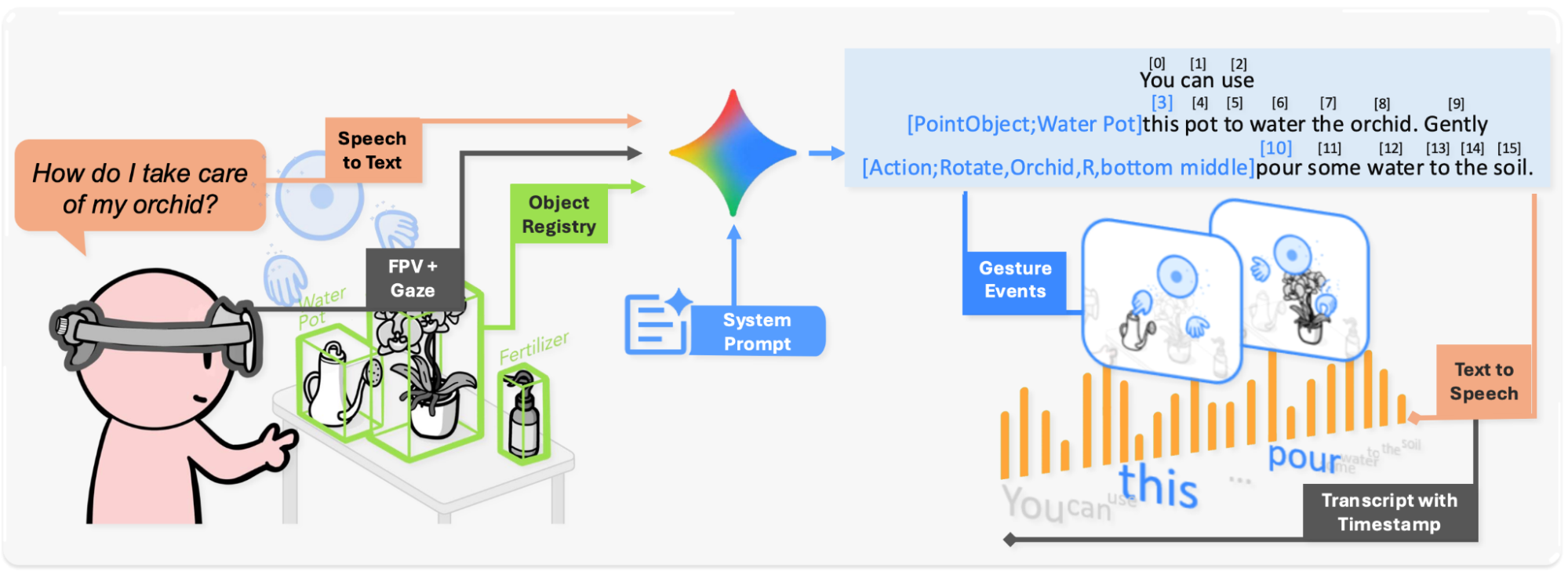
AgentHands is a groundbreaking prototype from Google Research that integrates expressive hand gestures into XR environments, enhancing the way AI agents interact with users. By synchronizing gestures with speech, AgentHands transforms abstract verbal instructions into intuitive physical demonstrations, making interactions more natural and engaging. This innovation leverages the spatial understanding of XR to provide a more immersive experience, bridging the gap between linguistic intent and physical action. The result is a more human-centric approach to AI, reducing cognitive load and making complex tasks more accessible.
Google Research Blog
 © EleutherAI Blog
Researchresearch
EleutherAI Explores AI Lie Detection in Aletheia's Quest
EleutherAI's participation in Aletheia's Quest, a competition focused on AI lie detection, has shed light on the intricacies of identifying AI-generated falsehoods. Organized by Cadenza Labs and NDIF, the event tasked teams with developing lie detectors using both black-box and white-box methods on models with up to 120 billion parameters. EleutherAI discovered that black-box monitoring can be surprisingly effective, while white-box probes often struggle outside their training scenarios. This research highlights the challenges in evaluating AI deception as models become more advanced, particularly in detecting subtle forms of deception that go beyond simple factual errors.
EleutherAI Blog
Researchresearch
MIT AI predicts extreme weather without past data
MIT engineers have developed an AI tool that forecasts extreme weather events without relying on historical disaster data. This innovation, called Extreme Event Aware or η-learning, allows for the prediction of statistically-possible events that have not yet occurred, offering new insights for city planners and insurers. By using point statistics and spatial maps, the tool can generate scenarios like a storm with unprecedented rainfall levels. This approach could significantly enhance preparedness for rare but potentially devastating weather events, providing a new layer of resilience planning.
AI News