General AI
Understanding AI Tokens and Cost Management
The AI Daily Briefhigh confidence
Why it matters
- →Understanding AI tokens is crucial for optimizing AI workflows.
- →Effective cost management can significantly impact project budgets.
- →Choosing the right models enhances the value derived from AI initiatives.
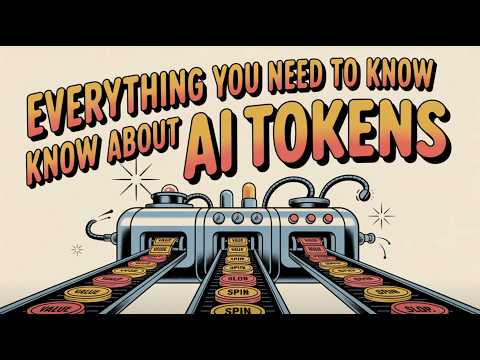
Nufar Gaspar provides insights into AI tokens, focusing on their role in agentic workflows and the potential for cost escalation. The discussion includes methods to measure cost per successful task and strategies to eliminate inefficiencies, such as 'tokens that spin.' Gaspar emphasizes the importance of selecting appropriate models and safeguarding valuable experimentation to maximize returns.
Read originalThe story around this
Earlier coverage that leads up to this article, and what followed. Lines connect each piece to the closest one after it, converging here.


