Coding Tools
Gradio Introduces AI Workflow Automation
Hugging Face Bloghigh confidence
Why it matters
- →Gradio's gr.Workflow simplifies AI pipeline creation with a user-friendly interface.
- →It turns workflows into REST APIs, enhancing accessibility and integration.
- →This feature lowers the barrier for developers to deploy sophisticated AI applications.

Gradio has launched gr.Workflow, a new feature that simplifies the creation and deployment of AI workflows. Users can now design pipelines using a drag-and-drop interface, with each workflow automatically becoming a REST API. This integration with Hugging Face Inference Providers and Gradio Spaces allows for real-time execution and visibility of intermediate results. The feature aims to streamline the process of building and deploying AI applications, making it more accessible for developers to experiment with complex AI models.
Read originalMore from Hugging Face Blog
 © Hugging Face Blog
Models & Labsmodels
Granite 4.2 LLMs Introduced by IBM and Hugging Face
Granite 4.2 marks a significant step forward in reasoning-focused language models, offering three sizes—3B, 8B, and 30B—all built on a dense, decoder-only architecture. These models are pre-trained on a massive 15 trillion tokens and feature a unique five-phase training strategy that extends the context window to 512K tokens. Notably, the 8B and 30B models undergo agentic reinforcement learning, enabling them to operate as agents in real environments, such as editing code and searching the web. This release under the Apache 2.0 license makes advanced reasoning capabilities more accessible to developers, with native tool calling and OpenAI-compatible endpoints enhancing usability.
Hugging Face Blog
 © Hugging Face Blog
Researchresearch
4-bit Model Outperforms Full-Precision Original
Hugging Face's latest research introduces Quantization-Aware Healing (QAH), a method that allows a compressed, 4-bit model to outperform its full-precision counterpart. By distilling directly from the original, pre-compression model, QAH avoids the limitations of traditional quantization-aware training. This approach not only enhances accuracy but also improves training stability, as demonstrated by a GPT-OSS 120B model that excels on 7 out of 9 benchmarks. The innovation lies in using a full-size, full-precision teacher to guide the smaller, quantized student, resulting in a model that is both efficient and highly capable.
Hugging Face Blog
More in Coding Tools
 © GitHub Changelog
Coding Toolscoding
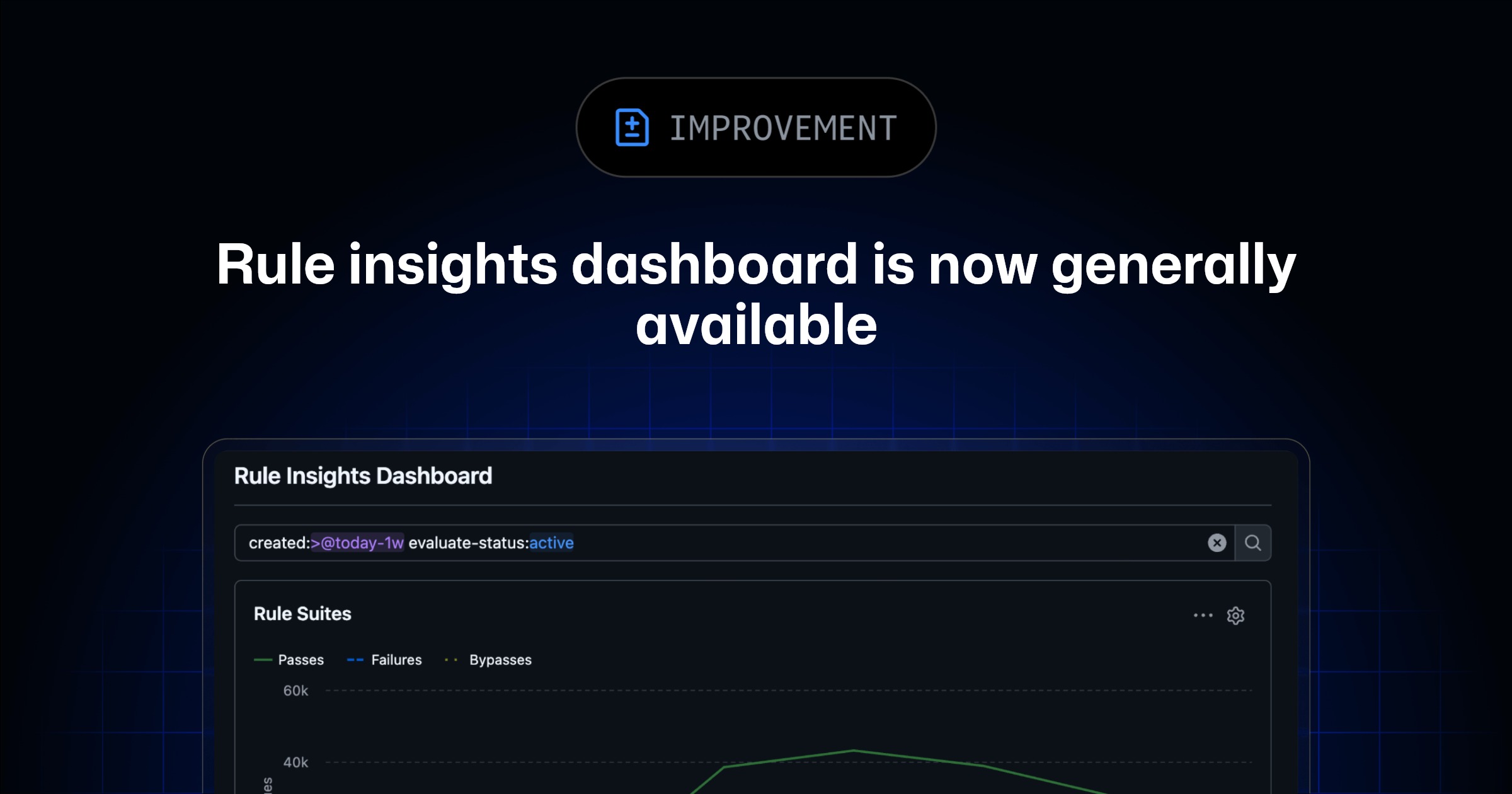
GitHub Rule Insights Dashboard Now Available
GitHub's rule insights dashboard is now generally available, offering a comprehensive view of how repository rulesets are evaluated and enforced. This tool allows users to easily identify trends and report on governance without the need for manual data compilation. The dashboard provides aggregated metrics and identifies top repositories by bypasses, enabling users to focus their reviews effectively. With filtering options for evaluation status, branch, ruleset, and date range, users can conduct detailed analyses. This release empowers governance and compliance teams to efficiently monitor and report on repository activities, making it a valuable asset for organizations prioritizing compliance and governance.
GitHub Changelog
 © GitHub Changelog
Coding Toolscoding
GitHub Copilot App Adds Customize Tab
GitHub has introduced a new Customize tab in its Copilot app, aiming to enhance user experience by integrating MCP servers, plugins, skills, and canvases into a single interface. This update allows users to explore and implement customizations more efficiently, aligning Copilot with their existing workflows and tools. By offering featured customizations and a streamlined browsing experience, GitHub makes it easier for teams to tailor Copilot to their specific needs. This development signifies a step towards more personalized and context-aware coding assistance, potentially increasing productivity for developers.
GitHub Changelog
 © GitHub Changelog
Coding Toolscoding
GitHub Push Rules Now Support Path Exceptions
GitHub has introduced a new feature allowing developers to configure push rules with path exceptions, providing more granular control over repository management. This means that specific file paths can be exempted from general rules, such as blocking certain file types or enforcing size limits, without relaxing the rules for the entire repository. This update is particularly useful for maintaining strict repository standards while accommodating necessary exceptions. The feature is currently in public preview, allowing users to test and provide feedback.
GitHub Changelog