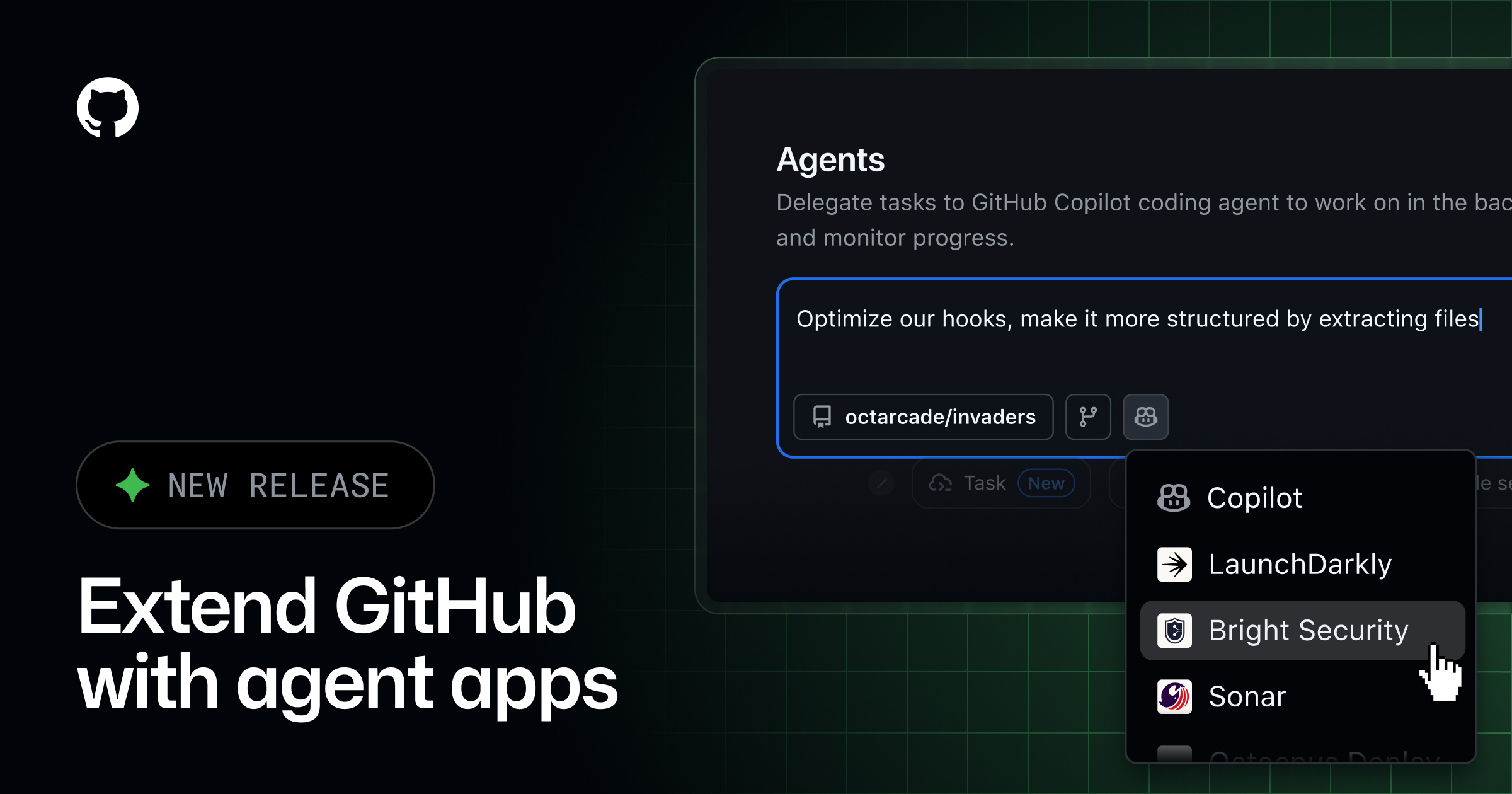
GitHub has launched agent apps, AI-powered tools that integrate seamlessly into its platform, available through the GitHub Marketplace. These apps can be installed like any other GitHub App and are designed to enhance workflow automation by allowing users to assign issues, interact with pull requests, and execute prompts directly within GitHub. This initiative aims to streamline development processes and will soon be open for developers to create their own agent apps. This development marks a significant step in automating and optimizing software project management.
Read original
© GitHub ChangelogGitHub has expanded its Copilot code review capabilities, making agent skills and MCP server integration available to Pro, Business, and Enterprise users. These features allow teams to embed their internal tools and coding standards directly into the code review process, providing more tailored and context-rich reviews. By linking to third-party platforms like issue trackers and documentation systems, Copilot can draw in relevant information to enhance the review process. This update marks a significant advancement in AI-assisted code reviews, offering a more customized and informed approach for development teams using GitHub.
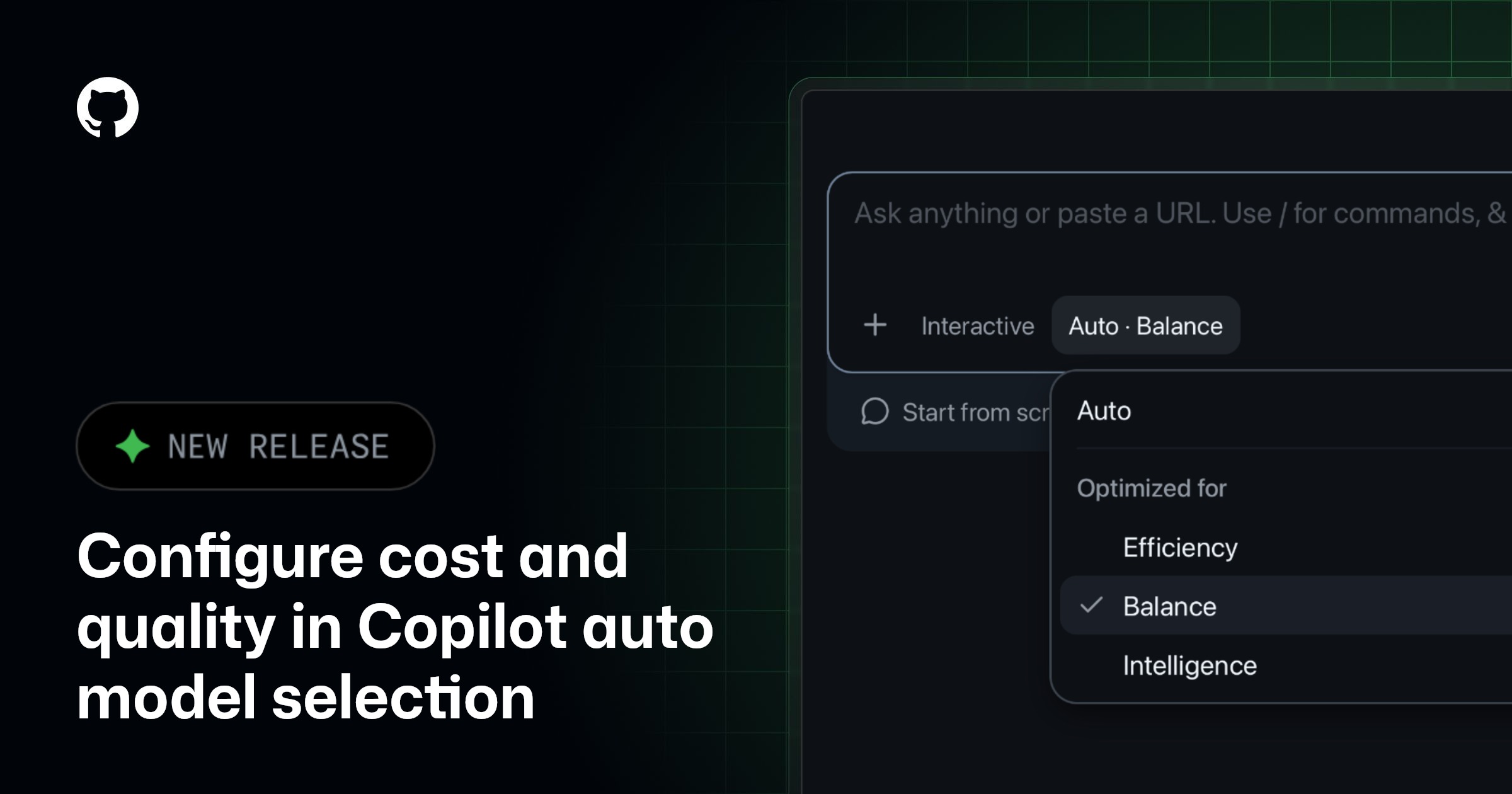
© GitHub ChangelogGitHub is making it easier for Business and Enterprise users to access new Copilot models by implementing a default enablement policy. This change means that new models will automatically be available unless administrators decide to opt out, reducing the need for manual activation. The policy will be effective from August 26, giving organizations a 28-day period to adjust their settings if they prefer manual control. This approach minimizes the administrative workload and ensures users can quickly benefit from the latest AI advancements, while still allowing organizations to maintain oversight by opting out if necessary.
© GitHub ChangelogThe latest update to CodeQL, version 2.26.1, brings significant improvements to the static analysis engine used in GitHub code scanning. This release enhances framework coverage for languages like Go, Java/Kotlin, and JavaScript/TypeScript, while also reducing false positives in Rust analysis. Notably, it introduces better modeling for Go's structured logging and recognizes Angular decorators in JavaScript/TypeScript. These updates mean developers can expect more accurate security issue detection and remediation, making CodeQL a more reliable tool for maintaining secure codebases.
© The Verge AIMeta is gearing up for a significant expansion into personal AI agents, aiming to make them accessible and user-friendly for billions of people. CEO Mark Zuckerberg envisions these agents as tools that can assist with various aspects of life, from health to finances, operating seamlessly out of the box. This move differentiates Meta from competitors like Anthropic and OpenAI, which focus more on coding and enterprise solutions. However, Meta faces challenges, including a lack of ecosystem integration and public trust issues. The company plans to reveal more details soon, positioning personal agents as a cornerstone of its future product and revenue strategy.
© The Verge AIPerplexity has extended its Personal Computer tool to Windows, transforming PCs into AI agents capable of managing local files and applications. This expansion follows the Mac version's release and integrates with Microsoft Office 365 and Teams, allowing seamless operation within the Windows environment. The tool is designed for enterprise use, ensuring that AI can assist with tasks traditionally performed on local machines. Available to Max and Enterprise Max users, it emphasizes data privacy by not training on company data and notifying users before executing sensitive actions.
© MIT Technology Review AIIntel is investigating how agentic AI can revolutionize enterprise workflows, moving beyond the capabilities of traditional chatbots. Through extensive experimentation, Intel demonstrates the necessity of focusing on system-wide performance metrics rather than just inference capabilities. Their research underscores the importance of a robust infrastructure that supports scalable systems and precise task orchestration. By emphasizing agent density and task latency, Intel aims to optimize AI performance in business settings. This transition to agentic AI marks a shift from experimental AI to practical, scalable solutions that enhance productivity and governance within enterprises.