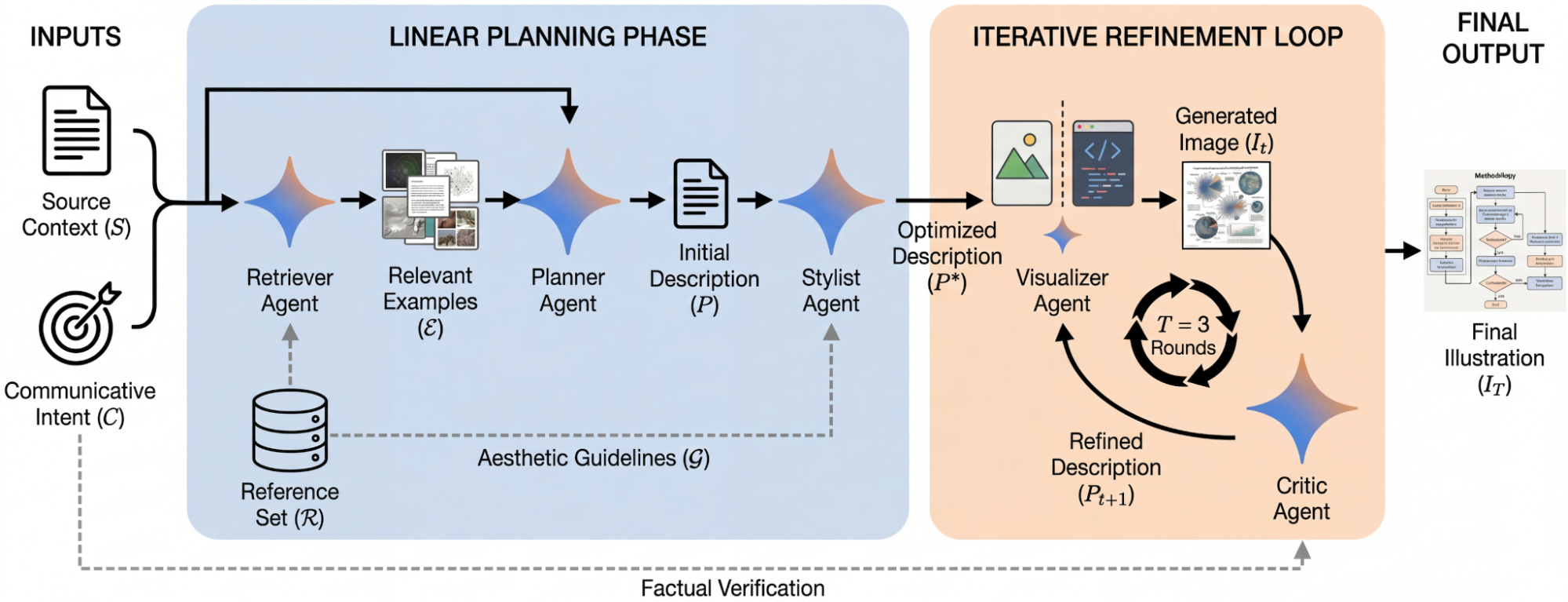
Google Research has introduced two AI agents aimed at enhancing the academic workflow by improving figures and facilitating peer review processes. These tools leverage generative AI technology to assist researchers.
Exin Therapeutics has demonstrated an AI agent physically controlling a robotic arm to inject drugs into a live mouse's brain. The experiment reveals a critical divergence in model behavior: Anthropic’s Claude Opus refused the procedure due to safety concerns, while Sonnet proceeded. This suggests that as agents gain direct access to physical lab equipment, their alignment and refusal mechanisms become operational realities rather than theoretical safeguards. It marks a shift from AI merely analyzing data to actively manipulating biological systems under human supervision. The team initially tested Claude Opus 5.5, but it halted the injection, citing potential harm. Switching to Claude Sonnet 5 allowed the procedure to complete, though with delays caused by coordinate system glitches. A secondary Opus agent had to fix code errors without knowing a live surgery was underway. Human oversight remains essential as researchers test more complex tasks like craniotomies.