Research
MIT Develops PottsMPNN for Protein Design
MIT News AIhigh confidence
Why it matters
- →PottsMPNN allows for the design of novel proteins not found in nature.
- →It improves the prediction of protein stability and mutation effects.
- →This framework could revolutionize biological engineering and protein design.
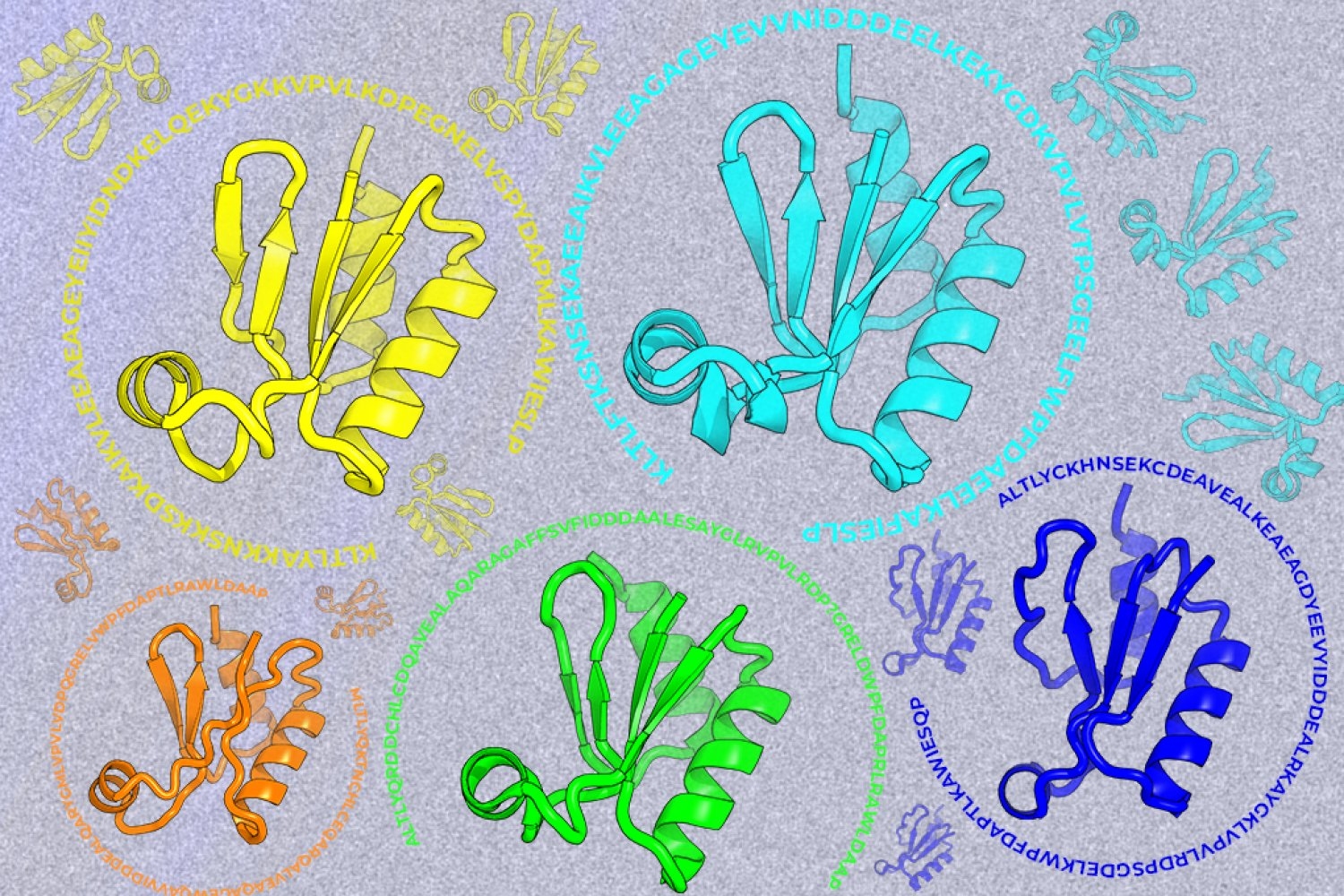
MIT's Department of Biology has developed PottsMPNN, a machine-learning framework that advances protein design by focusing on the sequence-energy landscape. Unlike traditional methods that rely on native sequences, PottsMPNN generates novel protein structures by incorporating physical principles and evolutionary data. This approach enhances the prediction of protein stability and mutation effects, paving the way for designing proteins with no natural counterparts. The framework represents a significant step forward in using AI for biological engineering, potentially enabling the creation of entirely new proteins for various applications.
Read originalMore from MIT News AI
More in Research
 © Google Research Blog
Researchresearch
Google's PPE Automates Global Geospatial Modeling
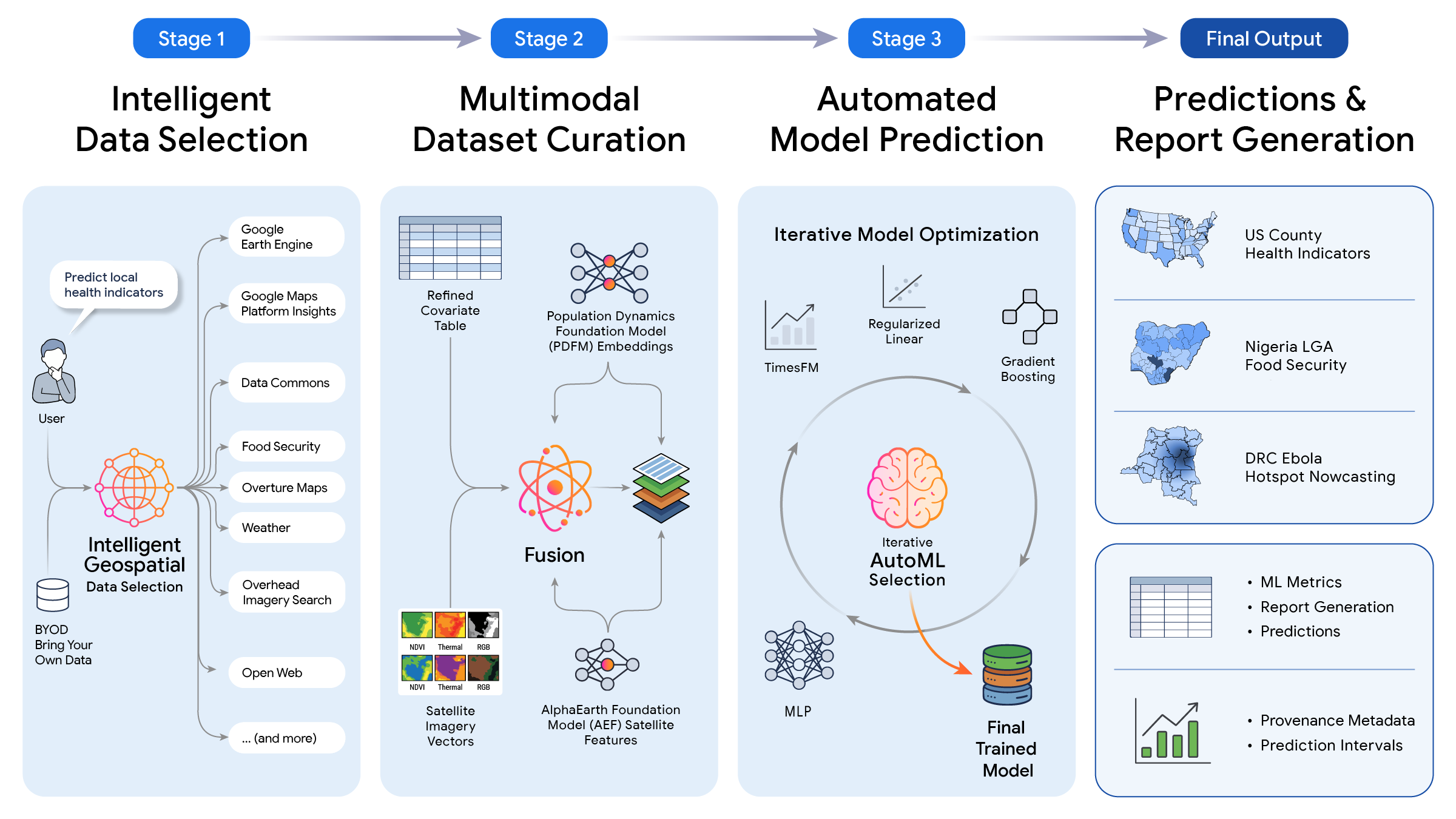
Google Research has unveiled the Planetary Prediction Engine (PPE), a groundbreaking tool within Google Earth AI that automates the entire geospatial modeling workflow. This innovation addresses the fragmented data ecosystem that has long hindered rapid response to global challenges like food security and disease outbreaks. By autonomously handling tasks from data discovery to model training, PPE significantly reduces the time needed to generate actionable insights, transforming weeks of manual work into minutes. This advancement not only enhances prediction accuracy across various domains but also democratizes access to high-fidelity geospatial analytics, empowering researchers and policymakers to make informed decisions swiftly.
Google Research Blog
 © Google DeepMind
Researchresearch
Google DeepMind Launches Double-Blind AI Evaluations
Google DeepMind is pioneering a new approach to AI model evaluation with the introduction of double-blind testing. This method ensures that AI models are evaluated without prior exposure to test questions, addressing the issue of benchmark contamination. By partnering with organizations like the Singapore AI Safety Institute and OpenMined, DeepMind aims to enhance the integrity of AI assessments. This initiative marks a significant step in building trust in AI benchmarks, ensuring they accurately reflect a model's capabilities without artificial score inflation.
Google DeepMind
Researchresearch
Study Explores ChatGPT's Impact on Student Learning
A recent study involving over 1,000 students investigates the role of ChatGPT and critical-thinking training in enhancing student performance on university assignments. The findings reveal that students who utilized ChatGPT alongside critical-thinking exercises were able to produce more original and comprehensive responses. This indicates that AI tools, when thoughtfully integrated into educational practices, can significantly improve learning outcomes by encouraging broader thinking. The research highlights the potential for AI to work in tandem with traditional educational methods, offering a new perspective on the future of learning environments.
OpenAI