Market & Regulation
Snap and Perplexity End $400M AI Deal
TechCrunch AIhigh confidence
Why it matters
- →The termination of the deal highlights challenges in AI integration partnerships.
- →Snap's growth in users suggests resilience despite the deal's collapse.
- →The decision impacts Snap's long-term AI strategy and revenue projections.
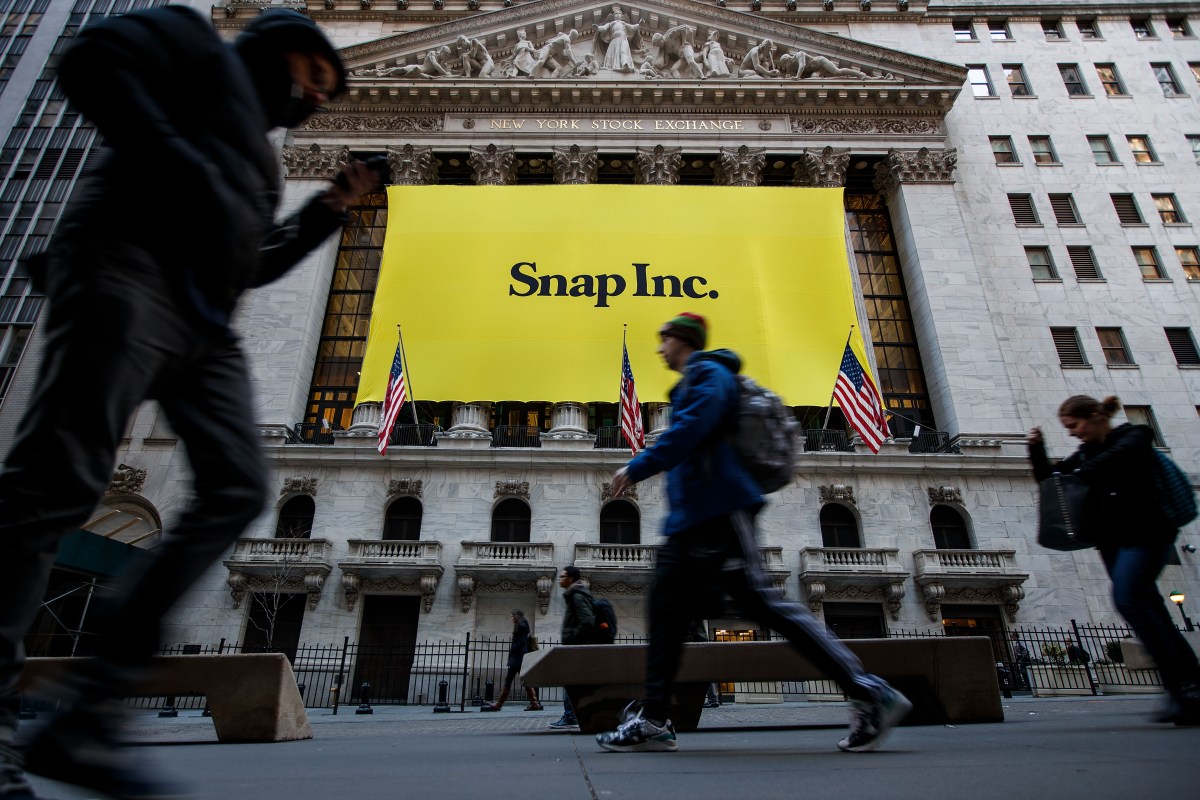
Snap and Perplexity have amicably ended their $400 million deal, which was set to integrate Perplexity's AI search engine into Snapchat. The decision was revealed in Snap's quarterly earnings report, noting that the companies couldn't agree on a broader rollout plan. Initially, the partnership was expected to contribute to Snap's revenue by 2026. Despite this setback, Snap reported a 5% increase in both daily and monthly active users, attributing growth to new app features.
Read originalThe story around this
Earlier coverage that leads up to this article, and what followed. Lines connect each piece to the closest one after it, converging here.
How we got here
- 1Perplexity pivots to personal finance tools
The Rundown AI · April 10, 2026 · Background
What happened next
- 2
More from TechCrunch AI
 © TechCrunch AI
Market & Regulationother
Judge allows NAACP lawsuit over xAI pollution to proceed
xAI's attempt to dismiss the NAACP's Clean Air Act lawsuit failed after a federal judge ruled that its gas turbines are not exempt mobile sources and that plaintiffs have standing. This legal setback confirms that AI infrastructure operators cannot bypass environmental permitting by classifying heavy industrial equipment as temporary or mobile. The ruling forces xAI to face scrutiny over air quality impacts at its Colossus data center, setting a precedent for how large-scale compute facilities are regulated under existing environmental laws.
TechCrunch AI
 © TechCrunch AI


