Coding Tools
llama.cpp b10995 Vulkan and ROCm updates
llama.cpp Releaseshigh confidence
Why it matters
- →Unconditional BN/2 tail logic reduces inference crashes on AMD Vulkan hardware.
- →ROCm 10.0 binaries expand viable GPU options beyond NVIDIA for local LLMs.
- →Maintains broad platform coverage while isolating Apple Silicon KleidiAI issues.
llama.cpp has released version b10995, focusing on Vulkan stability and expanded ROCm support. The update unconditionally enables the BN/2 tail for MUL_MAT_ID operations in Vulkan, removing previous gating logic to prevent inference errors on specific matrix dimensions. Additionally, new binaries for ROCm 10.0 are now available for Linux and Windows, alongside standard CUDA 12/13 and CPU builds. Notably, macOS KleidiAI support is temporarily disabled in this release.
Read originalMore from llama.cpp Releases
Coding Toolscoding
llama.cpp b10993 adds ROCm 10 and CUDA 13 builds
This release quietly extends llama.cpp's hardware support to the latest driver stacks, adding official binaries for ROCm 10.0 and CUDA 13 across Linux and Windows. For AMD users, this means native compatibility with newer GPU architectures without manual compilation tweaks, while NVIDIA users gain access to the latest CUDA runtime optimizations. The inclusion of WebGPU in CI signals ongoing work toward browser-based inference, though it remains a background effort for now. There are no new model formats or quantization methods here, just broader infrastructure coverage that keeps llama.cpp relevant as hardware evolves.
llama.cpp Releases
Coding Toolscoding
llama.cpp fixes Metal NaN bug for large activations
A critical precision bug in llama.cpp’s Apple Silicon backend has been patched, resolving total inference failures on models with high-activation ranges like Mistral Small 4. The issue stemmed from f16 saturation during matrix multiplication, which turned entire output tensors into NaN values for inputs exceeding ~32 tokens. By implementing an exact, power-of-two rescaling mechanism in the Metal kernel, the fix restores correctness without significant performance penalties. This ensures local inference on M-series chips remains viable for complex MoE architectures that previously crashed.
llama.cpp Releases
Models & Labscoding
llama.cpp b10996 adds CUDA 13 and ROCm 10.0 builds
This release quietly closes the hardware gap for local inference by adding native support for CUDA 13 and ROCm 10.0 across Linux and Windows. NVIDIA users can now leverage newer driver stacks without waiting for upstream updates, while AMD GPU owners finally get first-class ROCm 10 binaries that match the maturity of their CUDA counterparts. Apple Silicon builds remain available but KleidiAI is explicitly disabled here, suggesting a focus on stability over new kernel optimizations for this specific iteration. The inclusion of openEuler support for Huawei's Ascend chips further broadens the ecosystem beyond standard x86 and ARM consumer hardware.
llama.cpp Releases
More in Coding Tools
Coding Toolscoding
vLLM v0.29.0rc6 fixes hybrid model caching
This release candidate addresses a critical configuration gap for hybrid models in vLLM by enabling the dense prefix cache by default. Previously, these mixed-precision or multi-head architectures likely suffered from inefficient memory usage or required manual flags to achieve optimal performance. By automating this optimization, the update ensures that users running complex model topologies get better throughput out of the box without tweaking internal parameters. It is a quiet but necessary step toward making vLLM robust for heterogeneous hardware setups.
vLLM Releases
 © GitHub Changelog
Coding Toolscoding
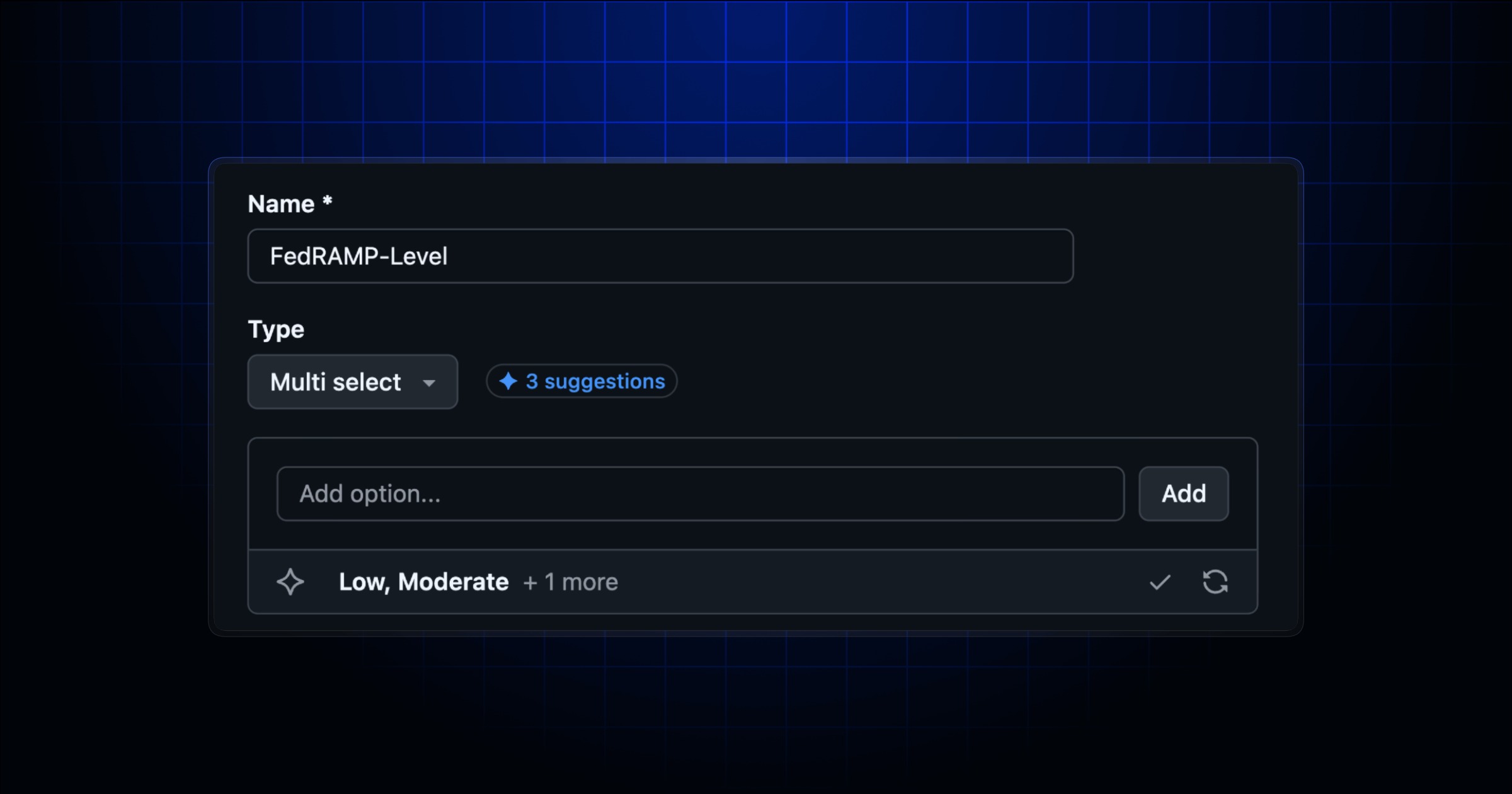
GitHub Copilot Enhances Custom Property Suggestions
GitHub Copilot is now assisting enterprise and organization admins by suggesting allowed values for custom properties in repositories. This feature, available in public preview for Copilot Business and Enterprise plans, tackles the issue of inconsistent metadata by offering relevant suggestions tailored to the property being defined. For example, when setting up a property like 'FedRAMP', Copilot proposes compliance-related values, making it easier to establish a consistent governance framework. This development accelerates the creation of custom property taxonomies, improving the application of governance rules across extensive repository collections.
GitHub Changelog
Coding Toolscoding
Claude Code v2.1.261 Update Released
The latest update to Claude Code, version 2.1.261, introduces several enhancements and fixes aimed at improving user experience and functionality. Notable changes include the addition of settings to increase command output limits and a new feature to identify unused skills, helping users optimize their setups. The update also addresses various bugs, such as character input issues and session management glitches, ensuring smoother operation across different environments. These improvements make Claude Code more robust and user-friendly, particularly for developers using it in complex workflows.
Claude Code Releases