16 × AIAI signal, amplified
AI newsAboutSources
TelegramFollow on Telegram
AI newsAboutSources
16 × AIAI signal, amplified

An AI news engine that ingests trusted sources, scores with Claude, and posts only what clears the bar.

Follow on Telegram →

Subscribe

  • Telegram
  • RSS
  • All channels

Legal

  • Privacy
  • Imprint
© 2026 16 × AI. All rights reserved.Curated by Claude. Posts every 6 hours. No newsletter, no funnel.
Home/Market & Regulation
Market & Regulation

Sixteen startups join MIT.nano's START.nano program

MIT News AI·April 7, 2026·high confidence

Why it matters

  • →This initiative provides AI practitioners with insights into how academic resources can facilitate the commercialization of technology.
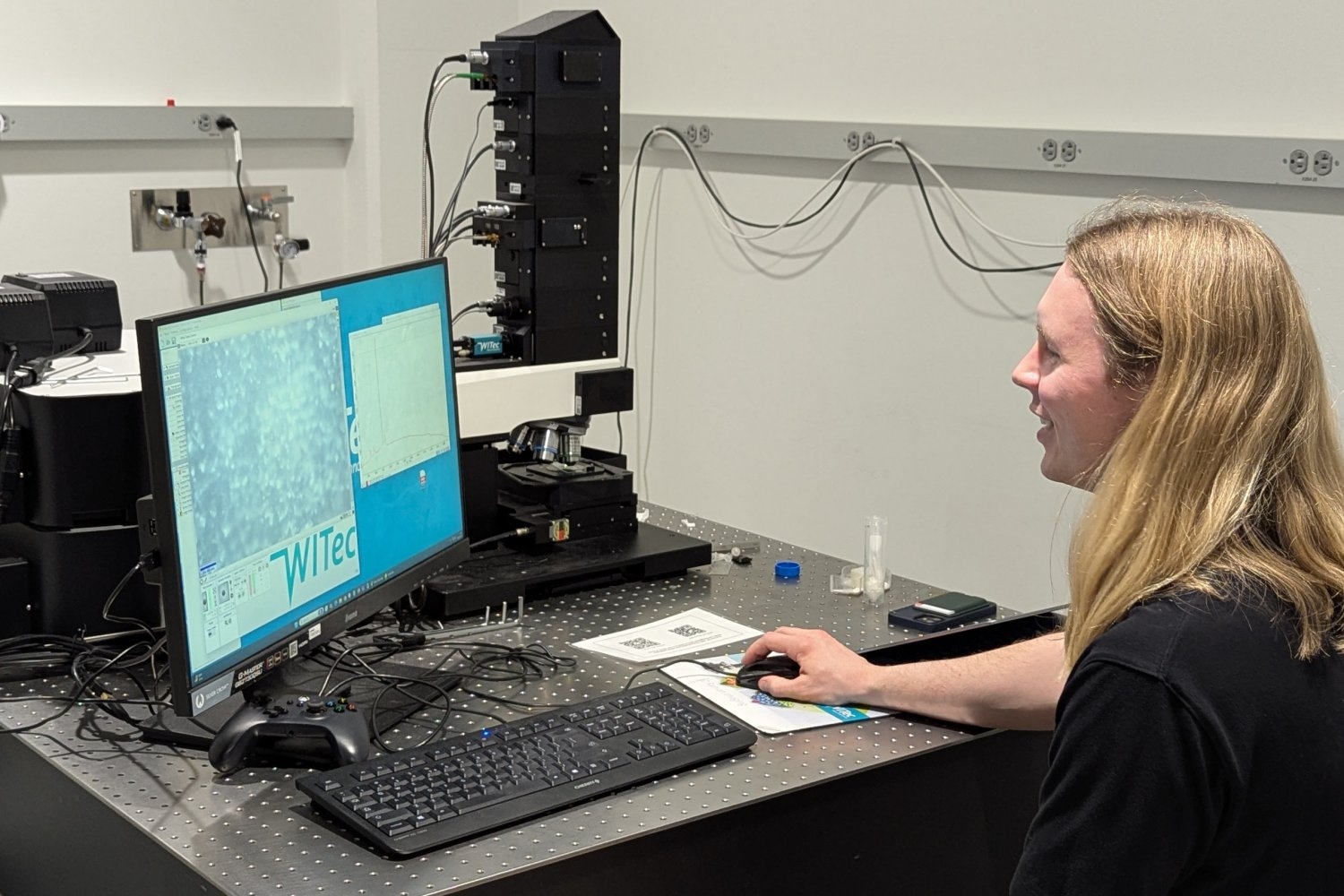
Sixteen startups join MIT.nano's START.nano program
©MIT News AI

MIT.nano has welcomed 16 new startups into its START.nano program in 2025, significantly increasing participation from the previous year. The program aims to accelerate hard-tech innovations in various fields, including health and quantum computing.

Read original

More from MIT News AI

MIT Researchers Enhance Random Utility Models© MIT News AI
Researchresearch

MIT Researchers Enhance Random Utility Models

MIT researchers have uncovered a significant improvement in Random Utility Models (RUMs) by demonstrating that considering three alternatives instead of two can reveal correlations in preferences. This breakthrough challenges the traditional pairwise comparison method, which fails to capture the interconnectedness of choices. By using a best-of-three approach, the team has developed algorithms that efficiently extract preference information, offering a more accurate prediction model. This advancement is crucial for improving AI models and their commercial applications, particularly in areas like large language models and digital platforms.

MIT News AI·Jun 11, 2026

More in Market & Regulation

Anthropic Suspends AI Model Access Amid U.S. Directive© TechCrunch AI
Market & Regulationbusiness

Anthropic Suspends AI Model Access Amid U.S. Directive

Anthropic's suspension of access to its latest AI models, Fable 5 and Mythos 5, due to a U.S. government directive, has sparked a significant debate in India about its reliance on foreign AI technologies. This decision follows closely on the heels of Anthropic's partnership with Tata Consultancy Services, emphasizing India's deep integration with U.S.-developed AI systems. The move has prompted Indian tech leaders to reconsider the nation's AI strategy, with increased calls for investment in domestic AI capabilities and open-source alternatives. This incident highlights the geopolitical complexities that influence access to advanced AI technologies and raises questions about India's technological independence.

TechCrunch AI·Jun 14, 2026
Amazon Research Spurs White House Ban on Anthropic Fable© The Verge AI
Market & Regulationbusiness

Amazon Research Spurs White House Ban on Anthropic Fable

Amazon's cybersecurity research has reportedly driven the White House to restrict access to Anthropic's Fable 5 and Mythos 5 models. The findings suggested these models could be manipulated to provide information useful for cyberattacks, leading to discussions between Amazon CEO Andy Jassy and government officials. This decision has significant implications, as it prevents foreign nationals, including some of Anthropic's own researchers, from accessing these AI models. The situation underscores ongoing tensions between Anthropic and the U.S. government, particularly regarding the use of AI for surveillance and military purposes.

The Verge AI·Jun 13, 2026
KPMG Withdraws AI Report Over Inaccuracies© TechCrunch AI
Market & Regulationbusiness

KPMG Withdraws AI Report Over Inaccuracies

KPMG has pulled a report on AI usage after several organizations challenged its accuracy, attributing the errors to AI hallucinations. The report falsely represented AI practices at companies like UBS and the UK's NHS, raising concerns about the reliability of AI-generated content. This situation reveals the pitfalls of using AI without adequate human validation, especially in professional documents. As AI tools become more integrated into content creation, ensuring their outputs are accurate and trustworthy is vital to maintaining professional integrity.

TechCrunch AI·Jun 13, 2026