Market & Regulation
AI Boosts Aluminum Recycling Amid Price Surge
TechCrunch AIhigh confidence
Why it matters
- →AI can significantly improve the efficiency of aluminum recycling processes.
- →Enhanced sorting accuracy increases profitability for recycling startups.
- →These technologies could help meet domestic aluminum demand amid global supply challenges.
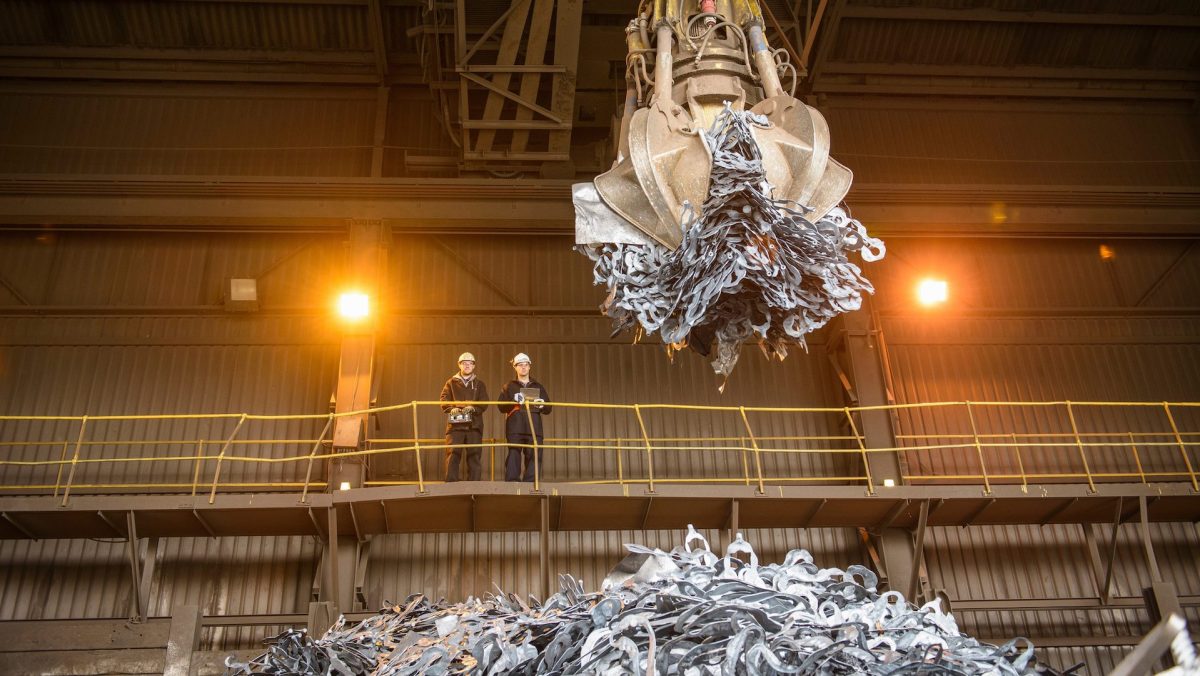
Recycling startups are turning to AI to capitalize on rising aluminum prices, driven by geopolitical tensions affecting global supply. Sortera has expanded its operations with a new facility in Tennessee, doubling its capacity to process aluminum scrap using AI-driven sorting technology. Amp employs a similar AI-powered system to enhance material recovery accuracy, achieving over 90% success in identifying and sorting aluminum. These advancements could significantly boost domestic aluminum recycling, addressing a critical mineral demand in the U.S. economy.
Read originalThe story around this
Earlier coverage that leads up to this article, and what followed. Lines connect each piece to the closest one after it, converging here.
How we got here
- 1Startups Using AI for Material Discovery
Sifted · April 30, 2026 · Background
What happened next
- 2MIT Spinout Turns Plastic Waste into Building Materials
MIT News AI · September 14, 2026 · Background
More from TechCrunch AI
 © TechCrunch AI
Market & Regulationother
Judge allows NAACP lawsuit over xAI pollution to proceed
xAI's attempt to dismiss the NAACP's Clean Air Act lawsuit failed after a federal judge ruled that its gas turbines are not exempt mobile sources and that plaintiffs have standing. This legal setback confirms that AI infrastructure operators cannot bypass environmental permitting by classifying heavy industrial equipment as temporary or mobile. The ruling forces xAI to face scrutiny over air quality impacts at its Colossus data center, setting a precedent for how large-scale compute facilities are regulated under existing environmental laws.
TechCrunch AI
 © TechCrunch AI


