Coding Tools
GitHub Adds Code Quality Trends Dashboard
GitHub Changeloghigh confidence
Why it matters
- →Provides a dynamic view of code quality trends over time.
- →Helps organizations identify repositories that need attention or are improving.
- →Enhances strategic management of code quality across projects.
GitHub has launched a Trends tab in its Code Quality dashboard for organizations, enabling users to monitor code quality changes over time. This feature, available to GitHub Enterprise Cloud and Team plan users, provides insights into whether open findings are trending up or down and identifies repositories driving these changes. The tool ranks repositories by improvement or need for support, helping teams focus their efforts effectively. This update is not available on GitHub Enterprise Server, emphasizing GitHub's commitment to enhancing code quality management for cloud users.
Read originalMore from GitHub Changelog
 © GitHub Changelog
Coding Toolscoding
CodeQL 2.26.3 Enhances GitHub Actions and JavaScript Modeling
The latest update to CodeQL, version 2.26.3, brings significant improvements to GitHub Actions queries and JavaScript modeling. By refining the recognition of untrusted data in GitHub Actions and enhancing JavaScript and TypeScript source modeling, this update aims to improve the accuracy of security scans. Notably, it introduces flow models for Vue's Composition API and recognizes Vue Router's useRoute() as a client-side remote flow source. These enhancements are designed to help developers more effectively identify and address security vulnerabilities in their codebases.
GitHub Changelog
 © GitHub Changelog
Coding Toolscoding
GitHub Copilot Adds Enterprise Controls for JetBrains
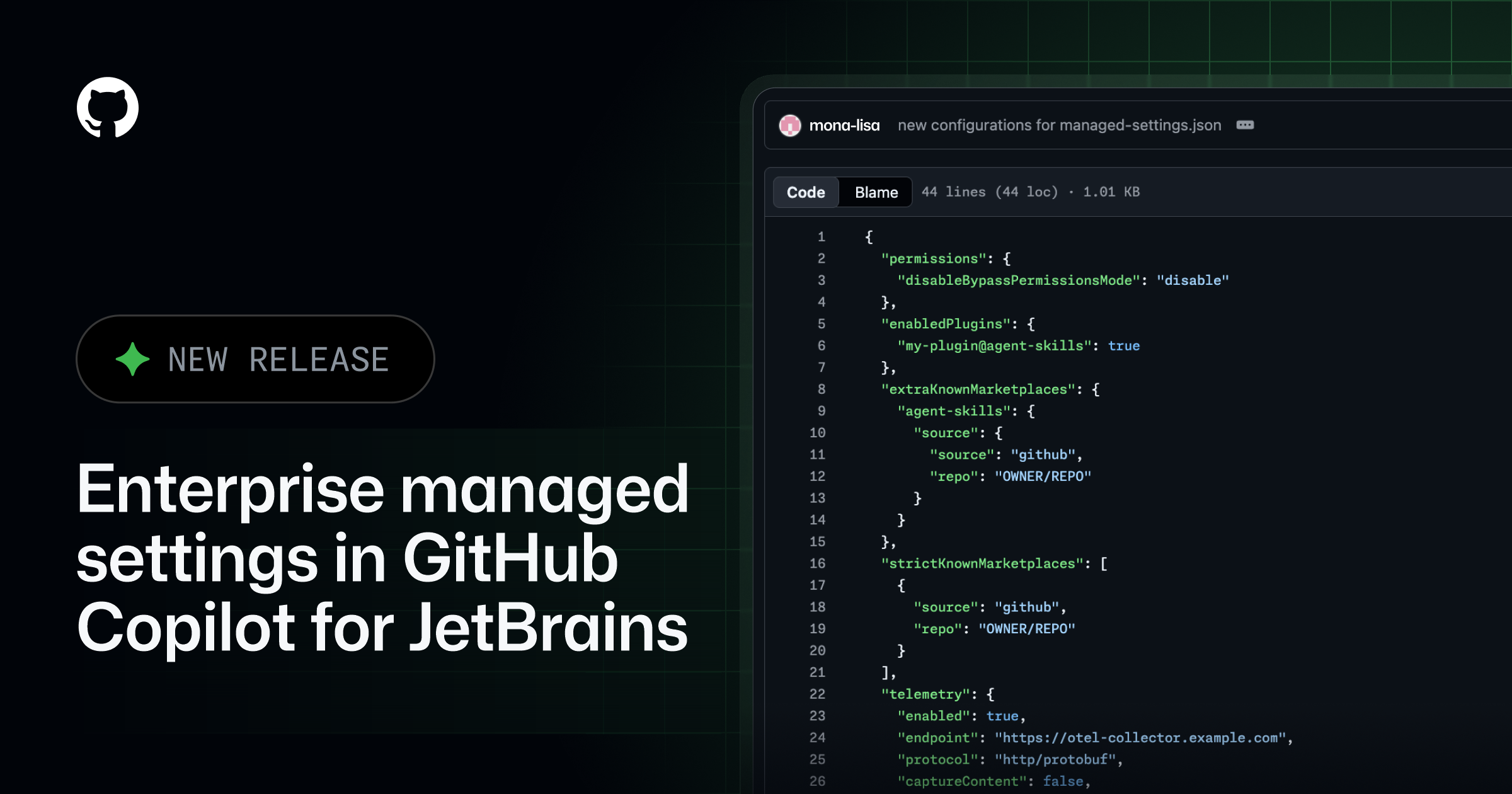
GitHub Copilot for JetBrains now offers enterprise-level managed settings, allowing administrators to enforce consistent plugin governance and server access across their organizations. This update introduces centralized control over which plugins can be enabled or disabled, and restricts marketplace access to approved sources only. Additionally, administrators can manage OpenTelemetry configurations to ensure telemetry data is routed to designated collectors, enhancing data governance. These features provide enterprises with greater control over their development environments, ensuring compliance and security standards are met.
GitHub Changelog
 © GitHub Changelog
Coding Toolscoding
GitHub Enhances Credential Revocation Controls
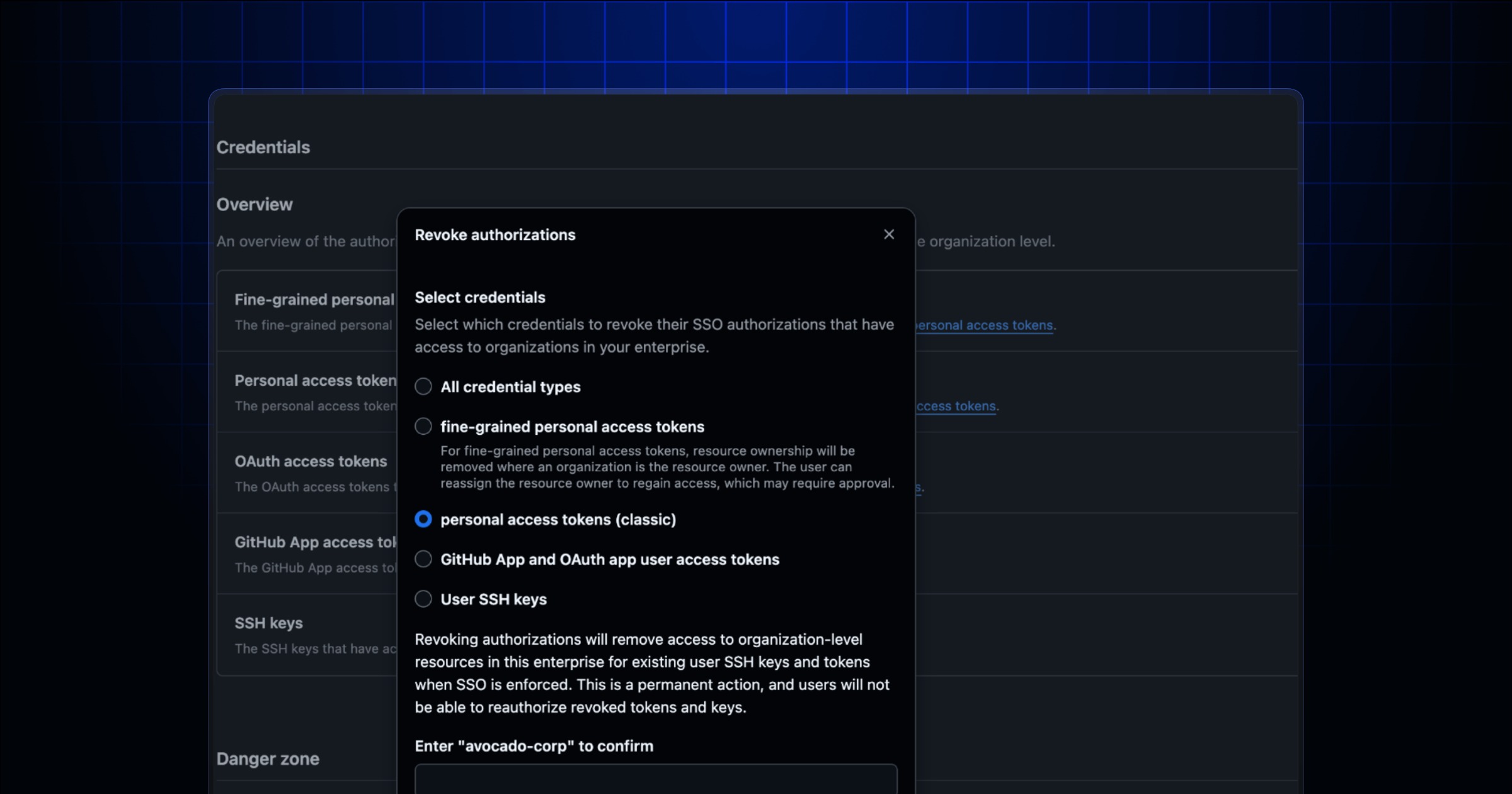
GitHub has introduced more granular controls for credential revocation, allowing enterprise owners and admins to revoke specific types of tokens during security incidents. This update means that instead of revoking all user credentials at once, administrators can now target specific credential types like personal access tokens or SSH keys. This refinement helps contain security breaches more effectively by limiting the impact to only compromised credentials. The update also extends these capabilities to the organization level, providing a more flexible and precise response to security threats.
GitHub Changelog
More in Coding Tools
Coding Toolscoding
Claude Code v2.1.229 Release Enhances Stability
Claude Code's latest update, version 2.1.229, brings a focus on enhancing stability and user experience for developers. The release introduces server-supplied Claude Code hook support for self-hosted runner sessions, aligning them with managed environments. SSE keepalive pings have been added to prevent idle-timeout disconnects during long pauses. A new plugin marketplace command allows for seamless plugin integration without requiring a restart. The update also addresses numerous bugs, such as terminal crashes and API errors, making the platform more robust. These improvements reflect Claude Code's dedication to refining its tools and providing a smoother coding experience.
Claude Code Releases
Coding Toolscoding
Claude Code v2.1.234 Update Released
Claude Code's latest update, v2.1.234, introduces several enhancements and fixes that improve user experience and security. Notably, it adds a new environment variable for project directory naming and a keybinding action for clearing text selections. The update also addresses security concerns by rejecting certain Windows NT-namespace paths, reducing the risk of credential leaks. Additionally, it improves session management by automatically continuing sessions when usage limits reset and refining permission handling. These changes make Claude Code more robust and user-friendly, particularly for developers managing complex projects.
Claude Code Releases
Coding Toolscoding
Claude Code v2.1.235 Update Released
The latest Claude Code update, version 2.1.235, brings a range of enhancements designed to improve both functionality and user experience. A new spellcheck feature now underlines misspelled words in real-time, utilizing libraries such as aspell and hunspell. This version also resolves several bugs, including issues with prompt input highlights and markdown list alignment, ensuring smoother operation. Additionally, memory and CPU usage have been optimized during cloud sessions, making the tool more efficient for developers. These updates collectively make Claude Code a more robust and reliable tool for handling complex prompts and sessions.
Claude Code Releases