Market & Regulation
AT&T Shifts Queries to Open Models
The AI Daily Briefhigh confidence
Why it matters
- →Demonstrates a major enterprise's shift towards open-source AI solutions.
- →Highlights the flexibility and cost benefits of open models.
- →Could influence other companies to adopt similar strategies.
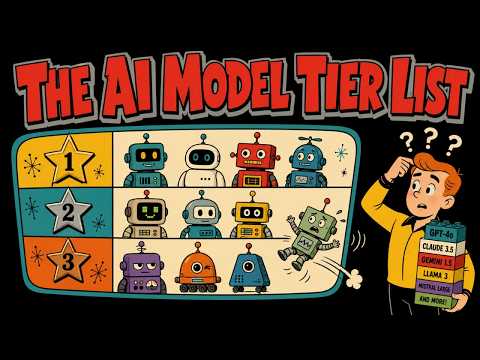
AT&T has announced a strategic shift in its AI operations by transitioning most of its queries to open models. This move reflects a growing trend among enterprises to leverage open-source AI solutions for greater flexibility and cost-effectiveness. By adopting open models, AT&T aims to enhance its AI capabilities while reducing dependency on proprietary systems.
Read originalMore from The AI Daily Brief
 © The AI Daily Brief
Agentsproductivity
Perplexity's Local Computer-Use Agent
Perplexity has introduced a local computer-use agent, enhancing user interaction with AI on personal devices.
The AI Daily Brief
© The AI Daily BriefGeneral AIproductivity
Apple's AI-Focused Mac Minis
Apple is developing AI-focused Mac Minis, enhancing computing capabilities for AI applications.
The AI Daily Brief
© The AI Daily BriefMarket & Regulationbusiness
Anthropic Proposes $30 Trillion AI Market
Anthropic has proposed a $30 trillion market potential for AI, indicating massive growth opportunities.
The AI Daily Brief
More in Market & Regulation
 © TechCrunch AI
Market & Regulationbusiness
Caterpillar Leverages AI for Industrial Automation
Caterpillar is leveraging its extensive experience in automating mining operations to deploy AI across more dynamic environments like construction sites and quarries. The company has developed tools such as the Cat AI Assistant, which aids technicians with voice-activated repair procedures, drawing on data from 1.6 million connected assets. This move is part of a broader strategy to integrate AI into its operations, including site scanning and digital twin creation. As Caterpillar transitions to more autonomous systems, it faces the challenge of training its workforce, with a $100 million investment planned over five years to upskill employees in AI and robotics.
TechCrunch AI
 © TechCrunch AI
Market & Regulationbusiness
Sony, Warner Sue Anthropic Over IP Theft Allegations
Sony Music Publishing and Warner Chappell have filed a lawsuit against AI lab Anthropic, accusing it of illegally using copyrighted music to train its AI model, Claude. The lawsuit claims Anthropic engaged in unauthorized torrenting and downloading of copyrighted works, a charge Anthropic denies and plans to contest in court. This legal action follows a similar case where Anthropic was ordered to pay $1.5 billion for acquiring content through piracy. The outcome of this lawsuit could have significant implications for how AI companies source training data, especially in the creative industries.
TechCrunch AI
 © The Verge AI
Market & Regulationbusiness
Sony and Warner Sue Anthropic for Copyright Infringement
Sony Music Publishing and Warner Chappell have taken legal action against Anthropic, accusing the AI firm of extensive copyright violations. Filed in California, the lawsuit seeks substantial damages for the alleged unauthorized use of copyrighted works in training Anthropic's AI models, potentially reaching billions of dollars. This legal move underscores the ongoing conflict between AI developers and content creators over intellectual property rights. A successful outcome for the plaintiffs could establish new standards for how AI companies incorporate copyrighted material into their training datasets.
The Verge AI