Agents
NVIDIA Advances AI Agents in Telecom Operations
NVIDIA Bloghigh confidence
Why it matters
- →AI agents can autonomously manage telecom networks, reducing human intervention.
- →Synthetic data allows for safe training of AI models without compromising sensitive information.
- →Accelerated simulations enable real-time validation of network changes, enhancing reliability.
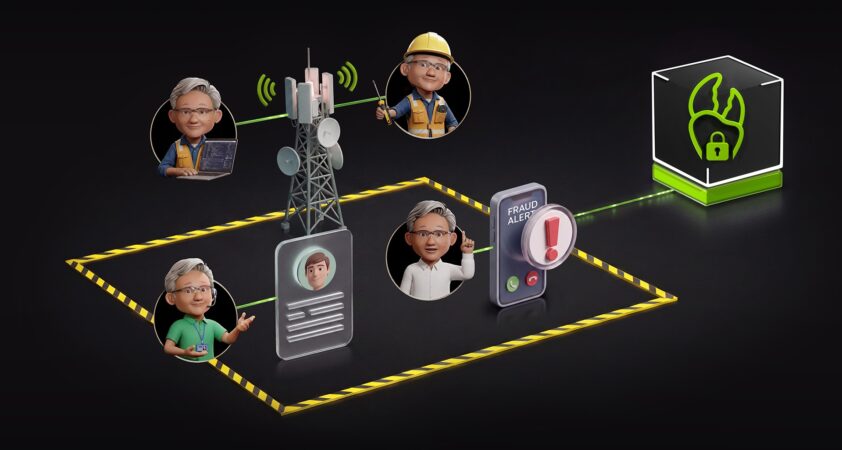
NVIDIA is enhancing telecom operations with AI agents designed to automate and autonomize network management. By using synthetic data and secure runtimes, these agents can safely operate across telecom systems, as demonstrated by partnerships with SoftBank and Amdocs. The initiative includes accelerated simulation environments for real-time validation, crucial for autonomous network operations. This development represents a move towards more resilient and efficient telecom networks, providing operators with tools to manage networks autonomously.
Read originalMore from NVIDIA Blog
More in Agents
Agentsagents
Fyxer Develops Trusted AI Executive Assistant
Fyxer has crafted an AI executive assistant that stands out by leveraging OpenAI models, fine-tuning, and user feedback to deliver personalized email management. By integrating memory and adapting to each user's unique voice, Fyxer aims to streamline inbox organization and email drafting. This approach not only enhances productivity but also builds trust with users who see their communication style reflected in the AI's output. The development signifies a step forward in creating AI tools that are both effective and personalized, offering a glimpse into the future of AI-driven personal assistance.
OpenAI
 © TechCrunch AI
Agentsagents