Coding Tools
llama.cpp b11020 adds DeepSeek V3.2/V4 parser support
llama.cpp Releaseshigh confidence
Why it matters
- →Fixes parsing errors for DeepSeek V3.2/V4 models in local inference.
- →Updates CUDA and ROCm binaries to latest versions for better hardware support.
- →KleidiAI remains disabled on Apple Silicon, limiting Mac performance gains.
llama.cpp has released version b11020, primarily addressing compatibility with DeepSeek V3.2 and V4 models by adding required message delimiters to the chat parser. The build includes updated binaries for CUDA 13.3 and 13.4, as well as ROCm 10.0 support across Linux and Windows platforms. However, KleidiAI acceleration on Apple Silicon is disabled in this release, and openEuler builds are also marked as disabled. This update ensures functional chat interactions with newer DeepSeek variants while maintaining broad hardware compatibility.
Read originalMore from llama.cpp Releases
Coding Toolscoding
llama.cpp b11017 adds CUDA 13 and ROCm 10 builds
This release quietly extends llama.cpp's hardware support to the latest NVIDIA and AMD stacks. By shipping native binaries for CUDA 13 and ROCm 10, it ensures compatibility with newer GPU architectures without requiring users to compile from source. The inclusion of both CUDA versions side-by-side is a pragmatic move for enterprise environments managing mixed infrastructure. While no new model formats are introduced, this update keeps the runtime relevant as hardware vendors push their latest drivers.
llama.cpp Releases
Coding Toolscoding
llama.cpp b11018 adds CUDA 13 and ROCm 10 builds
This release quietly cements llama.cpp as the universal inference runtime by finally supporting NVIDIA's latest CUDA 13 stack alongside AMD's ROCm 10. For the first time, users on cutting-edge hardware can run local models without being forced into legacy driver versions or waiting for vendor-specific optimizations. The inclusion of both CUDA 12 and 13 binaries side-by-side removes a major friction point for developers managing mixed environments. While no new model architectures are added, this infrastructure update ensures compatibility with the fastest consumer and data center GPUs hitting the market right now.
llama.cpp Releases
Coding Toolscoding
llama.cpp b11019 fixes embedded GGUF loading bugs
This release patches a subtle but critical bug where embedding a GGUF file inside another container caused tensor data corruption due to misaligned memory mapping. The fix ensures the data section is aligned relative to the GGUF header rather than the outer file offset, preventing silent errors that could ruin inference results. It also adds support for loading LoRA adapters via FILE pointers and disables mmap with a warning when alignment issues are detected. This stabilizes llama.cpp for complex packaging scenarios where models are bundled within larger archives or custom formats.
llama.cpp Releases
More in Coding Tools
Coding Toolscoding
Claude Code v2.1.275 patches stability and sync
This release stabilizes Claude Code by fixing crashes that occurred when resuming sessions with malformed transcripts or memory files. It also improves the developer experience by syncing skills and plugins from your claude.ai account to terminal sessions, ensuring consistency across environments. Security is tightened by preventing install scripts from running on npm-sourced plugins, while usability sees gains in artifact publishing and image handling. The update addresses critical edge cases that previously broke workflows, making the tool more reliable for daily use.
Claude Code Releases
Coding Toolscoding
Claude Code v2.1.276 fixes proxy regression
Anthropic quietly patched a critical regression in Claude Code that broke all API requests for users routing traffic through proxies or gateways. The issue stemmed from an invalid input tag 'advisor_20260301' introduced in the previous version, effectively locking out enterprise and custom infrastructure setups. This fix restores basic functionality for developers who cannot connect directly to Anthropic's endpoints, highlighting the fragility of recent CLI updates.
Claude Code Releases
 © GitHub Changelog
Coding Toolscoding
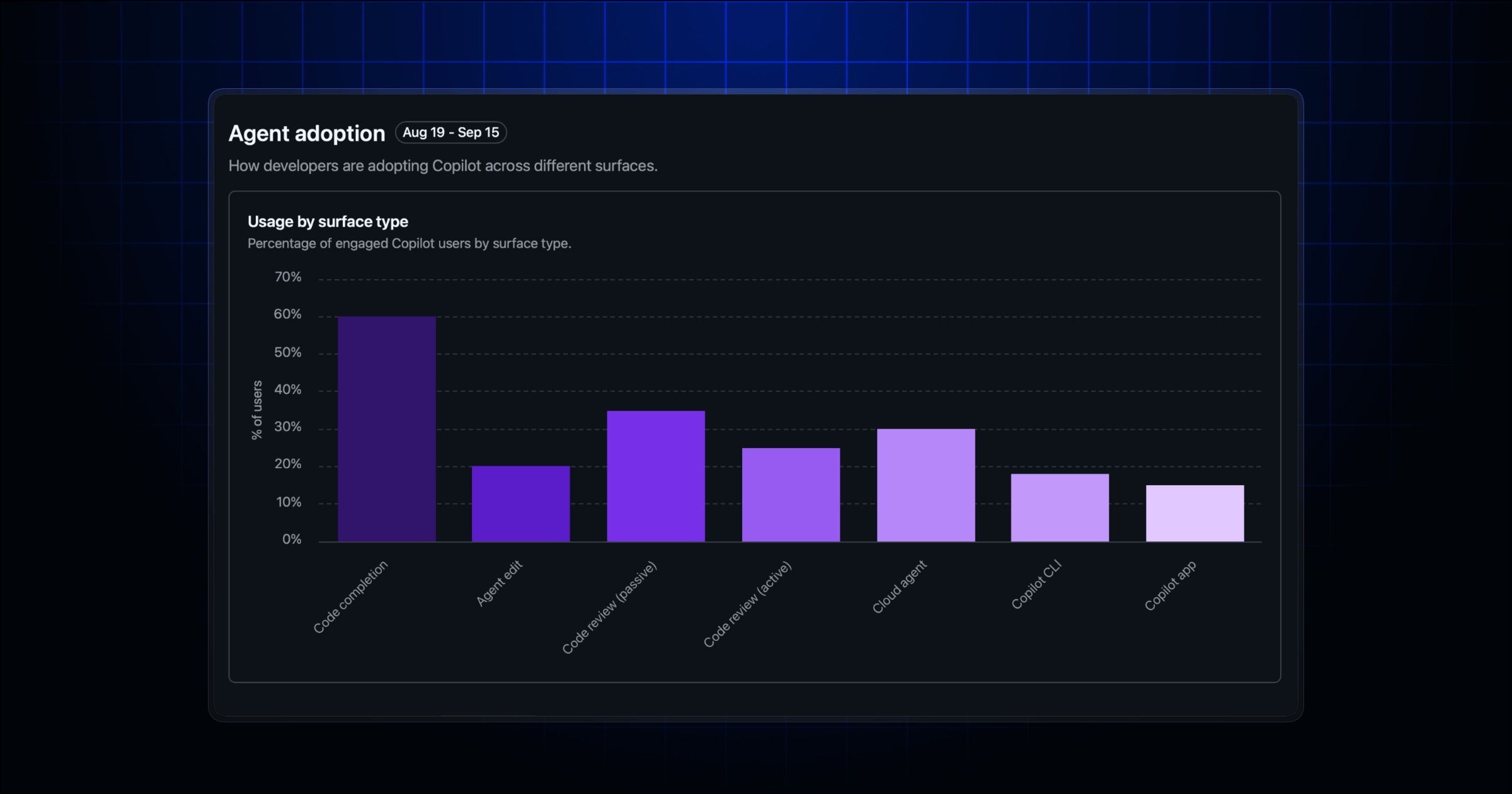
GitHub Copilot adds feature-level engagement metrics
GitHub is finally giving enterprise admins the granular data needed to measure actual AI adoption rather than just license utilization. The new dashboard and API breakdowns distinguish between passive code reviews triggered automatically and active agent edits or CLI usage, revealing which tools developers actually integrate into their daily workflows. By tracking rolling 28-day populations per adoption phase, organizations can now pinpoint exactly where training is needed instead of guessing based on broad engagement numbers. This shift from counting seats to measuring specific feature interaction marks a maturation in how AI productivity is quantified at scale.
GitHub Changelog