Coding Tools
Codex Turns Creations Into Live Websites
Matt Wolfehigh confidence
Why it matters
- →Facilitates easy website creation.
- →Enhances content sharing capabilities.
- →Broadens accessibility for non-technical users.

ChatGPT Codex has added a feature that allows users to transform their creations into live, shareable websites. This new capability simplifies the process of publishing and sharing digital content, making it accessible to a broader audience. Users can access this feature on both free and paid plans, although free accounts may face usage limitations.
Read originalMore from Matt Wolfe
 © Matt Wolfe
General AIwriting
Hank Green Uses AI for Research, Not Script Writing
Hank Green clarified he uses AI to find research papers, not to write scripts.
Matt Wolfe
© Matt WolfeCoding Toolscoding
Control Computer Work from Phone with Codex
Codex now allows users to control computer tasks directly from their phones.
Matt Wolfe
© Matt WolfeCoding Toolscoding
ChatGPT Codex Enables Social Media Browsing Without API
ChatGPT Codex can now browse social media platforms without needing an API.
Matt Wolfe
More in Coding Tools
Coding Toolscoding
Claude Code v2.1.233 Release
The latest update to Claude Code, version 2.1.233, brings significant improvements and fixes that enhance both functionality and reliability. With the addition of GitLab merge request URL support and opt-in memory cgroup support for Linux, developers can expect smoother operations and reduced risk of session stalls. The update also resolves issues such as cloud sessions being incorrectly marked as lost and idle sessions consuming excessive CPU resources. These enhancements make Claude Code more robust and efficient, particularly for developers working with complex projects. Overall, this release aims to streamline the development process and improve user experience.
Claude Code Releases
 © GitHub Changelog
Coding Toolscoding
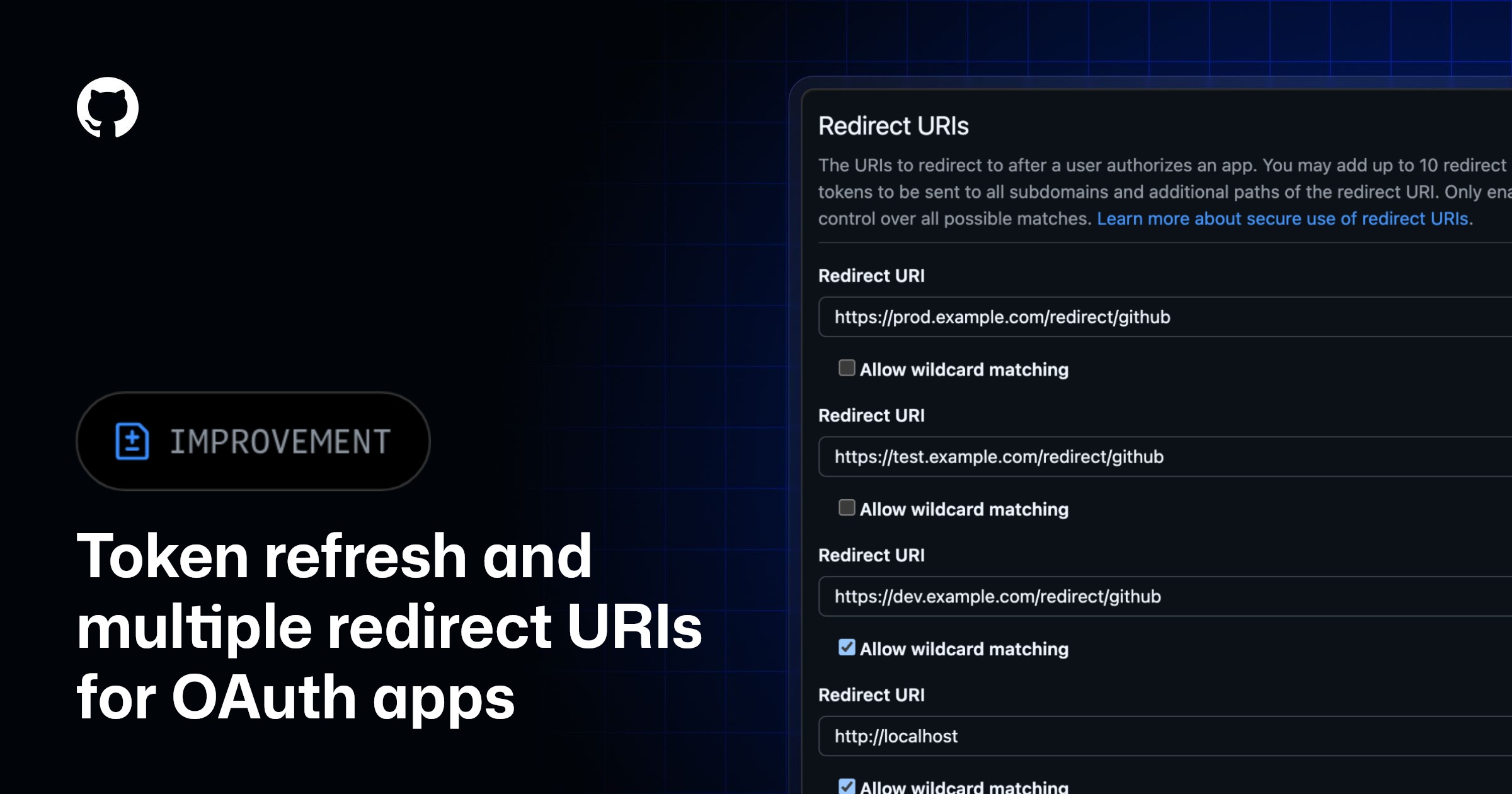
GitHub Enhances OAuth App Security Features
GitHub has introduced significant updates to its OAuth and GitHub App platforms, focusing on security and flexibility for developers. OAuth apps can now use expiring access tokens and refresh tokens, enhancing security by limiting token lifespan to eight hours with a six-month refresh period. Additionally, developers can register up to 10 redirect URIs, simplifying support for multiple environments. Wildcard matching for redirect URIs is now available, allowing more flexible URL configurations, though caution is advised to prevent misuse. These updates aim to streamline app development while maintaining robust security measures.
GitHub Changelog
 © Lev Selector
Coding Toolscoding
Claude Code Introduces Cross-Session Messaging
Claude Code has launched a new feature for cross-session messaging.
Lev Selector