Research
MIT predicts catalysts for green ammonia
MIT News AIhigh confidence
Why it matters
- →Provides a computational roadmap to accelerate the discovery of efficient catalysts for green ammonia.
- →Reduces reliance on trial-and-error by mapping microscopic material properties to reaction efficiency.
- →Addresses a critical bottleneck in making electrochemical nitrogen reduction economically viable at scale.
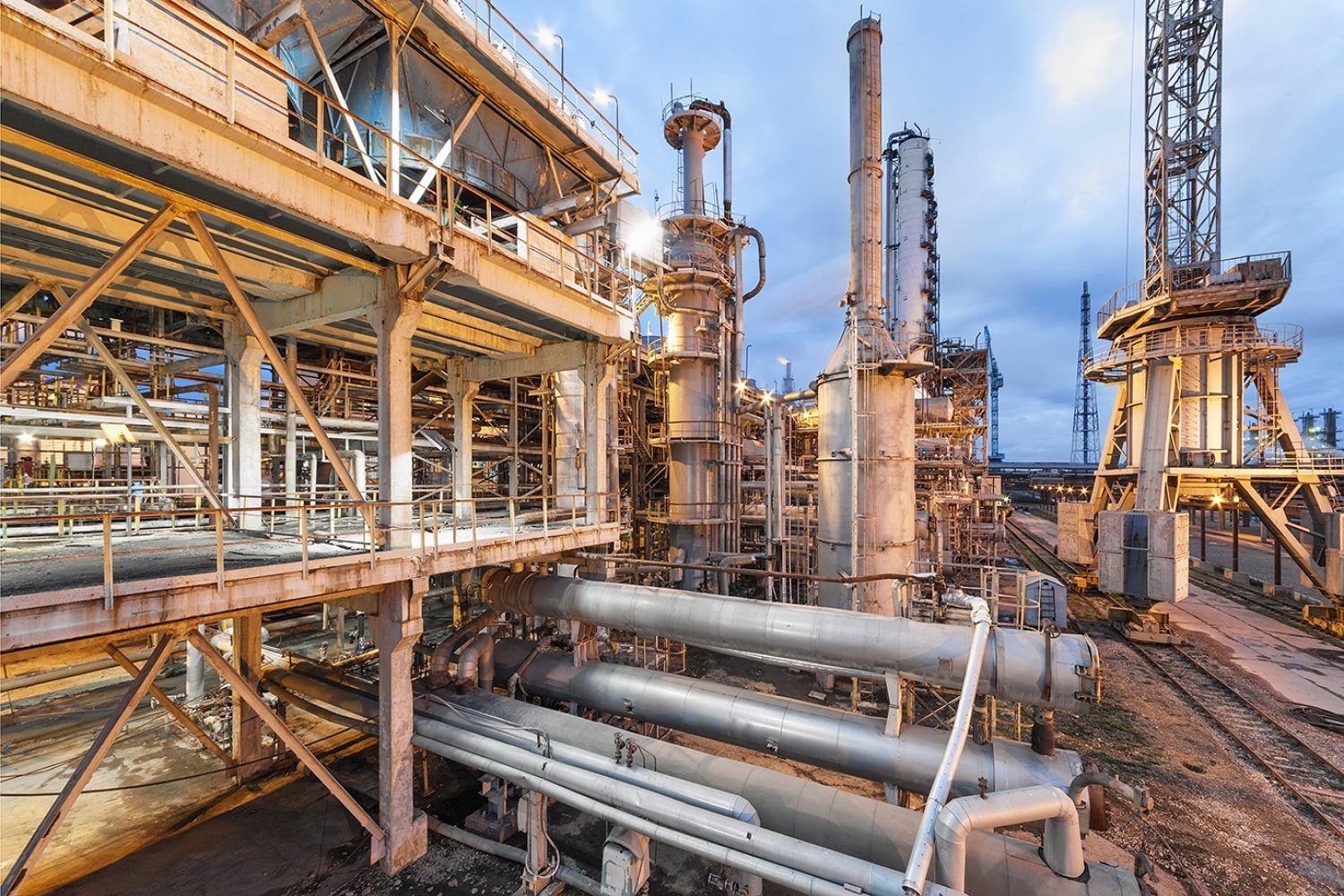
Researchers at MIT have published a computational framework in EES Catalysis that predicts promising catalyst materials for electrochemical ammonia production. Using density functional theory and machine learning, the team analyzed transition metal nitrides to identify key physical properties driving catalytic activity, aiming to replace the energy-intensive Haber-Bosch process. The study identifies specific reaction bottlenecks, such as nitrogen dissociation, and suggests alloy combinations that could overcome them. Although the findings are currently theoretical and require experimental validation in a working reaction cell, they offer a targeted strategy for developing sustainable fertilizer production methods.
Read originalMore from MIT News AI


More in Research
 © Hugging Face Blog
Researchresearch
Hugging Face Tackles AI Consistency with New Tool
Hugging Face has introduced a new tool to address the consistency gap in AI agents, particularly those using GPT-4.1. The Consistency Analyzer identifies decision points where an agent's performance may vary, even when the task remains unchanged. By generating consistency guidelines, the tool significantly reduces the inconsistency in task performance, cutting the gap from 24.4 percentage points to 12.0. This development means AI agents can now be more reliable in repeated tasks, enhancing their utility in mission-critical applications.
Hugging Face Blog
 © MIT Technology Review AI