Coding Tools
GitHub Adds Token Breakdown to AI Usage Reports
GitHub Changeloghigh confidence
Why it matters
- →Provides transparency in AI usage and costs for users.
- →Helps users manage and potentially reduce AI-related expenses.
- →Facilitates better communication with stakeholders about AI costs.

GitHub has introduced a new feature in its AI usage reports that provides a per-model token breakdown. This allows users to see the specific input, output, cache read, and cache write tokens contributing to their AI credits. Previously, the reports only showed total AI credits, making cost management challenging. This update is available to admins on Copilot Business and Enterprise, and to individual Copilot users, offering greater transparency and control over AI expenses.
Read originalMore from GitHub Changelog
© GitHub ChangelogOpen Sourcecoding
GitHub Enhances License Data Quality
GitHub has significantly improved the accuracy of license data for software components by integrating package registries like npmjs.org and PyPI into its dependency graph. This shift reduces the reliance on the ClearlyDefined service, which often produced complex and confusing results. By prioritizing registry data, GitHub has halved the number of missing licenses, enhancing the reliability of dependency insights and software bills of materials. This update also simplifies license tracking by using version ranges, making it easier to manage license changes over time.
GitHub Changelog
 © GitHub Changelog
Models & Labscoding
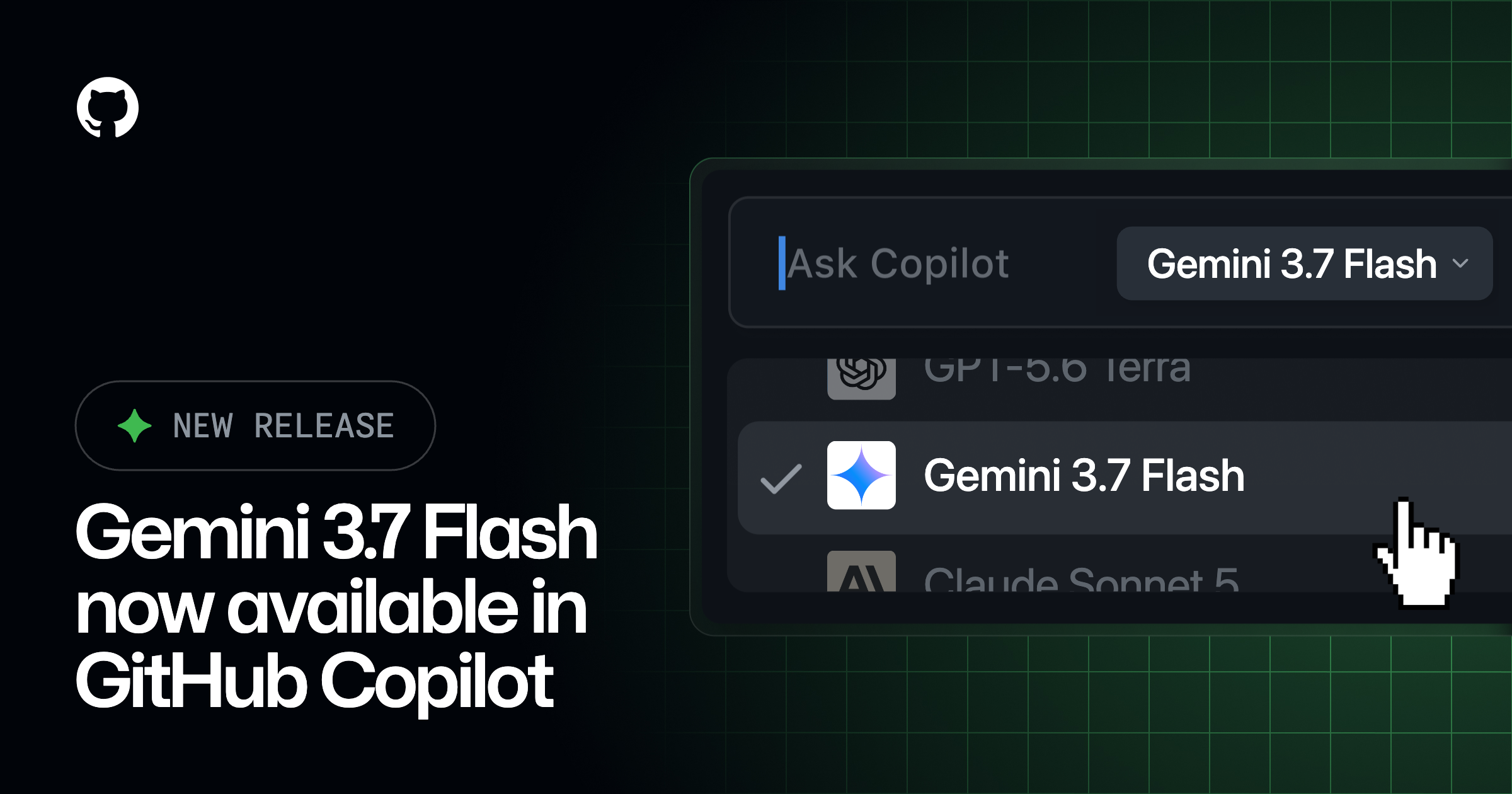
Gemini 3.7 Flash Now in GitHub Copilot
GitHub Copilot has integrated Google's Gemini 3.7 Flash model, offering developers enhanced tools for web and app development. This model is particularly effective in improving code quality and verification, which is essential for tackling complex coding challenges. Users across various tiers, including Pro and Enterprise, can now select this model in environments like Visual Studio Code and JetBrains. The gradual rollout means some users may need to wait, but the integration signifies a significant step in advancing AI-driven coding assistance. Administrators must enable the preview policy for organizational access, ensuring that the latest AI capabilities are available to their teams.
GitHub Changelog
 © GitHub Changelog
Coding Toolscoding
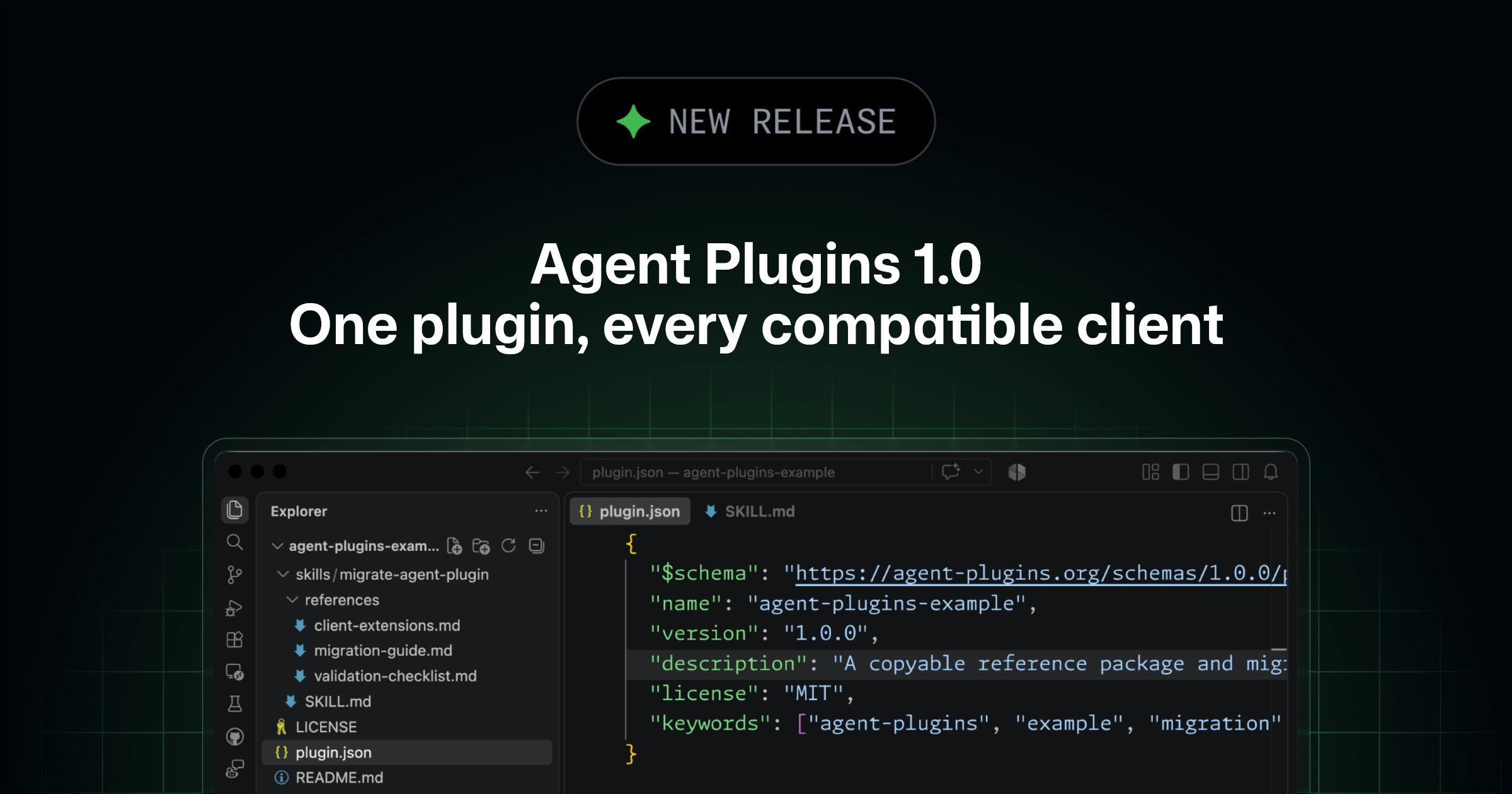
Agent Plugins 1.0 Launches for VS Code and Copilot
Agent Plugins 1.0 introduces a unified approach to plugin development, allowing a single plugin to be utilized across various agent clients like VS Code and GitHub Copilot. This open standard, backed by industry leaders such as AWS, Microsoft, and Google, aims to streamline the development process by reducing the need for duplicate efforts. By standardizing the integration of skills and MCP servers, developers can more easily maintain and distribute their plugins. The initiative promises a more cohesive ecosystem, simplifying plugin management and ensuring compatibility across different environments. Existing plugins remain supported, ensuring a seamless transition for current users.
GitHub Changelog
More in Coding Tools
Coding Toolscoding
Claude Code v2.1.232 Release
Claude Code's latest update, v2.1.232, introduces several enhancements and fixes that improve user experience and security. Subagent forking is now enabled by default, allowing for more efficient session management. GitLab support has been expanded, making it easier to clone repositories and manage credentials securely. The update also addresses various permission bypass issues and improves the handling of remote control sessions, ensuring smoother operation across different environments. These changes make Claude Code more robust and user-friendly, particularly for developers managing complex workflows.
Claude Code Releases
 © Matt Wolfe
Coding Toolscoding
AI Tools Used to Develop 3D Game Sequel
Matt Wolfe developed 'The Librarian 2', a 3D game sequel, using AI coding tools Claude Code and Codex.
Matt Wolfe
 © The AI Daily Brief
Coding Toolscoding
Anthropic Defaults to Auto Mode for Claude Code
Anthropic has made Auto Mode the default setting for Claude Code to enhance safe automation.
The AI Daily Brief