Coding Tools
Claude Code v2.1.271 Release
Claude Code Releaseshigh confidence
Why it matters
- →Fast mode in remote sessions can significantly speed up operations for developers.
- →Enhanced mouse support in configuration panels improves user interaction and ease of use.
- →Bug fixes ensure more reliable and stable coding sessions, reducing disruptions.
Claude Code has released version 2.1.271, bringing a host of new features and fixes. Key updates include the introduction of a fast mode for remote sessions and enhanced mouse support in the configuration panel. The update also addresses various bugs, improving session management and tool usage. These changes aim to enhance the overall user experience and operational efficiency for developers using Claude Code.
Read originalMore from Claude Code Releases
Coding Toolscoding
Claude Code v2.1.261 Update Released
The latest update to Claude Code, version 2.1.261, introduces several enhancements and fixes aimed at improving user experience and functionality. Notable changes include the addition of settings to increase command output limits and a new feature to identify unused skills, helping users optimize their setups. The update also addresses various bugs, such as character input issues and session management glitches, ensuring smoother operation across different environments. These improvements make Claude Code more robust and user-friendly, particularly for developers using it in complex workflows.
Claude Code Releases
Coding Toolscoding
Claude Code v2.1.268 Release
The latest update to Claude Code, version 2.1.268, introduces several enhancements and fixes that improve user experience and system reliability. Notably, it addresses issues with high CPU usage during idle sessions and resolves HTTP 400 errors on third-party endpoints. The update also enhances the gateway management by adding startup warnings and managed settings for public IPv4 blocks. These changes make Claude Code more robust and user-friendly, ensuring smoother operations and better resource management for developers.
Claude Code Releases
Coding Toolscoding
Claude Code v2.1.269 Release
The latest update to Claude Code, version 2.1.269, introduces several enhancements and fixes that improve the tool's functionality and user experience. Notably, the update adds a new plugin evaluation feature that provides scored, reproducible results, and enhances output style management. It also addresses numerous bugs, such as issues with terminal compatibility and session management, ensuring smoother operation across different environments. These changes make Claude Code more robust and user-friendly, particularly for developers working in varied terminal setups.
Claude Code Releases
More in Coding Tools
 © GitHub Changelog
Coding Toolscoding
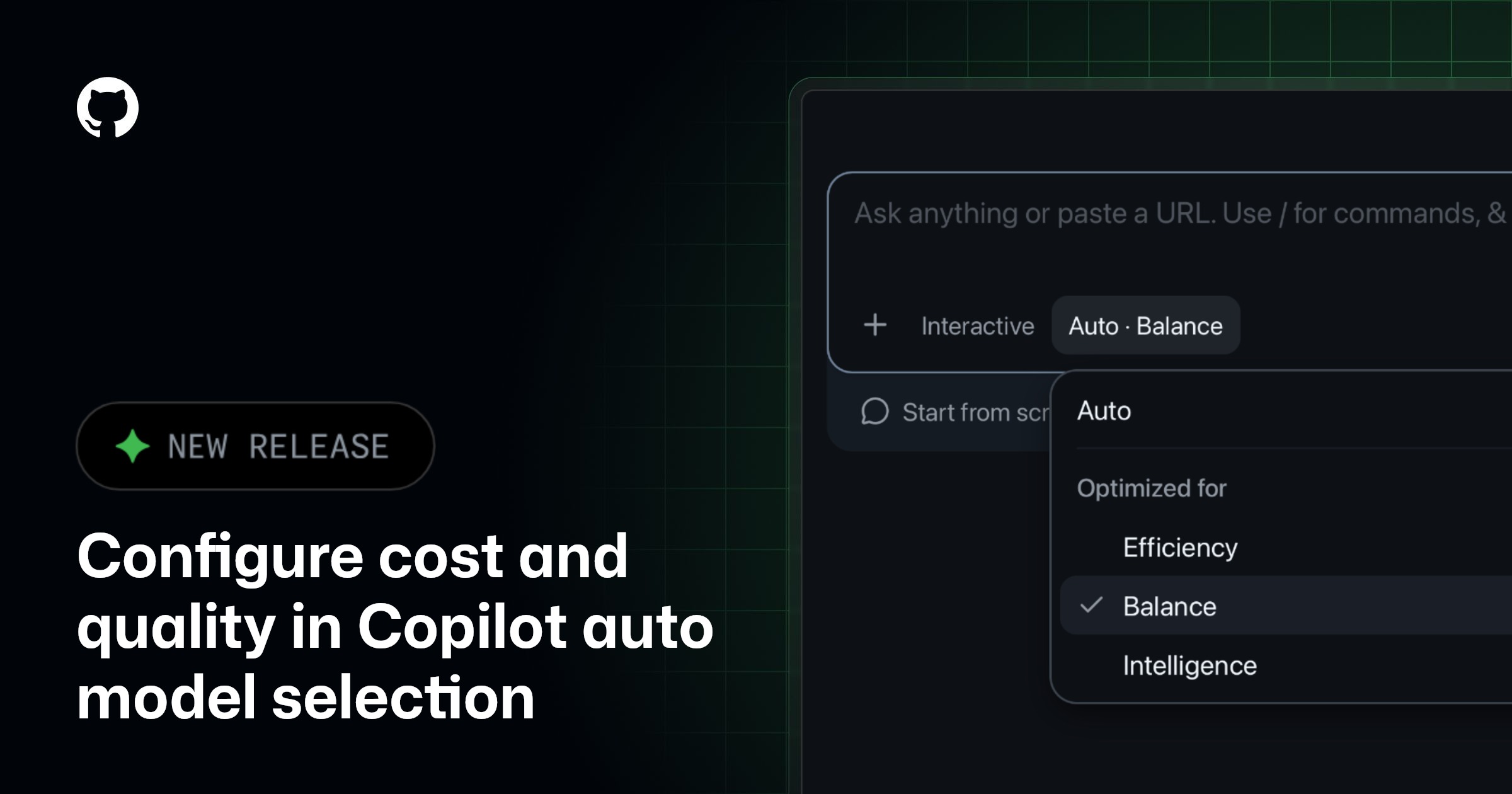
GitHub Copilot Introduces Auto Model Selection Tiers
GitHub Copilot's new auto model selection feature allows users to choose from three tiers—efficiency, balance, and intelligence—each optimizing for different priorities like cost, quality, and response time. This flexibility means users can tailor Copilot's performance to suit tasks ranging from simple to complex. The feature is rolling out across Visual Studio Code, Copilot CLI, and the GitHub Copilot app, offering a more customizable experience. This marks a significant step towards giving users more control over AI model selection, enhancing both usability and cost-effectiveness.
GitHub Changelog
 © GitHub Changelog
Coding Toolscoding
GitHub Copilot Enhances Code Review Automation
GitHub Copilot's latest updates streamline the code review process by automatically resolving comments once addressed and generating smart commit messages. This enhancement allows developers to focus on unresolved feedback, improving workflow efficiency. By leveraging a broader set of shell tools and an ensemble of agents, Copilot now provides more thorough and accurate reviews, especially at the Lite effort level. These changes not only enhance the quality of feedback but also reduce the cost of reviews, making Copilot a more effective tool for developers.
GitHub Changelog
 © GitHub Changelog
Coding Toolscoding
GitHub Copilot Adds Jira Integration and HydraFusion
GitHub Copilot's latest update introduces significant enhancements, including Jira integration and adaptive model orchestration with Project HydraFusion. The Jira integration allows users to seamlessly turn issues into actionable tasks, enhancing workflow efficiency. Project HydraFusion, now in experimental, offers automated semantic routing between different model types, optimizing performance and cost. These updates, along with new agent automation features in Visual Studio Code and expanded enterprise controls in JetBrains, mark a step forward in making AI-driven development more integrated and efficient.
GitHub Changelog