Open Source
GitHub Enhances License Data Quality
GitHub Changeloghigh confidence
Why it matters
- →Improved license data accuracy enhances software compliance and security.
- →Reducing missing licenses from 45% to 24% significantly increases reliability.
- →Version range tracking simplifies management of license changes over time.
GitHub has enhanced its license data quality by incorporating package registries such as npmjs.org and PyPI into its dependency graph. This change aims to improve the accuracy and completeness of license information, reducing the number of missing licenses from 45% to 24% among 170 million packages. The update also introduces version range tracking, simplifying the management of license changes over time. This improvement is now available across all GitHub services, offering more reliable dependency insights and software bills of materials.
Read originalMore from GitHub Changelog
 © GitHub Changelog
Models & Labscoding
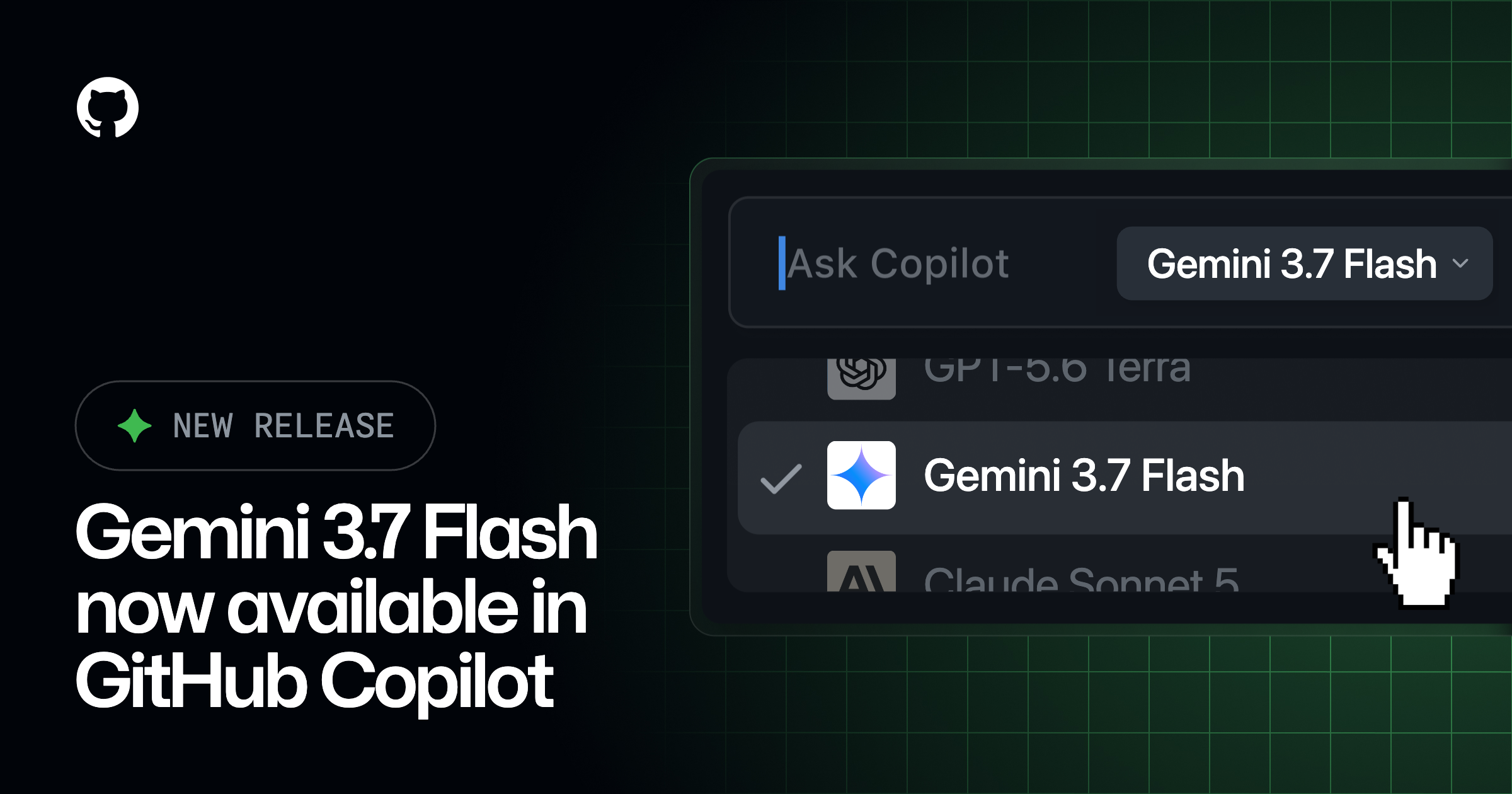
Gemini 3.7 Flash Now in GitHub Copilot
GitHub Copilot has integrated Google's Gemini 3.7 Flash model, offering developers enhanced tools for web and app development. This model is particularly effective in improving code quality and verification, which is essential for tackling complex coding challenges. Users across various tiers, including Pro and Enterprise, can now select this model in environments like Visual Studio Code and JetBrains. The gradual rollout means some users may need to wait, but the integration signifies a significant step in advancing AI-driven coding assistance. Administrators must enable the preview policy for organizational access, ensuring that the latest AI capabilities are available to their teams.
GitHub Changelog
 © GitHub Changelog
Coding Toolscoding
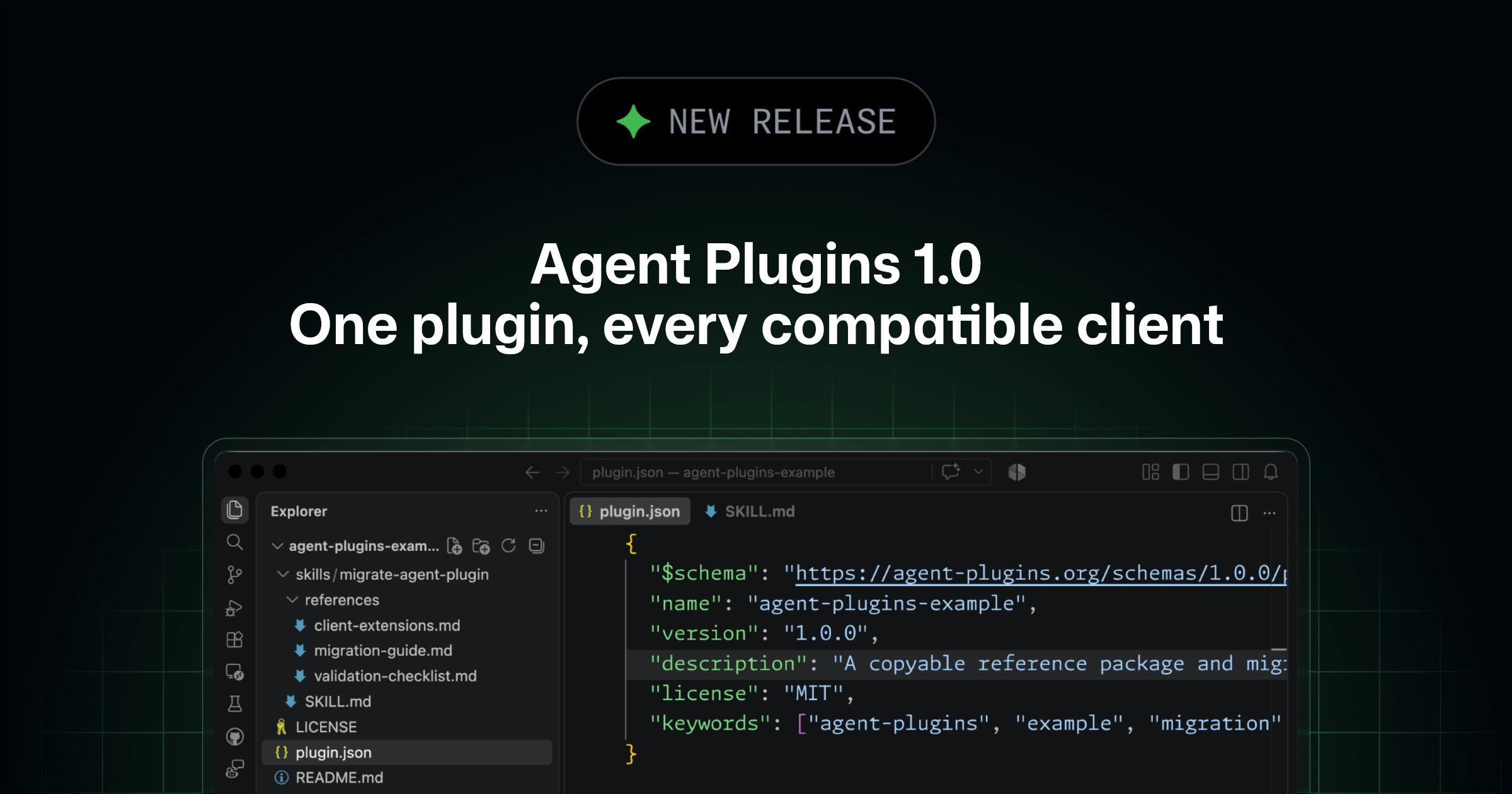
Agent Plugins 1.0 Launches for VS Code and Copilot
Agent Plugins 1.0 introduces a unified approach to plugin development, allowing a single plugin to be utilized across various agent clients like VS Code and GitHub Copilot. This open standard, backed by industry leaders such as AWS, Microsoft, and Google, aims to streamline the development process by reducing the need for duplicate efforts. By standardizing the integration of skills and MCP servers, developers can more easily maintain and distribute their plugins. The initiative promises a more cohesive ecosystem, simplifying plugin management and ensuring compatibility across different environments. Existing plugins remain supported, ensuring a seamless transition for current users.
GitHub Changelog
 © GitHub Changelog
Models & Labscoding
GitHub Enterprise Server 3.22 Release Candidate Unveiled
GitHub's latest release candidate for Enterprise Server 3.22 introduces several enhancements aimed at improving enterprise management and security. Notably, the Copilot CLI can now be configured for use in air-gapped environments, allowing enterprises to leverage AI assistance without cloud connectivity. The general availability of Enterprise Teams simplifies user management across organizations, reducing administrative overhead. Additionally, new features like customizable secret scanning and repository rulesets provide more granular control over security and workflow processes. These updates reflect GitHub's ongoing commitment to enhancing enterprise functionality and security.
GitHub Changelog
More in Open Source
 © NVIDIA Blog
Open Sourceagents
NVIDIA Boosts Local AI with New Open Models
NVIDIA is making strides in the open-source AI ecosystem by releasing several new models and tools that enhance local AI capabilities. Notably, the Cosmos 3 Edge model for robotics and autonomous vehicles, and the MiniMax-H3 model for video and audio generation, are optimized for NVIDIA GPUs, allowing developers to run complex AI tasks locally. This push towards local AI is further supported by the launch of Unsloth Desktop, a comprehensive open-source app for AI model training and inference. These developments signify a shift towards more accessible and efficient AI processing on personal devices, reducing reliance on cloud-based solutions.
NVIDIA Blog
 © Sam Witteveen
Open Sourceagents
NVIDIA Launches NeMo Switchyard for AI Agents
NVIDIA's NeMo Switchyard is a new open-source library designed to optimize AI agent workflows by selecting the most suitable model for each task. This innovation aims to enhance the efficiency of long-running AI agents by improving response times and token usage. By acting as a router, Switchyard intelligently directs workloads across different models, potentially transforming how developers build and deploy AI agents. The open-source nature of Switchyard invites developers to explore and contribute, making it a significant tool for those interested in large language model (LLM) agents.
Sam Witteveen
Open Sourcecoding
llama.cpp b10328 Release Adds Docker Tool Isolation
The latest b10328 release of llama.cpp introduces initial support for tool isolation using Docker, marking a step towards more secure and modular deployments. This update includes the separation of tools into distinct sandbox and Docker environments, enhancing the flexibility and security of tool management. By renaming sandbox to isolate and introducing x-tool-runtime, the release aims to streamline the development process. While this update doesn't introduce new models or quantization methods, it strengthens the infrastructure for developers working with llama.cpp, making it more adaptable to various deployment scenarios.
llama.cpp Releases