Models & Labs
Gemini 3.7 Flash Now in GitHub Copilot
GitHub Changeloghigh confidence
Why it matters
- →Gemini 3.7 Flash enhances code quality and verification, crucial for complex tasks.
- →The integration into GitHub Copilot expands AI capabilities for developers.
- →This update supports a range of platforms, increasing accessibility for users.
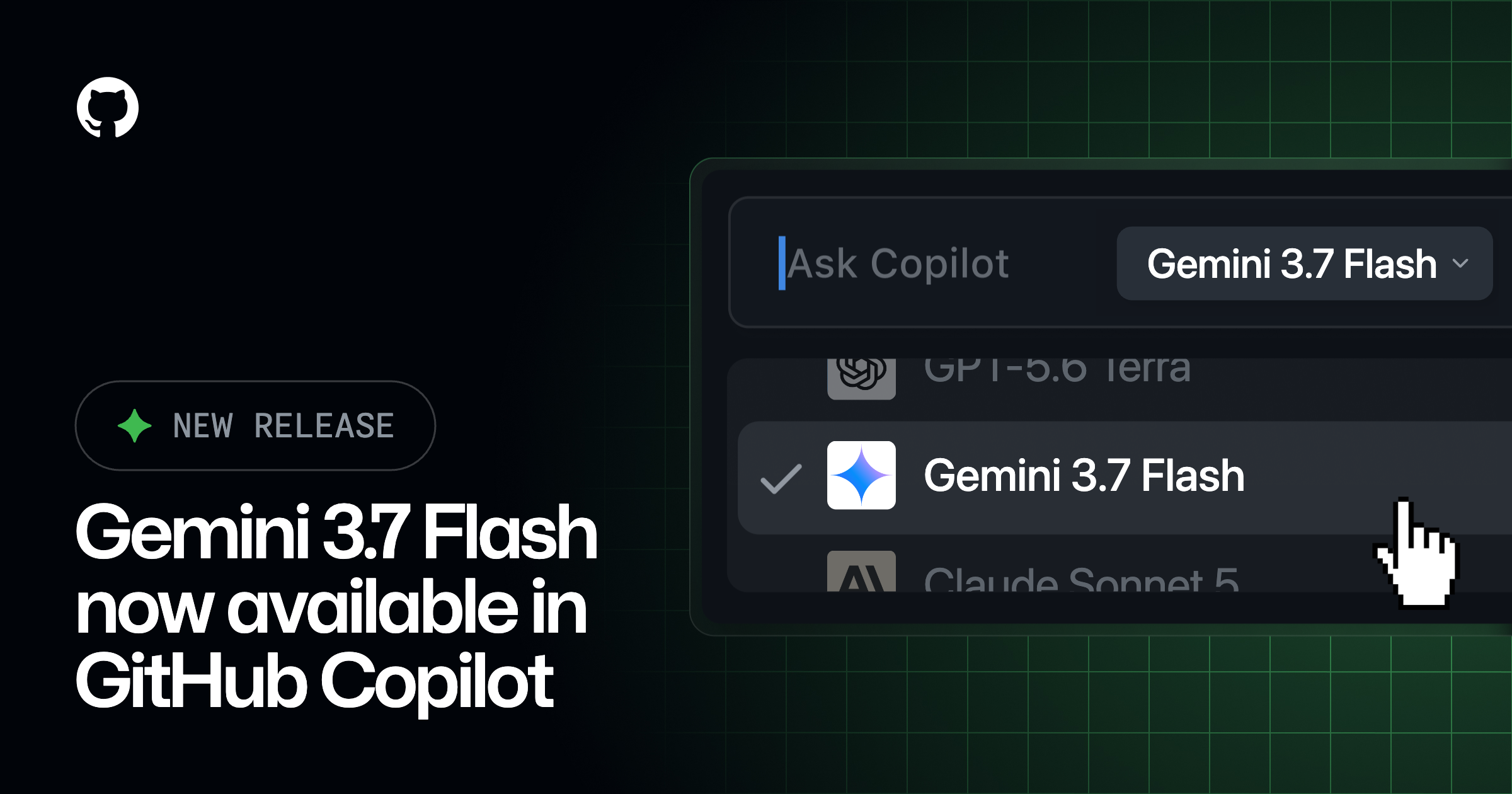
GitHub has integrated Google's Gemini 3.7 Flash model into its Copilot service, enhancing capabilities for web and app development. The model offers improved code quality and verification, particularly beneficial for complex coding tasks. Available to Copilot Pro, Business, and Enterprise users, it can be accessed through platforms like Visual Studio Code and JetBrains. The rollout is gradual, and administrators must enable the preview policy for organizational access. This update underscores GitHub's commitment to advancing AI-driven coding tools.
Read originalMore from GitHub Changelog
 © GitHub Changelog
Open Sourcecoding
GitHub Enhances License Data Quality
GitHub has significantly improved the accuracy of license data for software components by integrating package registries like npmjs.org and PyPI into its dependency graph. This shift reduces the reliance on the ClearlyDefined service, which often produced complex and confusing results. By prioritizing registry data, GitHub has halved the number of missing licenses, enhancing the reliability of dependency insights and software bills of materials. This update also simplifies license tracking by using version ranges, making it easier to manage license changes over time.
GitHub Changelog
 © GitHub Changelog
Coding Toolscoding
Agent Plugins 1.0 Launches for VS Code and Copilot
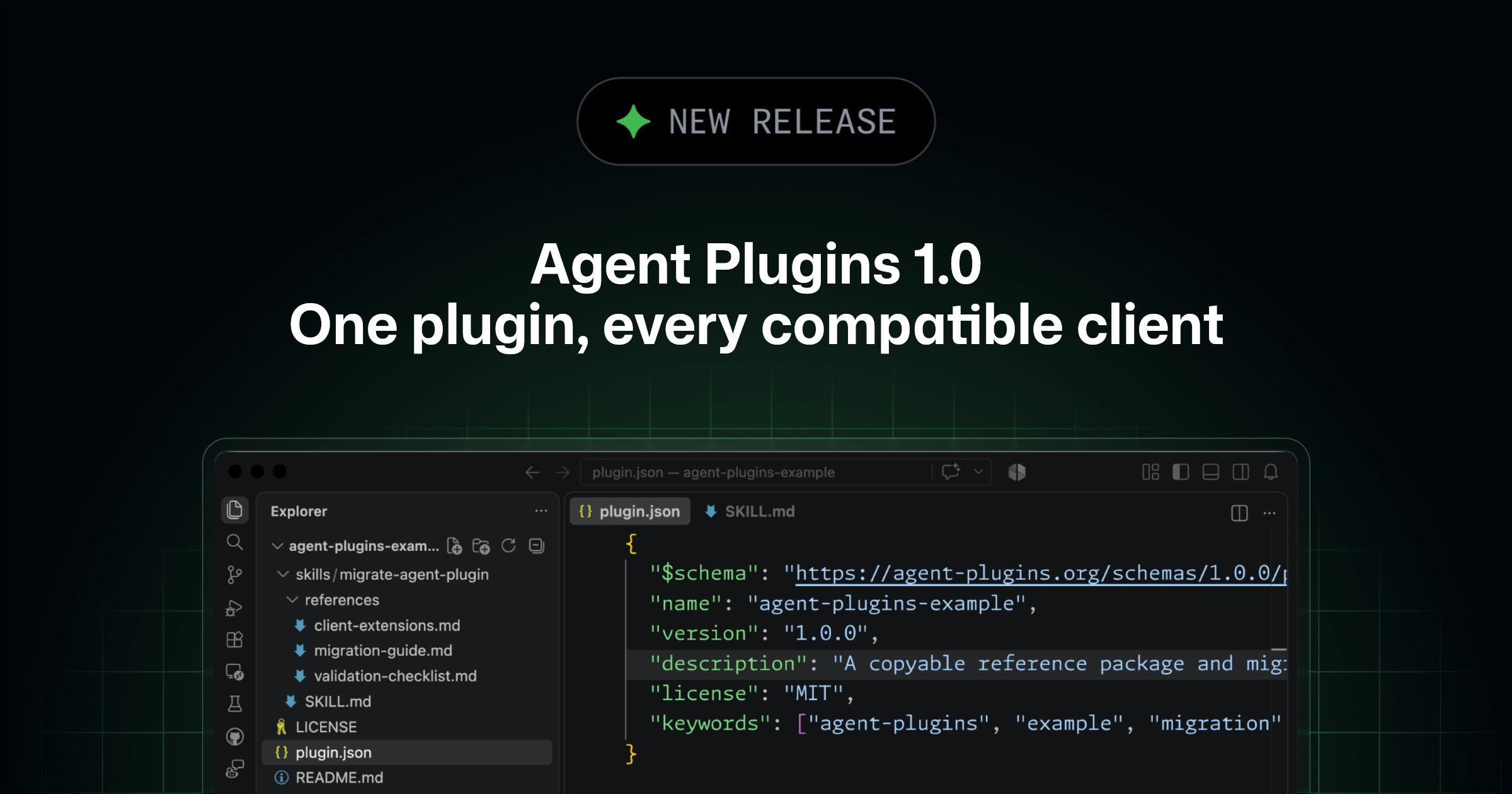
Agent Plugins 1.0 introduces a unified approach to plugin development, allowing a single plugin to be utilized across various agent clients like VS Code and GitHub Copilot. This open standard, backed by industry leaders such as AWS, Microsoft, and Google, aims to streamline the development process by reducing the need for duplicate efforts. By standardizing the integration of skills and MCP servers, developers can more easily maintain and distribute their plugins. The initiative promises a more cohesive ecosystem, simplifying plugin management and ensuring compatibility across different environments. Existing plugins remain supported, ensuring a seamless transition for current users.
GitHub Changelog
 © GitHub Changelog
Models & Labscoding
GitHub Enterprise Server 3.22 Release Candidate Unveiled
GitHub's latest release candidate for Enterprise Server 3.22 introduces several enhancements aimed at improving enterprise management and security. Notably, the Copilot CLI can now be configured for use in air-gapped environments, allowing enterprises to leverage AI assistance without cloud connectivity. The general availability of Enterprise Teams simplifies user management across organizations, reducing administrative overhead. Additionally, new features like customizable secret scanning and repository rulesets provide more granular control over security and workflow processes. These updates reflect GitHub's ongoing commitment to enhancing enterprise functionality and security.
GitHub Changelog
More in Models & Labs
Models & Labsmodels
llama.cpp b10412 Release Enhances Backend Sampling
The latest b10412 release of llama.cpp introduces backend sampling for both dflash and dspark, marking a technical enhancement in the platform's capabilities. This update allows for more refined control with the enablement of p_min > 0 in backend sampling, adding a layer of precision for developers. While the release doesn't introduce new models or architectures, it quietly strengthens the platform's backend functionality, making it more versatile for developers working across various systems. This update is a step forward in optimizing the performance and flexibility of llama.cpp's inference capabilities.
llama.cpp Releases
Models & Labsmodels
llama.cpp b10414 Release Adds TQ2_0 Support
The b10414 release of llama.cpp marks a significant enhancement with the addition of GGML_TYPE_TQ2_0 type processing in the Metal backend, enabling ternary operations with 2 bits per element. This update brings a more efficient mul_mv kernel, focusing on float operations and optimizing data handling through techniques like precalculating sums. While the release doesn't feature new models, it refines the platform's performance and broadens its compatibility across systems like macOS, Linux, and Windows. By improving efficiency and versatility, llama.cpp continues to be a valuable tool for developers working with a variety of hardware configurations.
llama.cpp Releases
Models & Labsmodels
llama.cpp b10418 Release Enhances SYCL Support
The b10418 release of llama.cpp brings notable improvements to SYCL support, particularly through the introduction of host pinned memory, which enhances host-to-device memory access. This update also resolves a thread-safety issue, ensuring more stable performance across different hardware setups. While no new models are introduced, the release focuses on strengthening the existing infrastructure, making it more robust for developers working with SYCL. This update is crucial for optimizing performance and ensuring compatibility, especially for those leveraging SYCL in their development environments.
llama.cpp Releases