Market & Regulation
MIT's Initiative for New Manufacturing Gains Traction
MIT News AIhigh confidence
Why it matters
- →INM is integrating AI into manufacturing, potentially transforming industrial processes.
- →The initiative fosters entrepreneurship, helping move innovations from lab to market.
- →It creates a collaborative ecosystem, addressing complex manufacturing challenges.
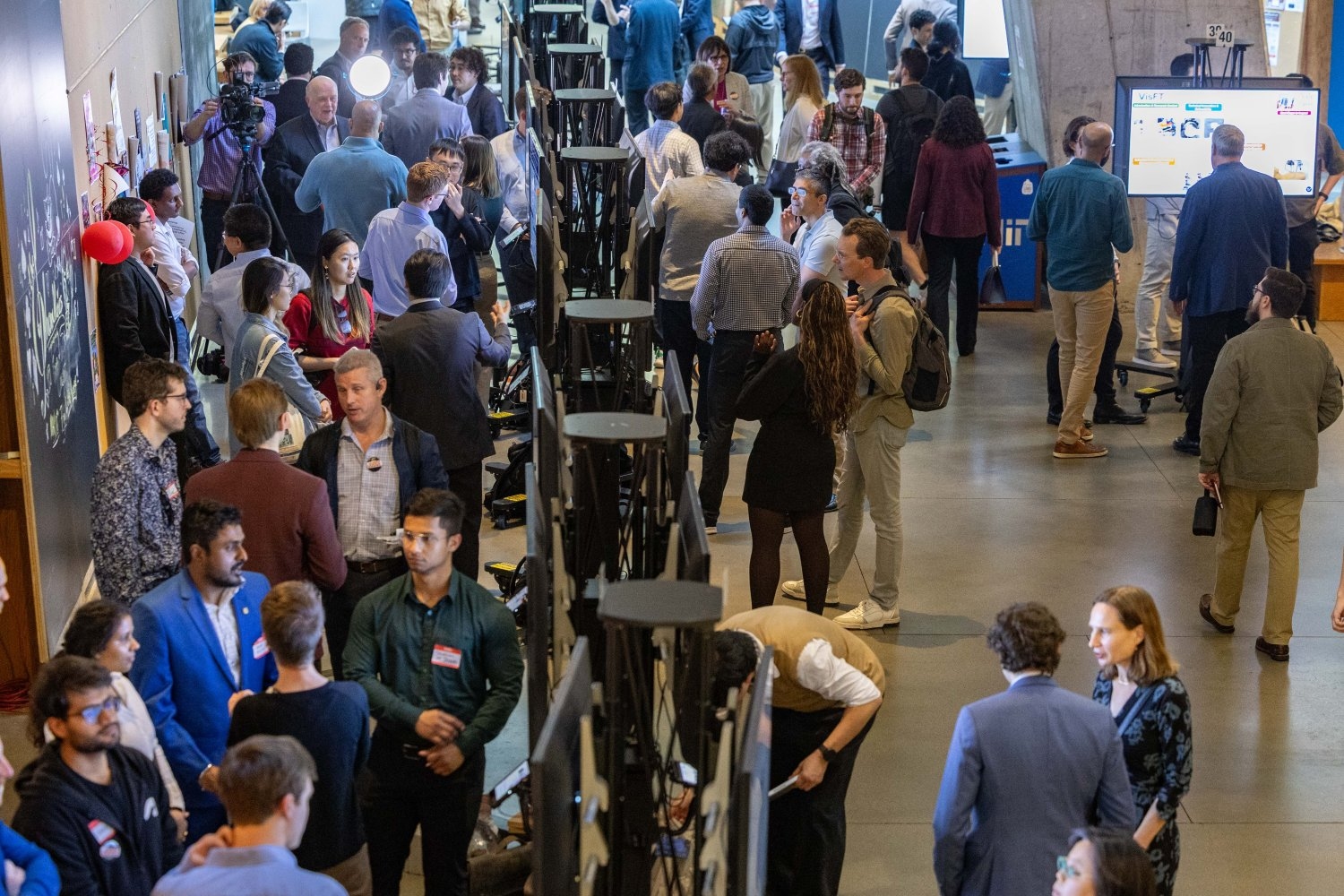
MIT's Initiative for New Manufacturing (INM) is gaining momentum as it marks its first anniversary. The initiative has engaged over 800 participants in discussions on AI's role in manufacturing and workforce development. During MIT Manufacturing Week, a research showcase awarded innovative projects, including modular machine control architectures. INM aims to connect research, industry, and education to tackle complex manufacturing challenges, with plans for a national rollout of its programs.
Read originalMore from MIT News AI
 © MIT News AI
Researchresearch
MIT Study Challenges Game Theory Algorithms
MIT researchers have discovered that general-purpose policy gradient methods can outperform specialized game-theoretic algorithms in imperfect-information games. This finding challenges long-held assumptions in the field, suggesting that these generalist algorithms can be more effective in dynamic, multi-agent environments. The team has developed a benchmarking tool to evaluate algorithm performance, which is accessible and easy to use on standard laptops. This work not only redefines strategic game analysis but also has broader implications for real-world scenarios involving hidden information.
MIT News AI
 © MIT News AI
Researchresearch
MIT Develops Spatiotemporal Memory for Robots
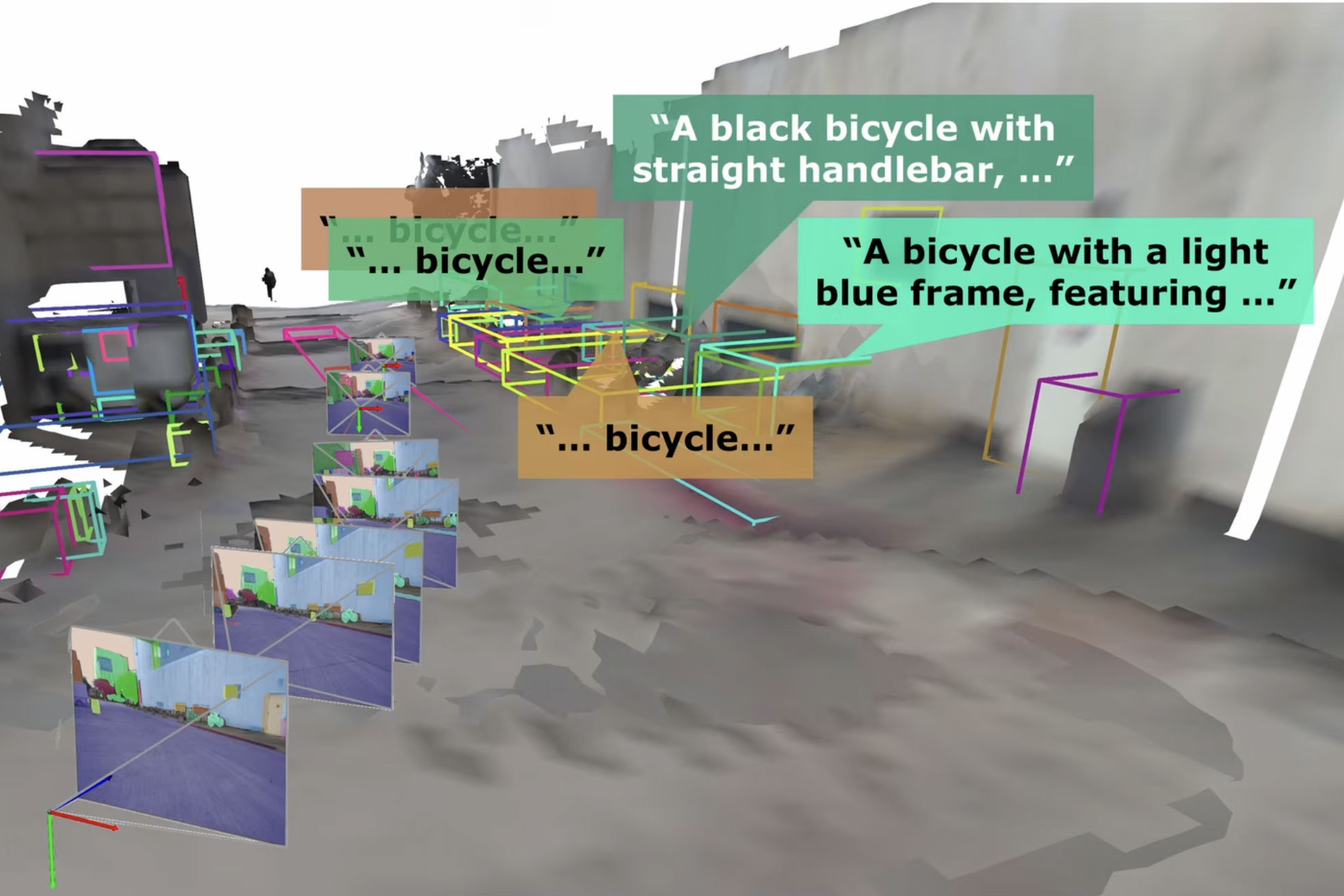
MIT researchers have developed a groundbreaking memory framework that allows robots to form and recall detailed mental models of large-scale environments. This advancement enables robots to answer complex queries about their surroundings in real-time, using a language-based map that mimics human reasoning about time and space. The method, known as DAAAM, combines computer vision and robotic mapping to create a 3D map with rich object descriptions, significantly improving accuracy and speed over existing techniques. This innovation could transform how robots assist humans in tasks, making them more intuitive and efficient partners in various settings.
MIT News AI
More in Market & Regulation
 © NVIDIA Blog
Market & Regulationbusiness
France Boosts AI Infrastructure with NVIDIA Technologies
France is making significant strides in AI infrastructure, leveraging NVIDIA technologies to enhance its capabilities. With the construction of a new 44-megawatt data center by Mistral and the deployment of NVIDIA Blackwell instances by Scaleway, France is positioning itself as a key player in Europe's AI landscape. The collaboration with NVIDIA and other partners is fostering the development of open models tailored to local languages and cultural contexts, ensuring compliance with European regulations. This initiative marks a shift from pilot projects to full-scale AI production, promising to accelerate AI adoption across various industries in France.
NVIDIA Blog
 © Sifted
Market & Regulationbusiness
Anthropic's US Model Ban: Opportunity for Europe?
The US government's decision to restrict access to Anthropic's AI models for non-US nationals has stirred concern in Europe but is seen as an opportunity by some. Uljan Sharka, CEO of Italian AI company Domyn, views this as a chance for European AI firms to step up and fill the gap left by Anthropic's absence. This move could catalyze innovation and competition within the European AI landscape, potentially leading to the development of homegrown alternatives. While the ban poses challenges, it also opens doors for European companies to assert themselves in the AI field, fostering a more diverse and competitive market.
Sifted
 © The Verge AI
Market & Regulationbusiness
Midjourney unveils full-body ultrasound scanner
Midjourney, known for its AI image generation, is venturing into medical technology with the introduction of The Midjourney Scanner, a full-body ultrasound device. This innovative scanner, developed in collaboration with Butterfly Network, uses a ring of sensors to create detailed 3D images of the body's internal composition. The scanner aims to offer image quality comparable to MRI without the associated drawbacks, such as radiation. While the project is still in its early stages, with plans to open a spa in San Francisco by 2027, it represents a significant shift from Midjourney's traditional focus on AI-generated images.
The Verge AI