Market & Regulation
US probes Megaspeed exec for alleged espionage
TechCrunch AIhigh confidence
Why it matters
- →Highlights growing risks of corporate espionage in the AI hardware supply chain.
- →Indicates US intelligence is actively monitoring high-level interactions between US tech CEOs and foreign entities.
- →Adds complexity to Nvidia's compliance challenges amid ongoing export control enforcement.
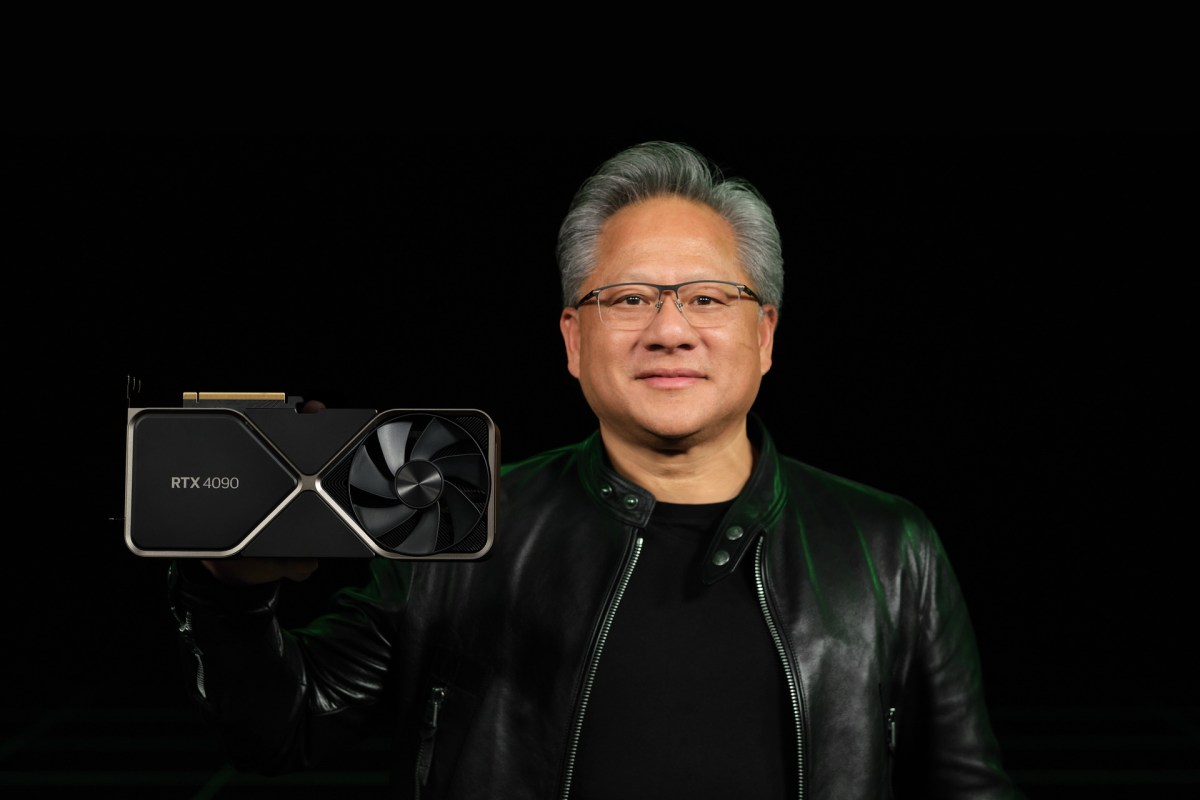
US intelligence agencies have been surveilling Alice Huang, a top executive at Singapore cloud firm Megaspeed, suspecting she may be a Chinese spy gathering information from Nvidia CEO Jensen Huang. The investigation stems from concerns that Huang used her close relationship with Huang to access trade secrets and influence US export policy regarding advanced AI chips to China. Nvidia has denied the allegations, stating that interactions with regional customers are standard business practice and involve no sensitive national security information. This development follows a 2025 Commerce Department probe into Megaspeed for allegedly reselling restricted Nvidia chips to Chinese companies.
Read originalThe story around this
Earlier coverage that leads up to this article, and what followed. Lines connect each piece to the closest one after it, converging here.
More from TechCrunch AI
 © TechCrunch AI
Market & Regulationother
Judge allows NAACP lawsuit over xAI pollution to proceed
xAI's attempt to dismiss the NAACP's Clean Air Act lawsuit failed after a federal judge ruled that its gas turbines are not exempt mobile sources and that plaintiffs have standing. This legal setback confirms that AI infrastructure operators cannot bypass environmental permitting by classifying heavy industrial equipment as temporary or mobile. The ruling forces xAI to face scrutiny over air quality impacts at its Colossus data center, setting a precedent for how large-scale compute facilities are regulated under existing environmental laws.
TechCrunch AI
 © TechCrunch AI


