Coding Tools
GitHub Push Rules Now Support Path Exceptions
GitHub Changeloghigh confidence
Why it matters
- →Allows for more precise control over repository management.
- →Helps maintain strict standards while accommodating necessary exceptions.
- →Encourages user feedback during the public preview phase.
GitHub has announced a new feature that allows developers to set path exceptions for push rules in repositories. This enhancement enables more precise control by allowing specific file paths to be exempt from general rules, such as blocking certain file types or enforcing file size limits. The feature is in public preview, inviting users to test and provide feedback. This update helps maintain strict repository standards while accommodating necessary exceptions.
Read originalMore from GitHub Changelog
 © GitHub Changelog
Coding Toolscoding
GitHub Rule Insights Dashboard Now Available
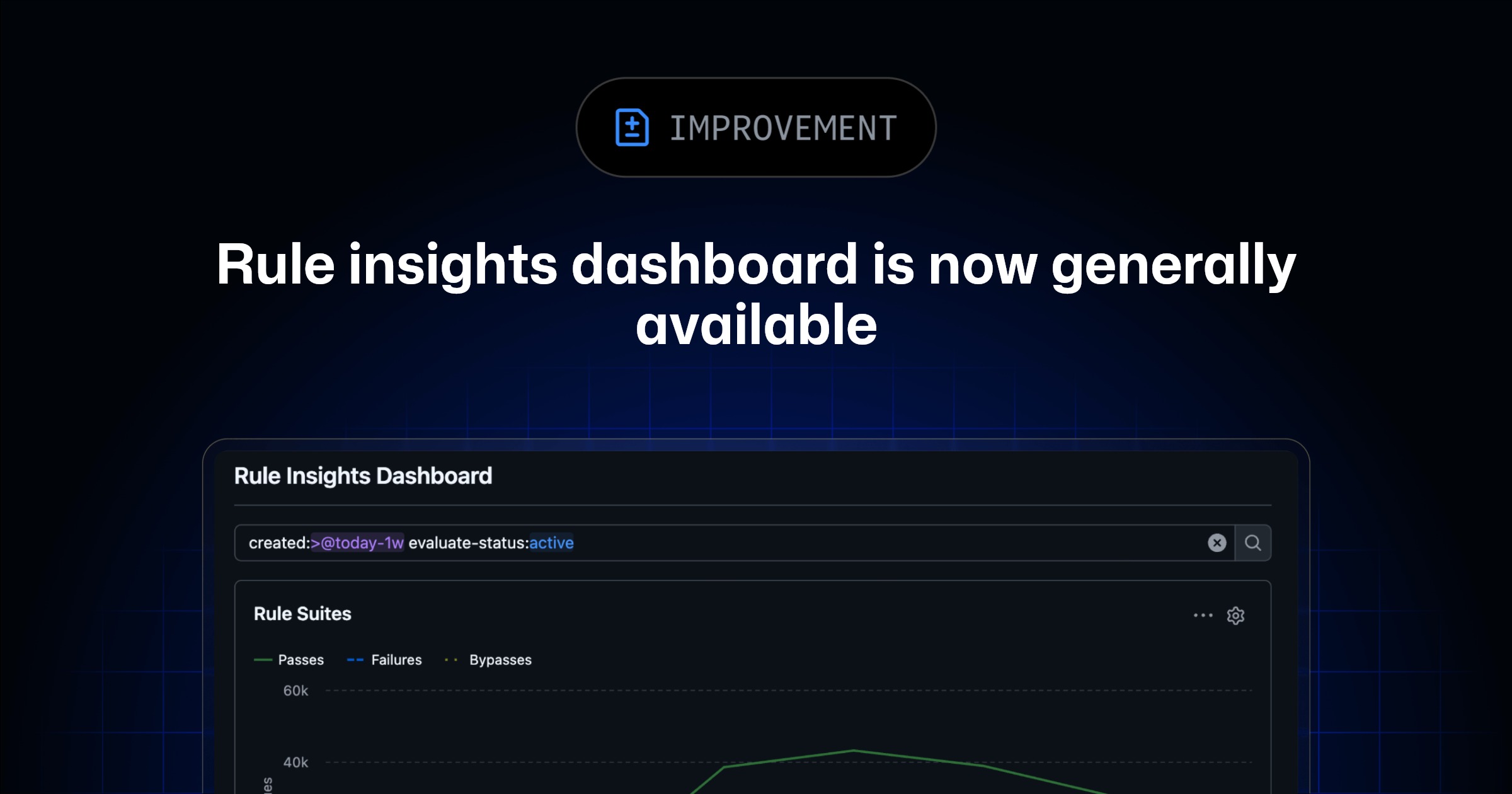
GitHub's rule insights dashboard is now generally available, offering a comprehensive view of how repository rulesets are evaluated and enforced. This tool allows users to easily identify trends and report on governance without the need for manual data compilation. The dashboard provides aggregated metrics and identifies top repositories by bypasses, enabling users to focus their reviews effectively. With filtering options for evaluation status, branch, ruleset, and date range, users can conduct detailed analyses. This release empowers governance and compliance teams to efficiently monitor and report on repository activities, making it a valuable asset for organizations prioritizing compliance and governance.
GitHub Changelog
 © GitHub Changelog
Coding Toolscoding
GitHub Copilot App Adds Customize Tab
GitHub has introduced a new Customize tab in its Copilot app, aiming to enhance user experience by integrating MCP servers, plugins, skills, and canvases into a single interface. This update allows users to explore and implement customizations more efficiently, aligning Copilot with their existing workflows and tools. By offering featured customizations and a streamlined browsing experience, GitHub makes it easier for teams to tailor Copilot to their specific needs. This development signifies a step towards more personalized and context-aware coding assistance, potentially increasing productivity for developers.
GitHub Changelog
 © GitHub Changelog
Coding Toolscoding
GitHub Copilot Integrates with Slack in Public Preview
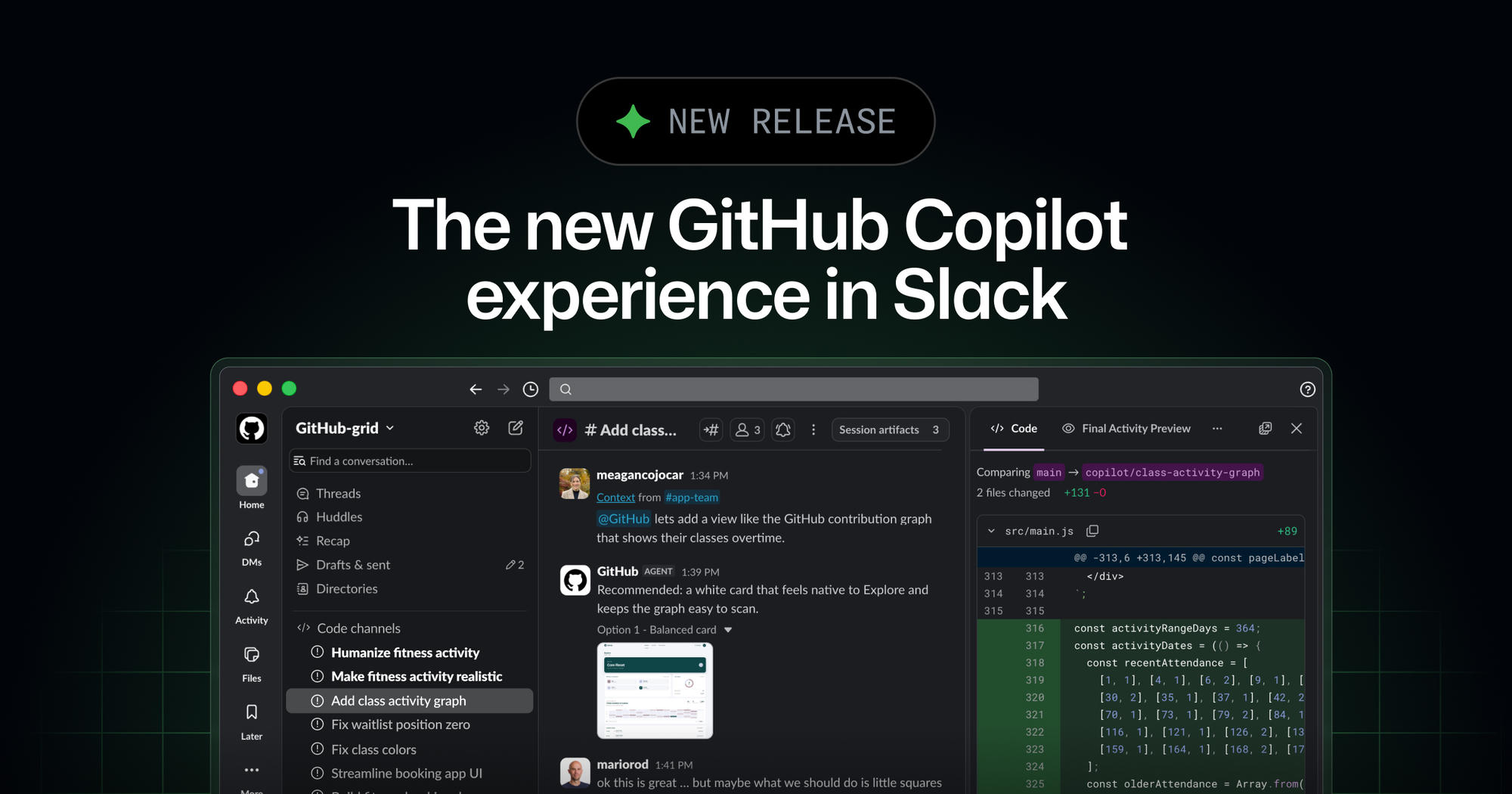
GitHub has introduced a public preview of its Copilot integration with Slack, allowing teams to leverage AI-driven coding assistance directly within their communication channels. This integration enables users to plan changes, investigate issues, and manage coding tasks seamlessly from Slack, enhancing collaboration and productivity. By mentioning @GitHub in Slack, teams can initiate agent sessions that utilize GitHub context to answer questions, triage bugs, and even open pull requests. This move brings AI capabilities into the flow of team conversations, making it easier for developers to learn from each other and maintain oversight while using AI tools.
GitHub Changelog
More in Coding Tools
 © Hugging Face Blog
Coding Toolscoding
Gradio Introduces AI Workflow Automation
Gradio's new feature, gr.Workflow, transforms AI workflows by allowing users to create complex pipelines with a simple drag-and-drop interface. This innovation enables users to build, run, and deploy AI applications seamlessly, turning each workflow into a REST API with minimal effort. By integrating with Hugging Face Inference Providers and Gradio Spaces, users can execute multi-step processes and access intermediate results in real-time. This development significantly lowers the barrier for developers to create and deploy sophisticated AI applications, making it easier to experiment and iterate on ideas.
Hugging Face Blog
 © Ollama Blog
Coding Toolscoding
Claude Desktop Integrates with Ollama Gateway
Ollama has introduced support for Claude Desktop, allowing developers to configure it as a third-party gateway provider. This integration enables users to run open models directly on their computers or utilize cloud models for more extensive tasks, offering flexibility in model usage. The setup is straightforward, with the ability to switch between local and cloud models seamlessly. This development enhances Claude Desktop's versatility, making it easier for developers to leverage different models without compromising data privacy, as Ollama maintains a Zero Data Retention policy.
Ollama Blog
Coding Toolscoding
Claude Code v2.1.239 Update Released
The latest update to Claude Code, version 2.1.239, brings a host of fixes and improvements aimed at enhancing user experience and functionality. Notably, the update addresses issues with cloud sessions, proxy handling, and session management, ensuring smoother operation across various environments. It also introduces new features like the fullscreen renderer offer on previously excluded setups and improved cost estimation for US-only inference. These changes make Claude Code more robust and user-friendly, particularly for developers working in diverse technical setups.
Claude Code Releases