Coding Tools
Claude Code v2.1.257 Release
Claude Code Releaseshigh confidence
Why it matters
- →The introduction of Claude Fable 5.1 as the default model enhances processing capabilities with a 1M context.
- →New security measures, like the containment escape rule, improve the platform's safety for developers.
- →Bug fixes and enhancements ensure a more stable and reliable development environment.
Claude Code has released version 2.1.257, featuring the new Claude Fable 5.1 model as the default, which supports a 1M context. The update introduces new time format settings and a containment escape rule to improve security measures. Additionally, it addresses various bugs related to session management and permission handling, enhancing the overall stability and functionality of the platform. These changes aim to provide a more seamless experience for developers using Claude Code.
Read originalMore from Claude Code Releases
More in Coding Tools
 © GitHub Changelog
Coding Toolscoding
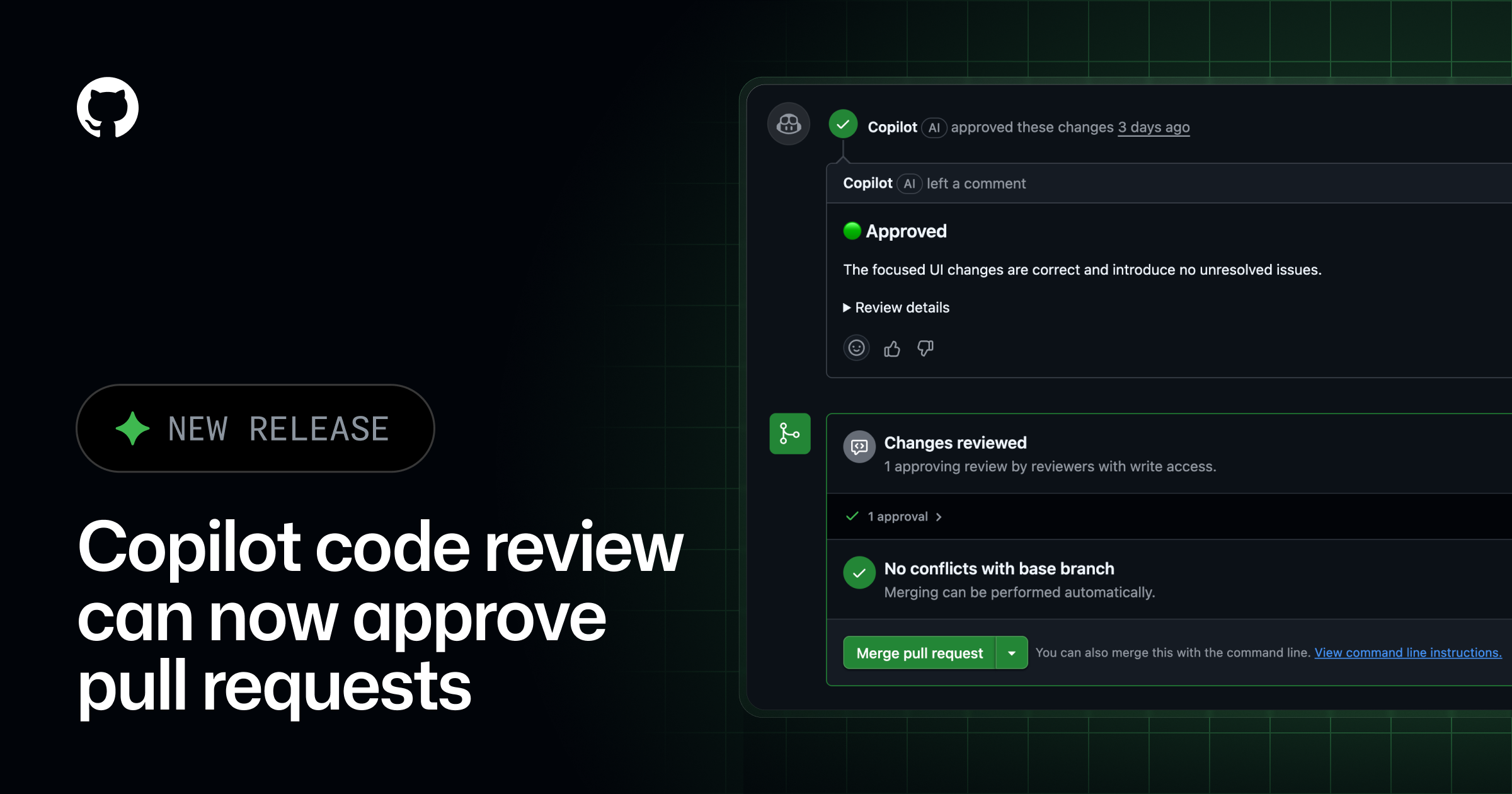
GitHub Copilot Can Now Approve Pull Requests
GitHub Copilot has introduced a new feature allowing it to assess and approve pull requests, providing developers with an automated judgment on code readiness. This feature is configurable at various administrative levels, including enterprise, organization, and repository, and is available in public preview for certain GitHub plans. While Copilot's approval doesn't automatically fulfill merge requirements, it offers a quick assessment that can be acted upon by developers. This enhancement signifies a step towards more automated and efficient code review processes, though human oversight remains crucial.
GitHub Changelog
 © GitHub Changelog
Coding Toolscoding
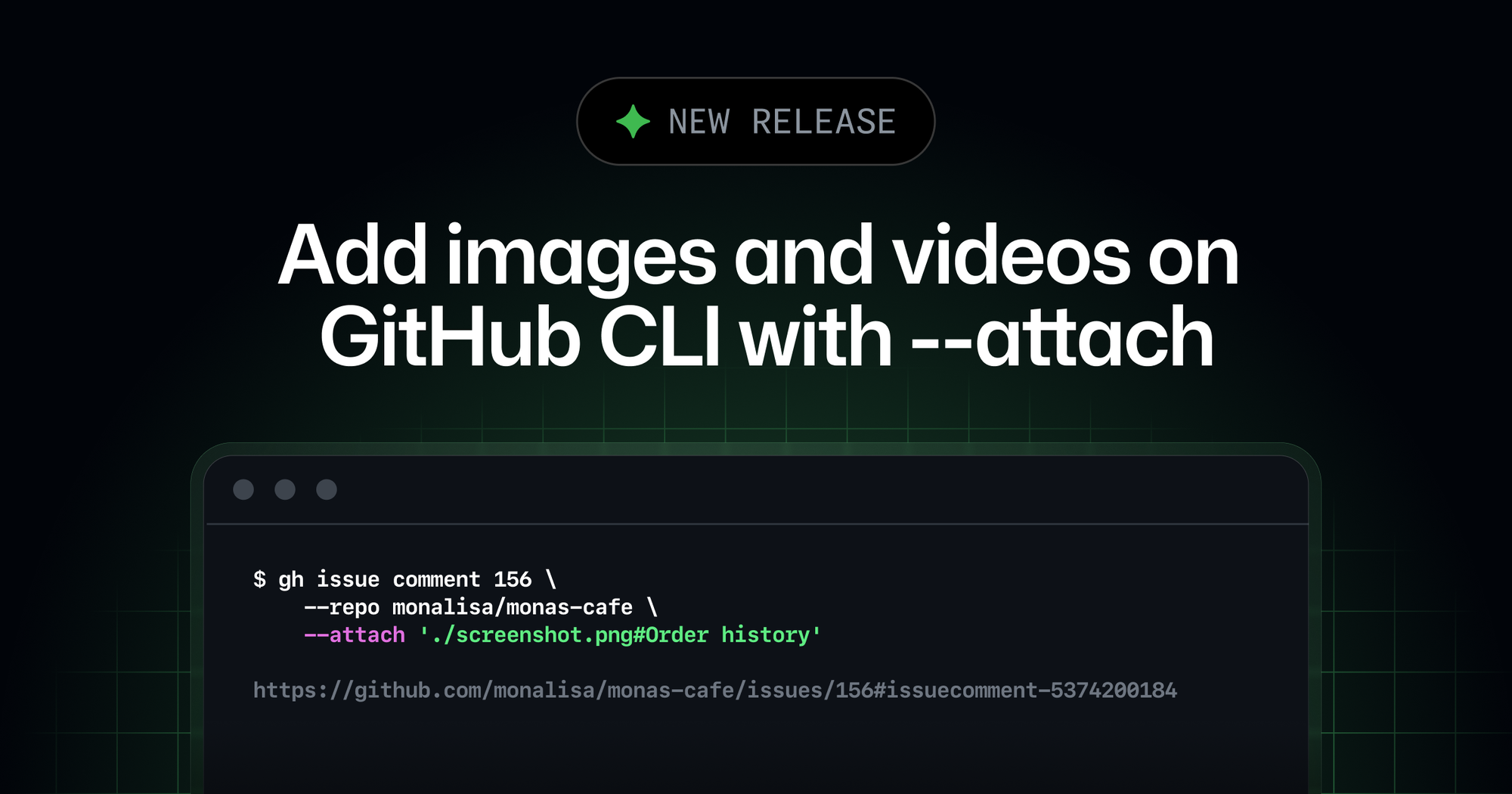
GitHub CLI v2.99.0 Adds Media Attachments
GitHub CLI's latest update, v2.99.0, introduces a significant enhancement by allowing users to attach images and videos directly from the command line using the new --attach flag. This feature streamlines the process of adding visual context to issues, pull requests, and comments, eliminating the need to switch to a browser for media uploads. By supporting various media formats like PNG, JPEG, and MP4, this update enhances the efficiency of documenting and reviewing code changes. The update is available to all GitHub users, making it easier to communicate visual information alongside text in a seamless manner.
GitHub Changelog
 © GitHub Changelog
Coding Toolscoding
GitHub Copilot Models Deprecated
GitHub has deprecated several models across its Copilot experiences, affecting features like Copilot Chat and code completions. While Claude Sonnet 4.6 remains available for individual subscribers on annual plans, enterprise users must adjust their settings to access alternative models. This change requires administrators to update workflows and integrations to ensure continued functionality. The move signals a shift in GitHub's model offerings, prompting users to adapt to the new landscape.
GitHub Changelog