Research
Open ASR Leaderboard Adds Hindi Language
Hugging Face Bloghigh confidence
Why it matters
- →Expands ASR benchmarks to include Global South languages, promoting inclusivity.
- →Addresses biases in speech recognition by incorporating diverse speaker attributes.
- →Enhances the reliability of ASR evaluations with comprehensive demographic data.

The Open ASR Leaderboard has introduced Hindi as its first Global South language, expanding its multilingual capabilities beyond European languages. This move includes two new evaluation sets, Monsoon en-IN and Monsoon hi-IN, which are designed to capture a diverse range of speaker attributes and conditions. The initiative aims to address biases in automated speech recognition by providing a more comprehensive assessment of ASR systems. This development is a step towards more inclusive and representative benchmarks in the field of speech recognition.
Read originalMore in Research
 © TechCrunch AI
Researchresearch
Anthropic Explores Self-Improving AI with New Paper
Anthropic's latest research paper offers a glimpse into the future of AI self-improvement, showcasing a system that can autonomously enhance model alignment. Led by fellow Chen Yueh-Han, the study demonstrates how automated systems can outperform human researchers in improving alignment benchmarks, all while operating at a fraction of the cost. This development hints at a future where AI models could refine their own training processes, potentially reducing the need for human intervention. However, the approach's success hinges on the accuracy of the benchmarks and the quality of the literature it draws from.
TechCrunch AI
 © WIRED AI
Researchresearch
AI May Surpass Doctors in Key Medical Tasks
A recent article in the Journal of the American Medical Association argues that AI could soon outperform human doctors in essential medical tasks. The authors, including Ezekiel Emanuel and Vinod Khosla, suggest that AI might provide superior care by 2030, challenging the traditional role of physicians. This prediction is based on a review of studies indicating AI's growing capabilities in diagnosis, treatment, and chronic disease management. While some experts, like John Whyte of the AMA, express skepticism, the potential shift raises questions about the future role of doctors in a healthcare system increasingly reliant on AI.
WIRED AI
 © MIT News AI
Researchresearch
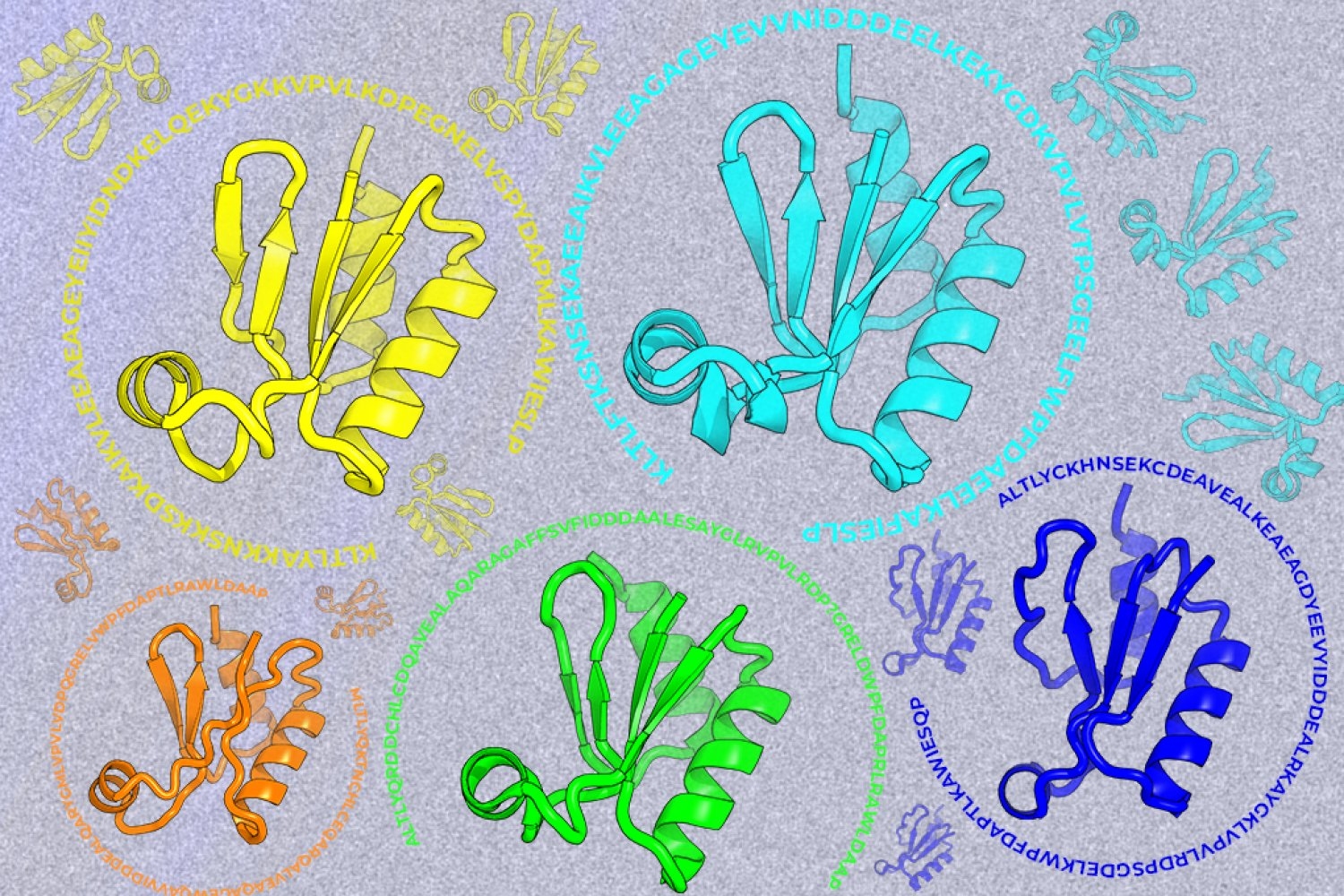
MIT Develops PottsMPNN for Protein Design
MIT researchers have introduced PottsMPNN, a machine-learning framework that enhances protein design by focusing on the sequence-energy landscape rather than mimicking native sequences. This approach allows for the creation of novel proteins with structures that don't resemble any found in nature, potentially revolutionizing biological engineering. By incorporating physical principles and evolutionary information, PottsMPNN improves the prediction of protein stability and the effects of mutations. This advancement could lead to significant breakthroughs in designing proteins for diverse applications, marking a shift in how AI is used in biological research.
MIT News AI