Coding Tools
Windows 11 arm64 VS2026 image now available
GitHub Changeloghigh confidence
Why it matters
- →Developers can now leverage the latest Visual Studio 2026 in their GitHub Actions workflows.
- →The update may require changes for workflows dependent on older Visual Studio versions.
- →This reflects GitHub's ongoing efforts to keep its development tools current.
GitHub has announced the general availability of the Windows 11 arm64 image with Visual Studio 2026 for its hosted runners. Developers using GitHub Actions can now update their workflow files to run on this new image, which will become the default by September 30, 2026. This update may affect workflows that depend on Visual Studio 2022, requiring developers to make necessary adjustments. The move highlights GitHub's efforts to provide up-to-date development environments for its users.
Read originalMore from GitHub Changelog
 © GitHub Changelog
Coding Toolscoding
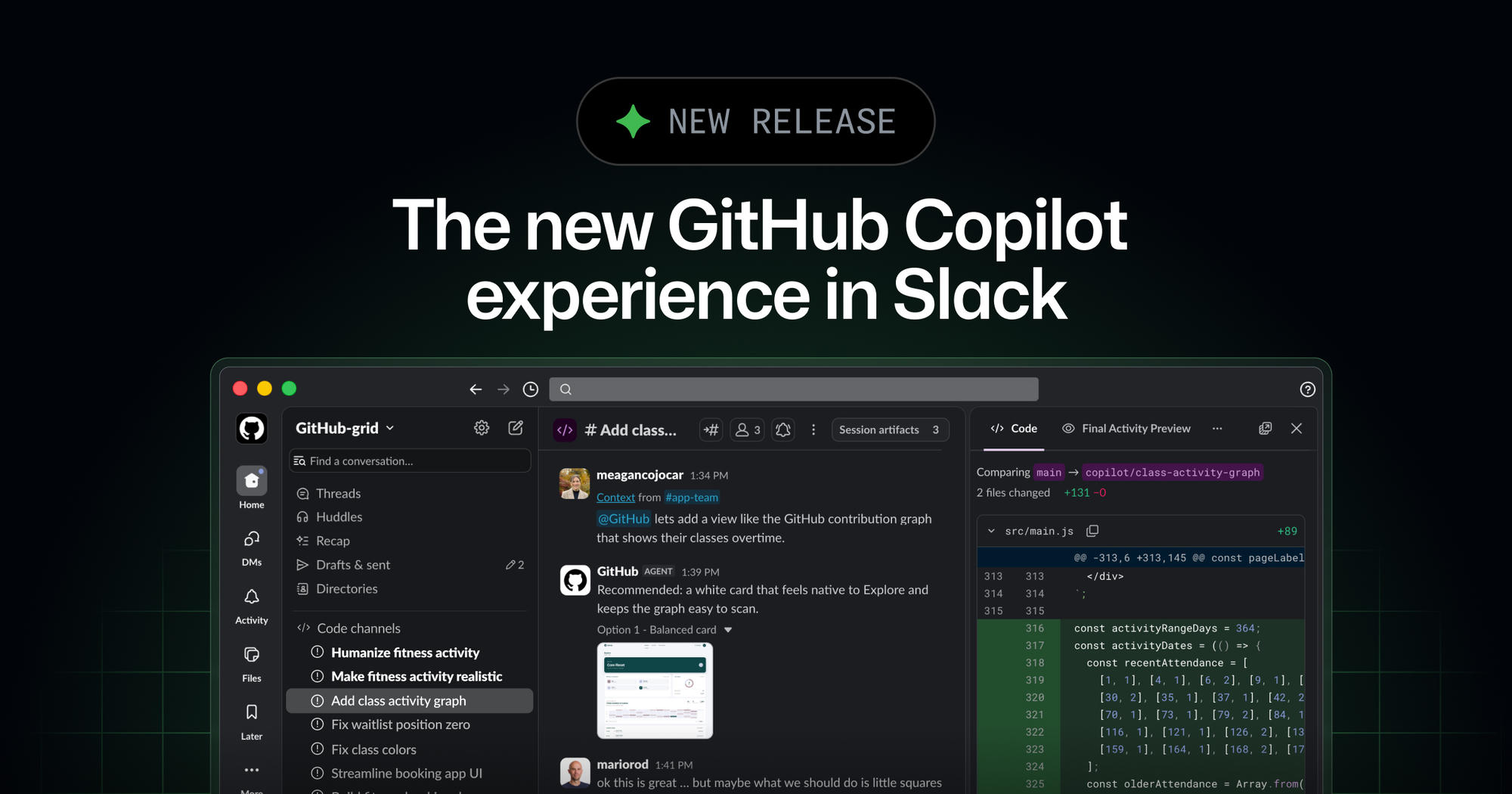
GitHub Copilot Integrates with Slack in Public Preview
GitHub has introduced a public preview of its Copilot integration with Slack, allowing teams to leverage AI-driven coding assistance directly within their communication channels. This integration enables users to plan changes, investigate issues, and manage coding tasks seamlessly from Slack, enhancing collaboration and productivity. By mentioning @GitHub in Slack, teams can initiate agent sessions that utilize GitHub context to answer questions, triage bugs, and even open pull requests. This move brings AI capabilities into the flow of team conversations, making it easier for developers to learn from each other and maintain oversight while using AI tools.
GitHub Changelog
 © GitHub Changelog
Agentsagents
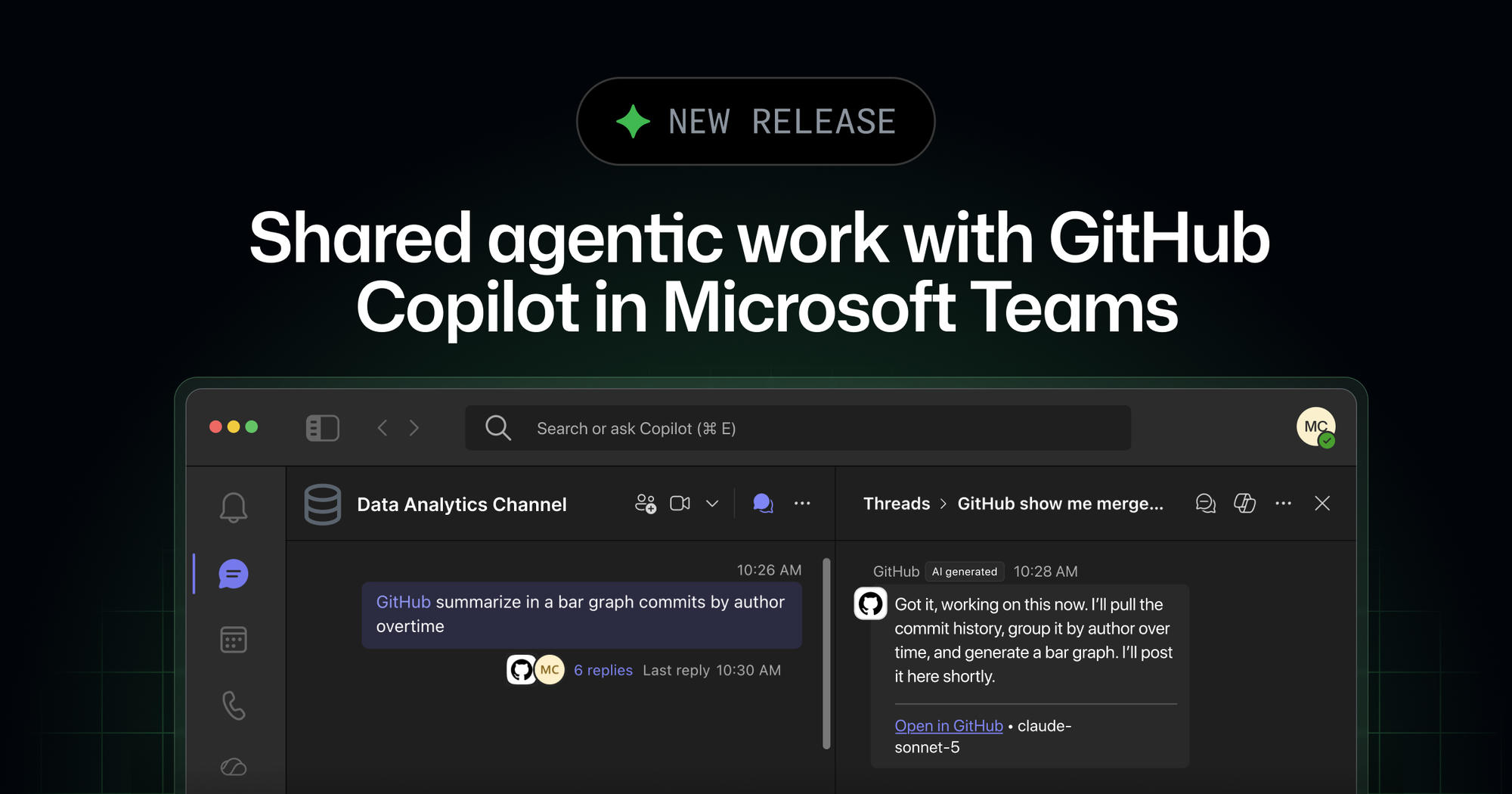
GitHub Copilot Integrates with Microsoft Teams
GitHub Copilot's integration with Microsoft Teams marks a significant step in collaborative software development. By allowing team members to initiate and direct Copilot sessions directly from Teams, it streamlines the process of turning discussions into actionable tasks. This integration enables real-time collaboration where participants can guide Copilot's investigations and see results collectively. The feature is available in public preview for paid GitHub Copilot plans, offering a new way to manage and execute tasks asynchronously in a secure cloud environment. This development enhances productivity by embedding AI-driven assistance directly into team communication channels.
GitHub Changelog
 © GitHub Changelog
Coding Toolscoding
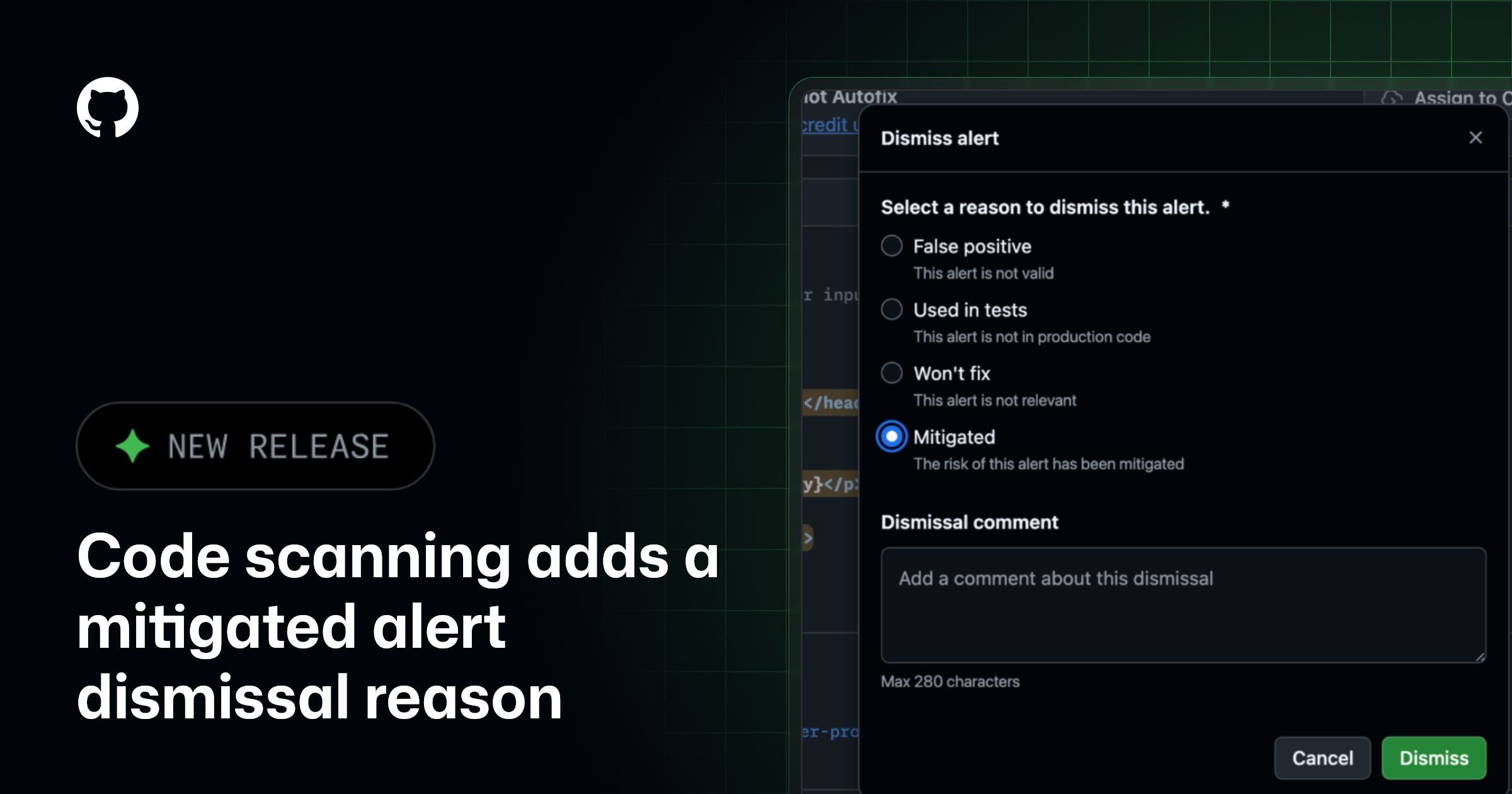
GitHub Adds Mitigated Alert Dismissal for Code Scanning
GitHub has introduced a new feature for its code scanning tool, allowing developers to dismiss alerts with a 'Mitigated' reason. This update is significant for teams managing vulnerabilities, as it distinguishes between issues that are actively mitigated by external controls and those simply marked as 'Won’t fix'. By aligning dismissals with formal risk-acceptance processes, GitHub reduces the need for external tracking of these decisions. This change streamlines vulnerability management directly within the platform, enhancing workflow efficiency for developers.
GitHub Changelog
More in Coding Tools
Coding Toolscoding
Claude Code v2.1.239 Update Released
The latest update to Claude Code, version 2.1.239, brings a host of fixes and improvements aimed at enhancing user experience and functionality. Notably, the update addresses issues with cloud sessions, proxy handling, and session management, ensuring smoother operation across various environments. It also introduces new features like the fullscreen renderer offer on previously excluded setups and improved cost estimation for US-only inference. These changes make Claude Code more robust and user-friendly, particularly for developers working in diverse technical setups.
Claude Code Releases
 © The Rundown AI
Coding Toolscoding
Slack introduces collaborative coding feature
Slack is transforming coding into a collaborative effort with its new feature, Slack Code. This innovation allows team members, regardless of their technical expertise, to participate in software development directly within Slack channels. By integrating AI agents like ChatGPT and GitHub, teams can guide and monitor coding sessions in real-time. This move positions Slack as a central hub for AI-human collaboration in software development, making it easier for diverse teams to contribute and oversee projects without leaving the messaging platform.
The Rundown AI
Coding Toolscoding
AI Tools Boost TypeScript's Dominance on GitHub
The rise of AI coding tools has unexpectedly reinforced the dominance of the JavaScript family, particularly TypeScript, on GitHub. Contrary to predictions that AI would make language choice irrelevant, the focus has narrowed to languages like TypeScript due to their compatibility with AI-generated code. This shift is driven by the need for reliable, type-safe code that AI tools can produce efficiently, making TypeScript a preferred choice for developers. As a result, the bottleneck in software development has moved from code generation to code verification, highlighting the importance of type systems in modern coding practices.
AI News