Coding Tools
AI Tools Boost TypeScript's Dominance on GitHub
AI Newshigh confidence
Why it matters
- →AI tools are reinforcing the dominance of specific programming languages like TypeScript.
- →Type systems are becoming crucial for safe and efficient AI-assisted development.
- →The shift in bottlenecks from code generation to verification changes development dynamics.
AI coding tools have significantly contributed to the rise of TypeScript as the most used language on GitHub by August 2025. Despite expectations that AI would make programming languages less relevant, the focus has narrowed to JavaScript and TypeScript due to their compatibility with AI-generated code. This shift is driven by the need for reliable, type-safe code, which TypeScript provides, making it a preferred choice for developers. Consequently, the bottleneck in software development has shifted from code generation to verification, emphasizing the importance of type systems.
Read originalThe story around this
Earlier coverage that leads up to this article, and what followed. Lines connect each piece to the closest one after it, converging here.
How we got here
- 1AI Tools Empower Personal Software Revolution
The Verge AI · May 14, 2026 · Background
- 2Together AI's Inference Engine Outperforms Competitors
Together AI Blog · May 19, 2026 · Background
- 3GitHub Copilot Enhances Model Selection in VS Code
GitHub Changelog · May 20, 2026 · Related
- 4AI Agents Revolutionize Coding with Claude Code
WIRED AI · May 26, 2026 · Background
- 5Developers Reluctant to Code Without AI Tools
TechCrunch AI · May 29, 2026 · Related
- 6Wasmer leverages Codex for Node.js edge runtime
OpenAI · June 3, 2026 · Background
- 7AI Engineers Use Loops Instead of Prompts
Cole Medin · June 18, 2026 · Related
- 8CodeQL 2.26.0 Enhances Security with AI Detection
GitHub Changelog · July 10, 2026 · Background
What happened next
- 9Exploring the Open Source AI Stack
Together AI Blog · September 9, 2026 · Background
- 10MIT Develops AI Method for Safety-Critical Tasks
MIT News AI · September 14, 2026 · Background
- 11Typesafe AI launches Jev for high-speed classification
Sam Witteveen · September 18, 2026 · Background
- 12Jev: A Decision-Only AI Model for Agents
Cole Medin · September 21, 2026 · Background
- 13Typesafe AI Launches Jev Decision Model
Matt Wolfe · September 28, 2026 · Background
More in Coding Tools
 © The Verge AI
Coding Toolscoding
Microsoft Surface RTX Spark Dev Box Preorders Open
Microsoft is selling a dedicated AI development rig for $5,999, targeting developers who need local inference power without building their own hardware. The device pairs Nvidia’s Arm-based RTX Spark platform with 128GB of unified memory, enabling it to run models exceeding 120B parameters on-device. It ships pre-configured with Windows 11 Pro and essential dev tools like VS Code and GitHub Copilot, effectively bundling the software stack with the silicon. This moves local AI from a DIY enthusiast project to a standardized enterprise-grade appliance, albeit at a premium price point that limits it to professional workflows rather than consumer hobbyists.
The Verge AI
 © GitHub Changelog
Coding Toolscoding
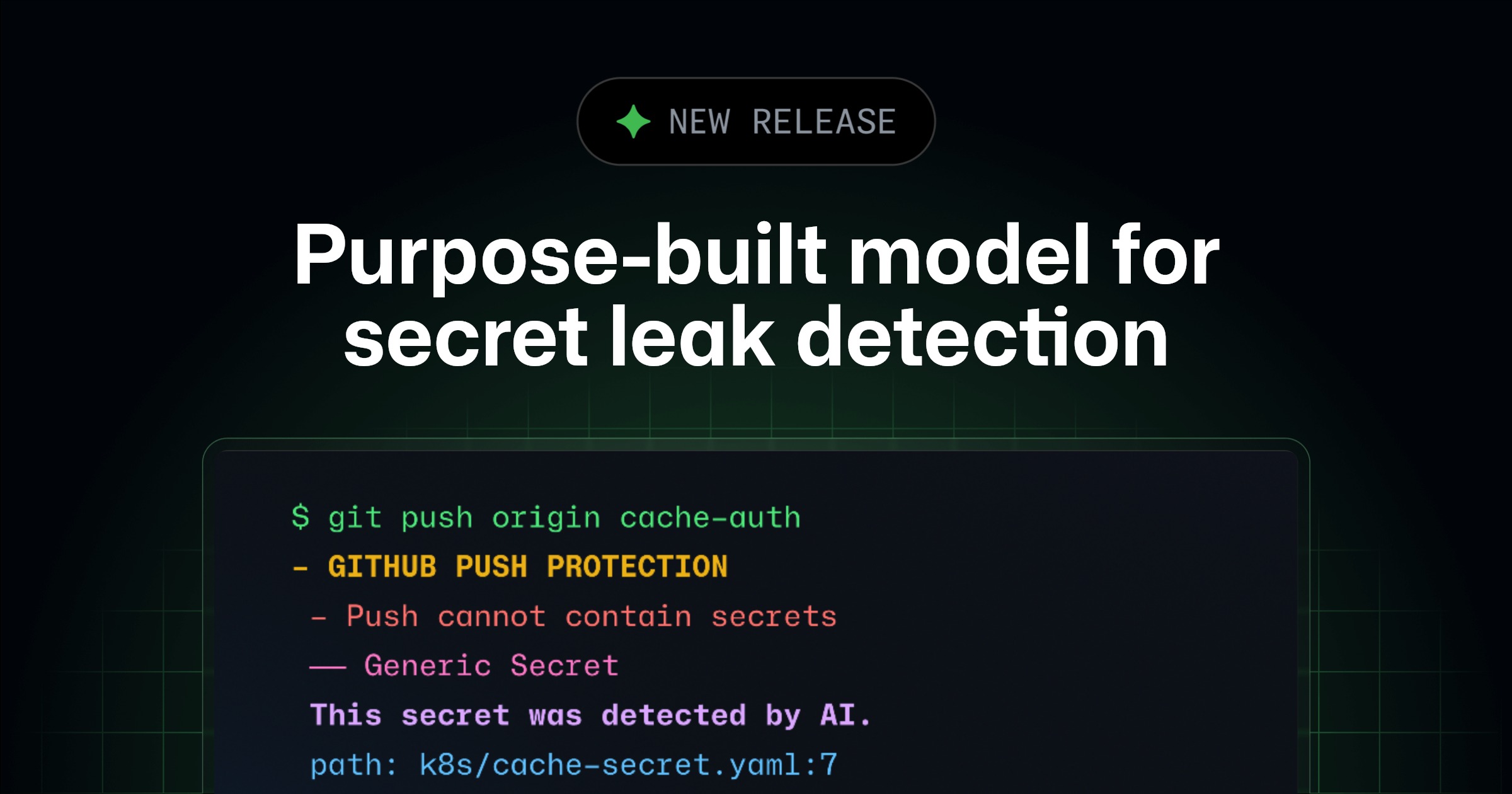
GitHub deploys fine-tuned model for secret detection
GitHub is replacing its regex-based secret scanning with a purpose-built AI model that understands code context to catch unstructured credentials like passwords without standard token formats. This shift moves security from pattern matching to semantic understanding, catching leaks that traditional tools miss before they hit repository history via push protection. The upgrade is automatic for existing GHSP/GHAS customers, but new opt-in features in Copilot and push protection will consume AI Credits, introducing a usage-based cost layer to what was previously free. This marks a significant pivot in how developers handle security, blending LLM capabilities directly into the CI/CD pipeline.
GitHub Changelog
 © GitHub Changelog
Coding Toolscoding
GitHub Copilot adds local sandboxing for agents
GitHub Copilot finally addresses the security risks of autonomous coding by introducing local sandboxing across its CLI, app, and VS Code extensions. Powered by Microsoft’s MXC technology, this feature creates a strict execution boundary that restricts agent access to files, networks, and credentials based on developer-defined policies. This is a critical step for enterprise adoption, allowing organizations to enforce security controls without blocking the utility of agentic workflows. It shifts Copilot from a passive assistant to a controlled autonomous actor with clear operational limits.
GitHub Changelog