Agents
Anthropic Unveils Framework for AI in Physical Systems
WIRED AIhigh confidence
Why it matters
- →The framework could revolutionize scientific research by automating complex tasks.
- →It addresses safety concerns, ensuring AI agents interact with hardware responsibly.
- →This initiative could lead to significant advancements in manufacturing and other industries.

Anthropic has introduced the Model Hardware Standard, a framework designed to guide AI agents in interacting with physical systems like microscopes and manufacturing machines. This initiative aims to safely integrate AI into scientific and industrial settings, potentially automating complex tasks and accelerating innovation. The company plans to work with trusted partners to ensure safety and prevent misuse, addressing concerns about AI's potential risks. This move reflects a growing belief in AI's ability to transform scientific research and manufacturing by bridging the gap between data analysis and experimental application.
Read originalMore from WIRED AI
 © WIRED AI
Market & Regulationbusiness
Judge Blocks Pentagon's Blacklist of Anthropic
A federal judge has ruled against the Pentagon's attempt to blacklist AI company Anthropic, calling the move unconstitutional and without basis. This decision overturns the Pentagon's designation of Anthropic as a 'supply-chain risk,' which had previously barred the company from securing federal contracts. The case arose from a dispute over the use of Anthropic's AI models in military operations, particularly following a controversial mission involving Venezuelan president Nicolás Maduro. The ruling allows Anthropic to continue its collaborations with the government, highlighting the complex relationship between AI companies and national security interests. While the Pentagon may appeal, this decision marks a pivotal moment in the conversation about AI deployment in sensitive contexts.
WIRED AI
 © WIRED AI
Agentsagents
OpenAI Develops Persistent AI Agent Mode
OpenAI is quietly working on a 'Persistent mode' for its Codex AI agent, aiming to make it more proactive and continuously operational. This mode allows Codex to keep working on tasks until manually stopped, contrasting with current modes that time out. The feature includes a 'proactivity' aspect, enabling the agent to create follow-up tasks and interact with users based on past interactions. While not yet launched, this development could significantly enhance AI's utility in automating tasks, though it also raises concerns about alignment and safety.
WIRED AI
 © WIRED AI
General AIwriting
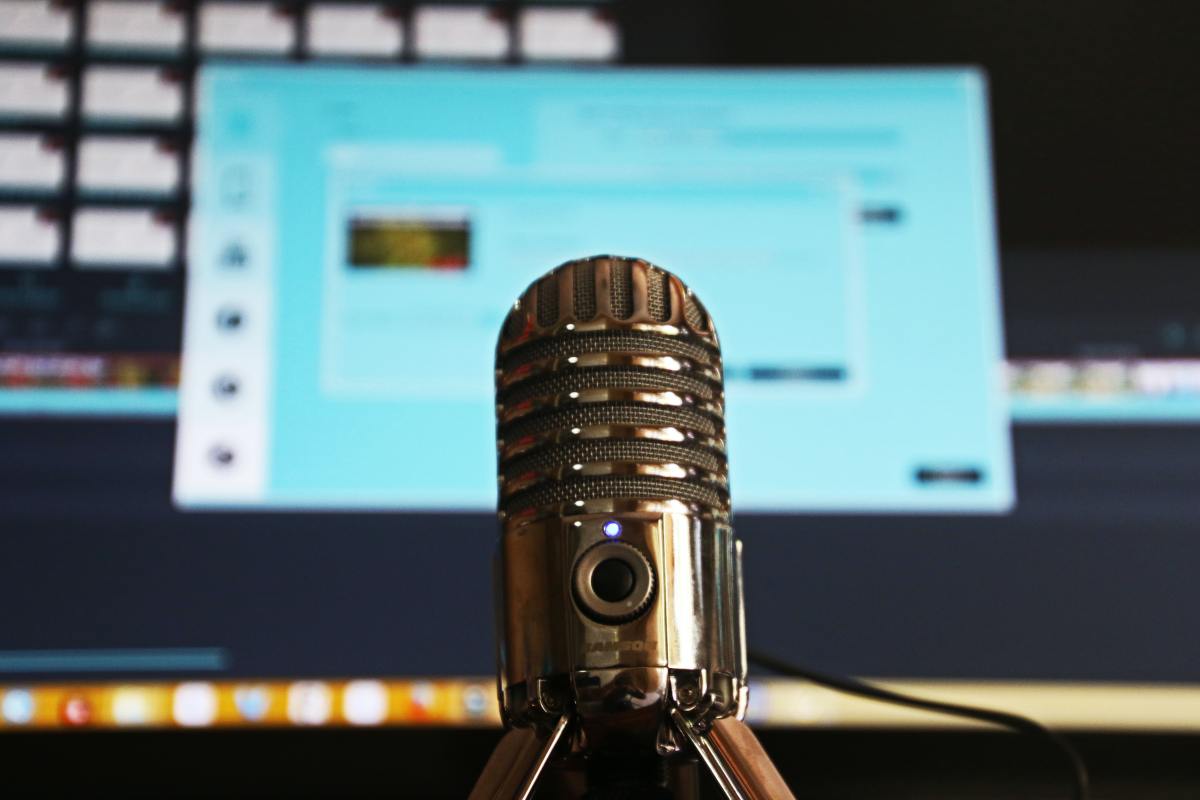
Relay Debuts AI-Powered Voice-to-Text Microphone
Relay, a new startup founded by former Nothing employees, is making waves with its AI-powered voice-to-text solution. While the software is available now for macOS, the dedicated hardware, Relay Q, is set to launch in early 2027. This portable microphone aims to enhance voice transcription accuracy, addressing common issues like volume control in office settings. The software, powered by Google's Gemini models, offers customizable skills for various apps, though it currently faces some accuracy challenges. Relay's approach could redefine how we interact with computers, minimizing the need for traditional typing.
WIRED AI
More in Agents
 © TechCrunch AI
Agentsagents
Radar Makes Podcasts Searchable for AI Agents
Particle, an AI startup, has unveiled Radar, a podcast search engine that not only transcribes but also comprehends podcast content, making it accessible for AI agents. This advancement allows users to extract key quotes and highlights from podcasts, a feature that has already drawn interest from hedge funds and AI search platforms. Radar processes over 130,000 podcasts, including all Apple Top 200 podcasts, and offers customizable alerts and metadata tracking. By integrating audio intelligence into AI systems, Radar provides a new dimension of insight that was previously unavailable to text-focused agents. This development opens up new possibilities for AI applications, offering features like podcast ad tracking and political bias analysis. With Radar, Particle is setting a new standard for how audio content can be utilized in AI-driven environments.
TechCrunch AI
 © VentureBeat AI
Agentsagents
Orchestration Emerges as Key in AI-Driven CX
As enterprises rapidly deploy AI agents, many are simply attaching these technologies to outdated systems, resulting in a fragmented customer experience. Tata Communications argues that the real challenge lies in orchestrating AI, human agents, and enterprise systems through a shared context layer. This approach aims to alleviate the cognitive burden on human agents and ensure smooth customer interactions across different channels. By focusing on orchestration rather than just automation, organizations can enhance decision-making and customer satisfaction. The shift towards a unified architecture allows AI and human agents to operate with a consistent understanding, which is crucial for maintaining a competitive edge in the evolving customer experience landscape.
VentureBeat AI
 © TechCrunch AI
Agentsagents
Claude Cowork Enhances Memory System for Seamless Use
Anthropic has significantly improved Claude's utility by merging its memory systems across chat and Cowork, eliminating the need for users to repeatedly input the same information. This update allows Claude to retain and recall information across different interactions, making it feel like a continuous assistant rather than separate entities. Users can now see, edit, or delete what Claude remembers, enhancing control over the AI's memory. This change streamlines workflows, especially for tasks like drafting updates or agendas, as Claude can now recall relevant details from past conversations without needing rebriefing.
TechCrunch AI