Coding Tools
GitHub Copilot August Update Enhances Control
GitHub Changeloghigh confidence
Why it matters
- →Developers gain more control over AI model reasoning and usage.
- →Organization-level custom agents enhance team collaboration and efficiency.
- →Adjustable thinking effort allows for tailored AI assistance, optimizing resource use.
GitHub has released an August update for Copilot in Visual Studio 2026, enhancing control over AI model usage and reasoning. Key features include organization-level custom agents, adjustable model thinking effort, and improved model management. Users can now tailor AI assistance to their specific needs, whether for simple tasks or complex debugging. This update is available across all GitHub Copilot plans, aiming to provide a more personalized and efficient coding experience.
Read originalMore from GitHub Changelog
 © GitHub Changelog
Coding Toolscoding
GitHub Copilot Enhances Customization and Performance
GitHub Copilot's latest updates empower developers with enhanced control and flexibility in their coding environments. The introduction of the Customize tab allows users to manage MCP servers, plugins, and skills in a unified interface, simplifying their workflow. The Copilot CLI has been upgraded with a native Rust runtime, delivering a noticeable boost in performance. These enhancements, along with improved session management and integration with tools like Azure DevOps, make Copilot a more effective assistant for developers. The updates aim to refine the user experience, making it easier to manage and personalize AI-driven coding assistance.
GitHub Changelog
 © GitHub Changelog
Market & Regulationbusiness
GitHub Copilot Updates Policies and Billing for 2026
GitHub is preparing to roll out major changes to its Copilot policies and billing system starting in 2026. These updates will impact both new and existing Copilot Business and Enterprise customers, especially those using credit card or PayPal for payments. Customers will face upfront charges for seat assignments, and a new unified Copilot experience will be introduced, combining Copilot Chat and cloud agent services into a single offering. This unified experience will be activated by default, aiming to streamline user interactions. Additionally, the default review effort level for Copilot code reviews will transition from Lite to Balanced. These changes are designed to enhance the reliability of services and simplify user management, but administrators will need to review and possibly adjust their policies accordingly.
GitHub Changelog
 © GitHub Changelog
Coding Toolscoding
GitHub Copilot Expands Code Review Capabilities
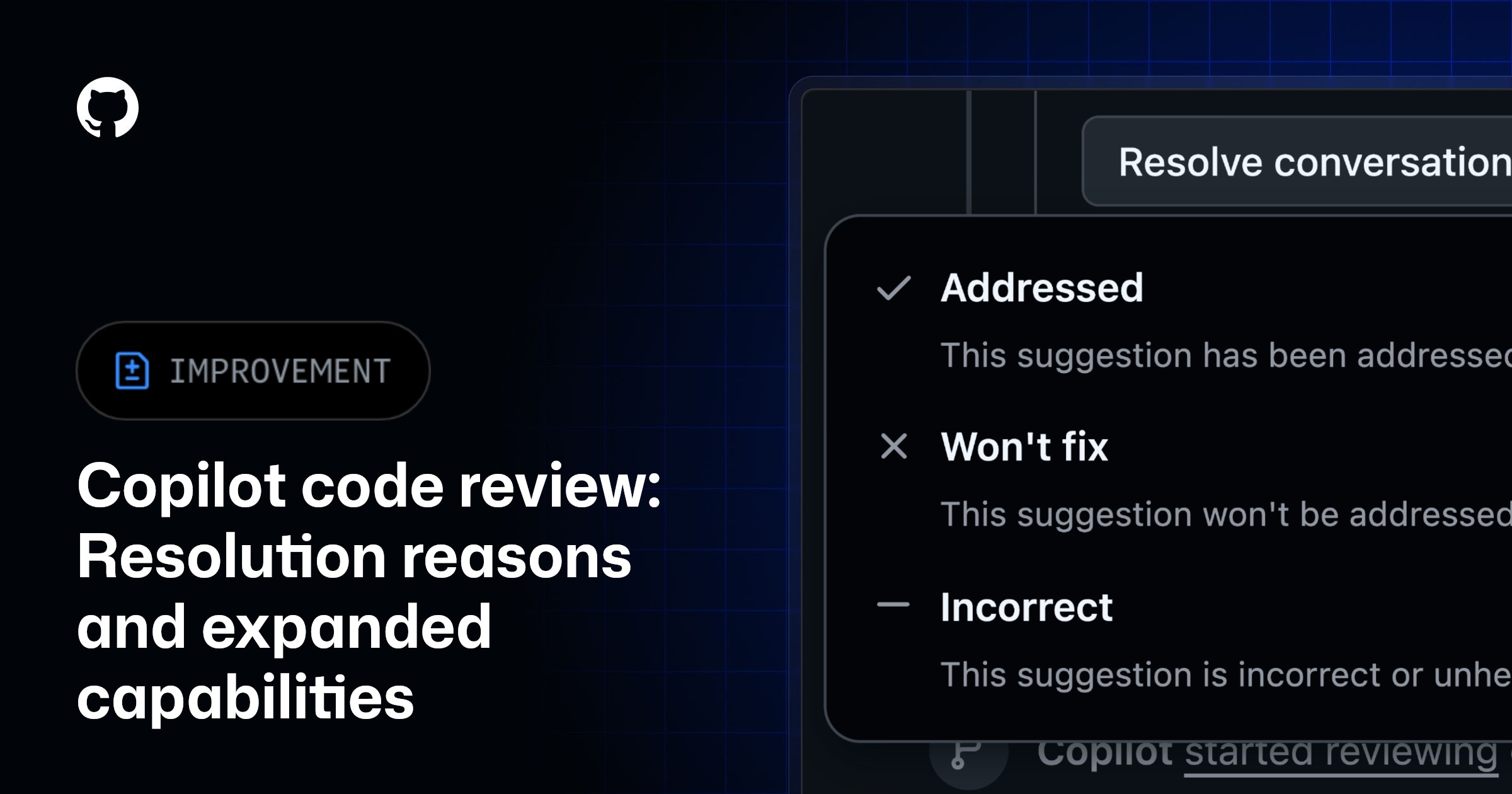
GitHub's Copilot code review has expanded its capabilities, now able to handle pull requests authored by bots and very large pull requests without previous limitations. This update allows organizations to use Copilot code review even without individual Copilot licenses, billing usage directly to the organization. Additionally, users can now specify reasons for resolving Copilot code review comments, providing valuable feedback to improve the tool. These enhancements make Copilot code review more versatile and user-friendly, especially for large-scale projects and automated workflows.
GitHub Changelog
More in Coding Tools
Coding Toolscoding
Claude Code v2.1.247 Update Released
The latest Claude Code update, version 2.1.247, brings significant improvements to user interaction and functionality. A notable addition is the SendFeedback tool, which allows users to easily draft feedback reports when issues occur, enhancing the feedback process. The update also introduces a cost-optimization feature for Claude API users, enabling them to better manage expenses through various cost levers. Numerous bug fixes have been implemented to improve stability, such as resolving session management and keyboard shortcut issues. These enhancements collectively make Claude Code a more reliable and efficient tool for developers, offering a smoother experience.
Claude Code Releases
Coding Toolscoding
Claude Code v2.1.248 Update Released
The latest update to Claude Code, version 2.1.248, introduces several enhancements and fixes aimed at improving user experience and functionality. Notably, it adds a restricted mode to limit command execution and introduces a cache TTL for agent prompts, enhancing performance in long sessions. The update also addresses various bugs, such as prompt-cache misses and session management issues, ensuring smoother operation. These changes make Claude Code more robust and user-friendly, particularly for developers managing complex workflows.
Claude Code Releases
 © Matt Wolfe
Coding Toolsproductivity
Free Business Productivity App 'Control Center' Launched
Matt Wolfe has launched 'Control Center', a free productivity app designed to centralize business operations. The app is available for download and customization on GitHub.
Matt Wolfe