GitHub has announced the general availability of Enterprise Teams on its Enterprise Cloud platform. This feature allows enterprise administrators to define user groups once and apply them across multiple organizations, simplifying team management. It supports up to 2,500 teams and 5,000 members per team, offering scalability for large enterprises. Integration with identity providers like Okta ensures efficient management of team memberships. This development streamlines administrative tasks and enhances collaboration across enterprise organizations.
Read original
© GitHub ChangelogGitHub has expanded its Copilot code review capabilities, making agent skills and MCP server integration available to Pro, Business, and Enterprise users. These features allow teams to embed their internal tools and coding standards directly into the code review process, providing more tailored and context-rich reviews. By linking to third-party platforms like issue trackers and documentation systems, Copilot can draw in relevant information to enhance the review process. This update marks a significant advancement in AI-assisted code reviews, offering a more customized and informed approach for development teams using GitHub.
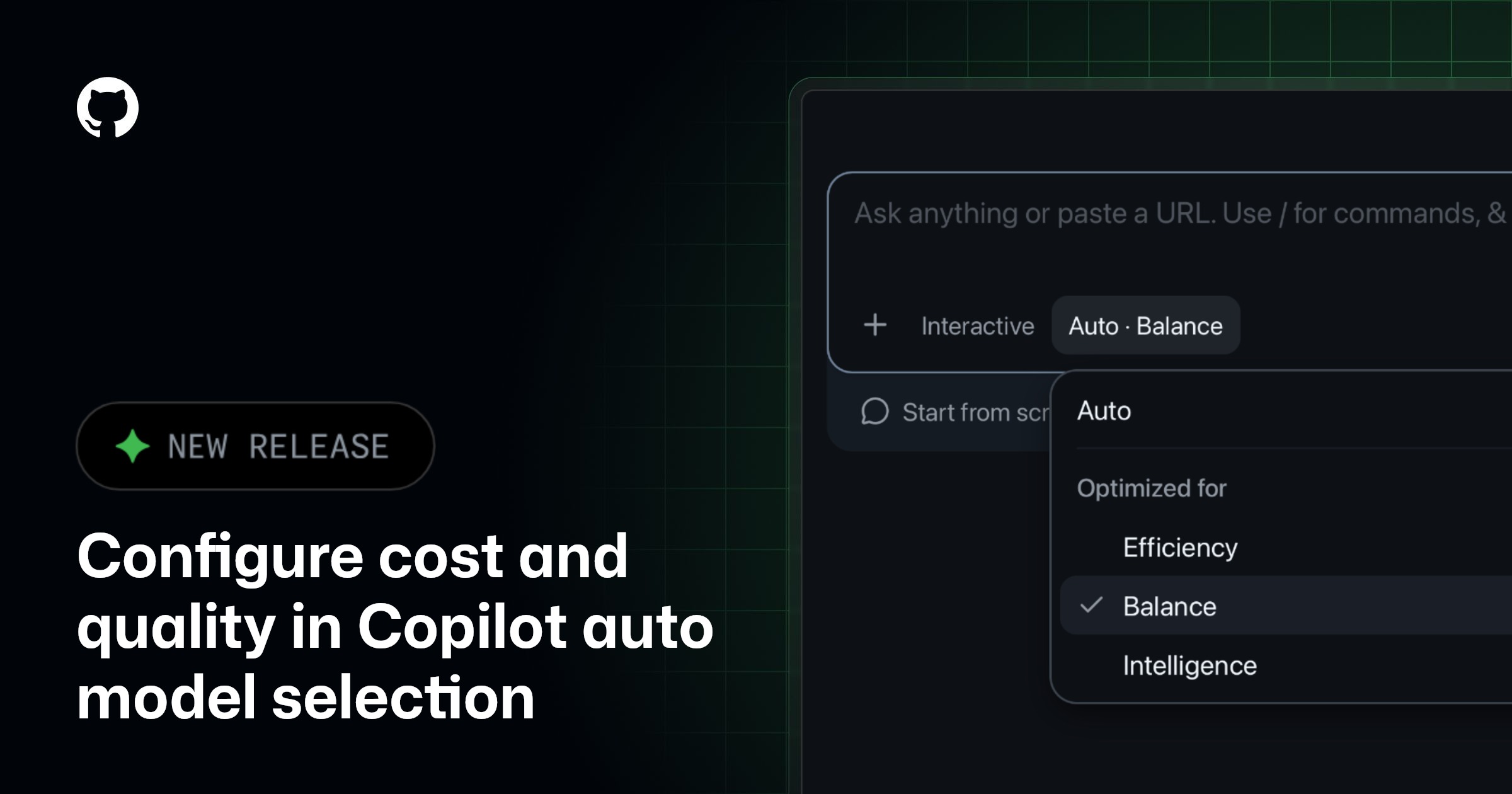
© GitHub ChangelogGitHub is making it easier for Business and Enterprise users to access new Copilot models by implementing a default enablement policy. This change means that new models will automatically be available unless administrators decide to opt out, reducing the need for manual activation. The policy will be effective from August 26, giving organizations a 28-day period to adjust their settings if they prefer manual control. This approach minimizes the administrative workload and ensures users can quickly benefit from the latest AI advancements, while still allowing organizations to maintain oversight by opting out if necessary.
© GitHub ChangelogThe latest update to CodeQL, version 2.26.1, brings significant improvements to the static analysis engine used in GitHub code scanning. This release enhances framework coverage for languages like Go, Java/Kotlin, and JavaScript/TypeScript, while also reducing false positives in Rust analysis. Notably, it introduces better modeling for Go's structured logging and recognizes Angular decorators in JavaScript/TypeScript. These updates mean developers can expect more accurate security issue detection and remediation, making CodeQL a more reliable tool for maintaining secure codebases.
© TechCrunch AIMicrosoft is positioning itself as a formidable competitor to AI giants OpenAI and Anthropic by promoting its own AI models and infrastructure. CEO Satya Nadella emphasizes the importance of enterprises maintaining control over their AI systems, advocating for a diverse model approach to avoid dependency on any single provider. This strategy is underscored by Microsoft's development of the MAI family of models and the Maya AI chips, which promise cost-effective and efficient performance. By offering a broad catalog of models, Microsoft aims to provide enterprises with flexible and secure AI solutions, challenging the dominance of established AI labs.
The music industry is taking a significant step towards AI governance with a coalition of major and independent labels proposing principles for AI-generated music chart eligibility. This initiative, alongside a new AI labeling program, aims to establish a framework for transparency and accountability in AI music production. By standardizing AI metadata and disclosure, the industry hopes to improve royalty administration and reduce fraud. While legal challenges remain, this collaborative effort marks a pivotal move towards managing AI's impact on music.
© TechCrunch AIMark Zuckerberg envisions a future where billions of people have personal AI agents within five years, capable of managing tasks like finances and health. This ambitious vision aligns with Meta's ongoing investments in AI infrastructure, despite significant financial losses in its Reality Labs division. While Meta's stock has taken a hit, the company is doubling down on AI, partnering with BlackRock to build a $14 billion data center. The success of Meta's business agents on platforms like WhatsApp suggests a potential path forward, but scaling to billions of consumer agents remains a formidable challenge.