Market & RegulationInvestment · $234M
Sarvam becomes India's newest AI unicorn
TechCrunch AIhigh confidence
Why it matters
- →Sarvam's funding highlights India's growing role in the global AI market.
- →The investment supports the development of AI models tailored for Indian languages and sectors.
- →HCLTech's involvement provides strategic resources for commercialization and expansion.

Sarvam, a Bengaluru-based AI company, has raised $234 million in a funding round led by HCLTech, reaching a valuation of $1.5 billion. This positions Sarvam as India's newest AI unicorn, highlighting the country's growing importance in the AI market. The funding will support Sarvam's development of AI models for Indian languages and sectors, with applications in banking, insurance, and government services. HCLTech's investment provides Sarvam with strategic support to commercialize its technology and expand its reach.
Read originalMore from TechCrunch AI
 © TechCrunch AI
Market & Regulationbusiness
US Government Forces Anthropic to Pull AI Models
The U.S. government's decision to force Anthropic to take its AI models, Fable 5 and Mythos 5, offline has sent shockwaves through the tech industry. This move, justified by an export control directive over national security concerns, raises significant questions about governmental influence over AI technologies. Anthropic suspects the directive is linked to a guardrail bypass issue, though specifics remain undisclosed. Cybersecurity experts have criticized the decision as rash and potentially harmful to the credibility of U.S. AI products on the global stage. This incident could signal a new era of government oversight in AI, affecting how American-made software is perceived and utilized internationally.
TechCrunch AI
 © TechCrunch AI
General AIwriting
Meta Introduces 'AI Mode' on Facebook
Meta is enhancing Facebook with 'AI Mode,' a feature that leverages AI to provide synthesized answers from public posts across the platform. This move aims to transform user interaction by allowing questions to be asked in plain language, with responses drawn from discussions in Groups and Reels. While this could make information retrieval more intuitive, it raises concerns about the reliability of user-generated content. Additionally, new AI-powered editing tools and photo presets are being introduced, further integrating AI into user experiences. These updates reflect Meta's strategy to increase engagement and diversify revenue streams through AI innovations.
TechCrunch AI
 © TechCrunch AI
Market & Regulationbusiness
Cybersecurity Experts Protest US Ban on Anthropic Models
A coalition of cybersecurity veterans is challenging the U.S. government's decision to restrict the export of Anthropic's Fable and Mythos models, arguing it hampers cybersecurity efforts. The models, known for their ability to identify vulnerabilities, have been pulled from defenders' toolkits, raising concerns about national security. The government's decision, reportedly based on a non-public Amazon paper, has been criticized for lacking transparency and potentially weakening defensive capabilities. The experts call for regulations that are transparent and based on scientific research, emphasizing the need for AI tools in cybersecurity defense.
TechCrunch AI
More in Market & Regulation
 © Sifted
Market & Regulationbusiness
US restricts Anthropic's AI model access to foreigners
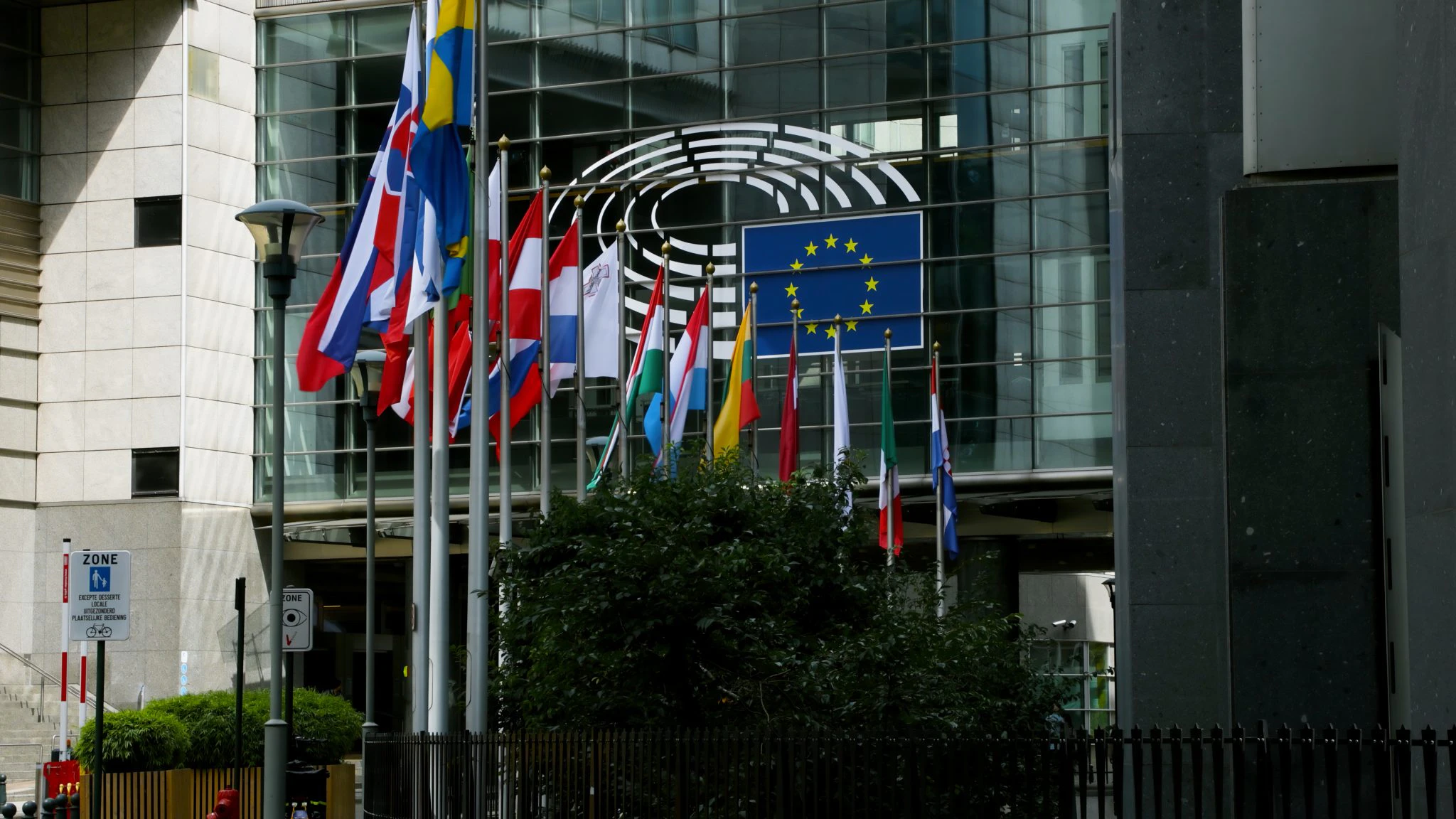
The US government's directive to Anthropic to limit access to its advanced AI models for foreign nationals has stirred the European tech community. This action reflects the increasing geopolitical friction over AI technology and its distribution. Europe's reliance on US-based AI solutions is now under scrutiny, prompting discussions about the need for self-sufficiency in AI development. The decision signals a shift in how AI capabilities are controlled and shared globally. For Europe, this is a wake-up call to bolster its own AI infrastructure to avoid being sidelined in the global tech landscape.
Sifted
 © WIRED AI
Market & Regulationbusiness
DOJ Supports xAI in National Security Lawsuit
The Department of Justice has stepped into a legal battle involving xAI, asserting that stopping its gas turbines would compromise national security. According to the DOJ, xAI's operations are vital for AI models that assist in military tasks, including recent missions against Iran. The NAACP's lawsuit claims that these unpermitted turbines pose significant health risks, but xAI and the DOJ argue their necessity for powering critical AI innovations. This situation brings to the forefront the ongoing conflict between adhering to environmental regulations and advancing national defense capabilities through AI.
WIRED AI
 © The Verge AI
Market & Regulationmodels
US Halts Anthropic's Mythos 5 AI Model Release
In a significant move, the US government has halted Anthropic's release of its Mythos 5 and Fable 5 AI models, citing concerns over potential security vulnerabilities. This decision came after reports suggested that a China-linked group might have accessed the technology, prompting fears of a jailbreak in the model's safeguards. Anthropic, which had been working closely with government agencies, now faces a major setback as it scrambles to address these concerns and negotiate with the Trump administration. This development could have far-reaching implications for the AI industry, potentially giving China an edge in the AI race.
The Verge AI