Market & Regulation
DeepL Cuts 250 Jobs to Focus on AI
Siftedhigh confidence
Why it matters
- →DeepL's restructuring reflects the growing importance of AI integration in tech companies.
- →The move indicates a shift towards more advanced AI applications beyond traditional translation services.
- →DeepL's proactive approach may set a precedent for other companies in the AI sector.
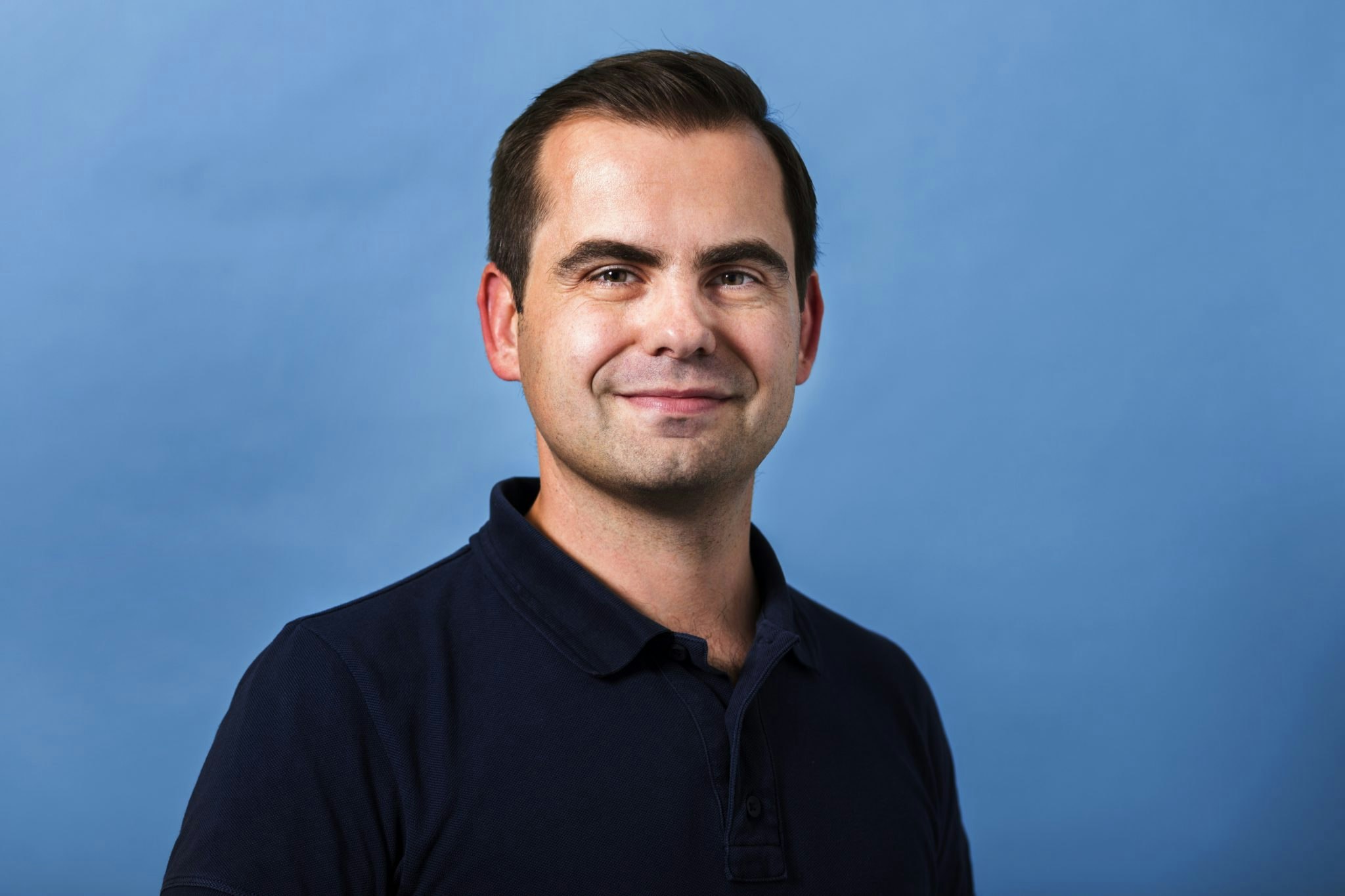
DeepL, a translation startup based in Cologne, is laying off 250 employees as part of a strategic overhaul to enhance its AI capabilities. CEO Jarek Kutylowski stated that the decision is aimed at embedding AI into every aspect of the company's operations to maintain its position as a global AI leader. The company, which employs over 1,000 people, is also developing a real-time voice translation tool and has acquired a team from Mixalo, an audio streaming startup. This move underscores DeepL's commitment to evolving in the rapidly changing AI industry.
Read originalThe story around this
Earlier coverage that leads up to this article, and what followed. Lines connect each piece to the closest one after it, converging here.
How we got here
- 1Google DeepMind Workers Push to Unionize Over AI Ethics
WIRED AI · May 5, 2026 · Background
What happened next
- 2Meta lays off 8,000 to fund AI investments
The Verge AI · May 21, 2026 · Background
- 3Monday.com lays off 20% to focus on AI
TechCrunch AI · July 22, 2026 · Background
- 4Monday.com cites AI in major workforce reduction
TechCrunch AI · July 26, 2026 · Background
- 5DeepMind Shakeup Challenges UK's AI Goals
Sifted · August 10, 2026 · Background
- 6Google DeepMind Faces Major Leadership Shakeup
The Verge AI · August 13, 2026 · Background
More from Sifted
Investment · £540m
Market & Regulationbusiness
Fractile raises £540m Series C
Fractile has secured a massive £540 million Series C, signaling intense capital competition for the UK’s leading AI chip designer. This valuation underscores the strategic pivot toward domestic semiconductor sovereignty in Europe, moving beyond software to hard infrastructure. The funding validates Fractile’s approach to custom silicon for large language models, positioning it as a critical alternative to NVIDIA’s dominance in the European market. Investors are betting heavily on the premise that sovereign AI requires sovereign hardware.
Sifted
Investment · €7.1m
Market & Regulationbusiness
MuRay raises €7.1m for AI rocket engine inspection
Deeptech startup MuRay has secured €7.1 million to deploy AI-driven computer vision for inspecting rocket engines. This funding targets the development of systems that can see inside complex combustion chambers, a task traditionally reliant on manual human inspection or invasive physical probes. By automating this critical quality control step, MuRay aims to reduce downtime and improve safety in aerospace manufacturing. The deal highlights growing investor interest in specialized industrial AI applications beyond consumer tech.
Sifted
Investment · $90M
Market & Regulationbusiness
Fintech closes $90m round at $800m valuation
A fintech company has secured a $90 million funding round despite not being actively fundraising, signaling strong investor confidence in its current trajectory. The deal values the company at $800 million, reflecting a mature stage of growth and stability in a volatile market. This move underscores the continued appetite for established players in the financial technology sector, even when they are not seeking capital. It suggests that investors are prioritizing proven business models over speculative early-stage ventures.
Sifted
More in Market & Regulation
 © TechCrunch AI
Market & Regulationother
Judge allows NAACP lawsuit over xAI pollution to proceed
xAI's attempt to dismiss the NAACP's Clean Air Act lawsuit failed after a federal judge ruled that its gas turbines are not exempt mobile sources and that plaintiffs have standing. This legal setback confirms that AI infrastructure operators cannot bypass environmental permitting by classifying heavy industrial equipment as temporary or mobile. The ruling forces xAI to face scrutiny over air quality impacts at its Colossus data center, setting a precedent for how large-scale compute facilities are regulated under existing environmental laws.
TechCrunch AI
 © TechCrunch AI
Investment · $20B
Market & Regulationbusiness
OpenAI cuts funding target to $20B amid tepid demand
OpenAI is scaling back its ambitions as investor appetite for massive AI infrastructure bets cools. The company has lowered its fundraising target from $30 billion to $20 billion, with only $11 billion secured so far against a valuation that has dropped from $1.4 trillion. This retreat signals a growing wariness among Wall Street investors regarding the capital intensity of the AI race, forcing even the most dominant players to adjust their financial expectations.
TechCrunch AI
 © The AI Daily Brief
Market & Regulationbusiness
Legal AI startup Crosby bids for Weil’s assets
Crosby, a legal AI startup, has placed a bid for the assets of law firm Weil.
The AI Daily Brief