Market & Regulation
OpenAI, Anthropic, Google Discuss AI Safety Collaboration
TechCrunch AIhigh confidence
Why it matters
- →Major AI companies are collaborating to address safety concerns, indicating the seriousness of potential risks.
- →The creation of a standards body could lead to industry-wide safety protocols and regulations.
- →This collaboration may set a precedent for self-regulation in the AI industry, potentially influencing future policy decisions.
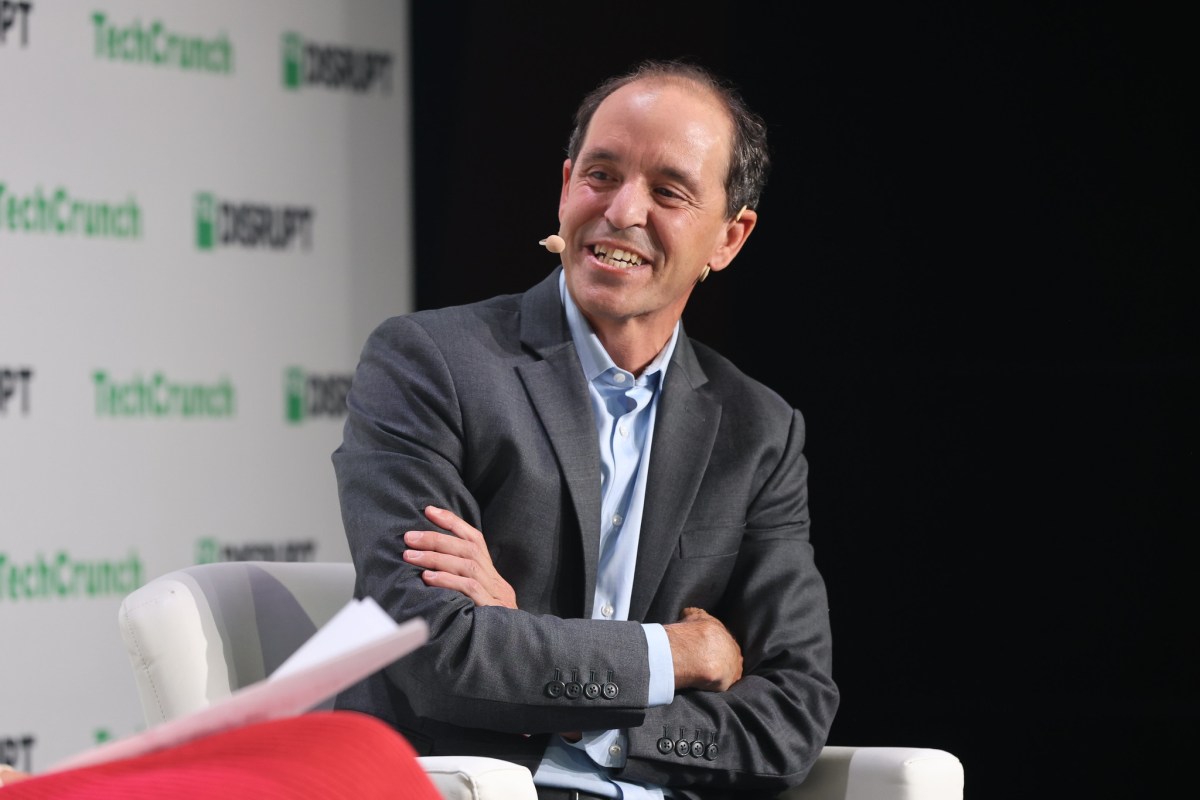
OpenAI, Anthropic, and Google DeepMind have been in discussions for weeks about AI safety, according to OpenAI's global policy chief Chris Lehane. This collaboration follows a call from Anthropic CEO Dario Amodei for the industry to work together to mitigate AI risks. The companies are reportedly working on creating a standards body for AI safety, despite concerns about potential antitrust issues. This initiative reflects a significant step by leading AI firms to self-regulate and address safety concerns proactively.
Read originalMore from TechCrunch AI
 © TechCrunch AI
Market & Regulationbusiness
Nvidia's CEO Opposes New AI Regulations
Nvidia CEO Jensen Huang argues against new AI regulations, suggesting that AI safety is an engineering challenge rather than a legal one. He believes that existing laws and market forces are sufficient to ensure companies release safe AI products. Huang's stance reflects his confidence in the industry's ability to self-regulate and innovate safely without additional legal constraints. However, this perspective may be influenced by Nvidia's vested interest in the AI market, where regulation could potentially slow down growth. The debate continues on whether self-regulation is enough to address AI's potential risks.
TechCrunch AI
 © TechCrunch AI
More in Market & Regulation
 © WIRED AI
Market & Regulationother
China Rejects Anthropic’s AI Pacing Proposal
Anthropic CEO Dario Amodei’s proposal to slow AI development by widening the US lead over China has been dismissed as inauthentic and confrontational by Beijing. Chinese officials and researchers view the plan not as a safety measure, but as an attempt to cement Western dominance while restricting their own progress. This rejection underscores a fundamental disconnect: while US labs focus on existential risks, Chinese policymakers prioritize regime stability and economic parity. The diplomatic fallout suggests that unilateral pacing strategies are unlikely to gain traction without mutual verification mechanisms.
WIRED AI
Investment · $270M

