Market & RegulationInvestment · $50M
Ex-DeepMind Team Raises $50M for AI Startup Inherent
Siftedhigh confidence
Why it matters
- →Inherent aims to bridge the gap in AI's ability to identify valuable scientific questions.
- →The startup's approach could transform how scientific breakthroughs are achieved.
- →With significant funding, Inherent is well-positioned to explore new frontiers in AI-driven research.
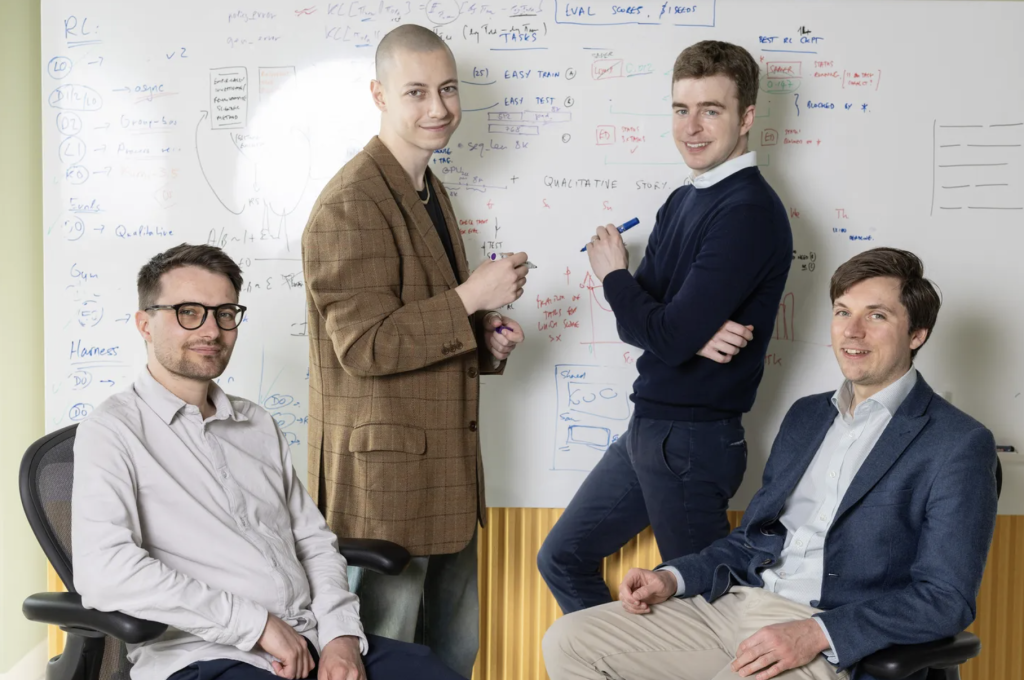
Inherent, a London-based AI startup founded by ex-DeepMind researchers, has raised $50 million to develop a new approach to scientific research called 'AI-native science.' The funding round was led by Index Ventures, with participation from Radical Ventures. Inherent's platform, Faraday, aims to combine human scientific inquiry with AI to generate novel inventions. The startup seeks to address the current limitations of AI in identifying valuable scientific questions, potentially revolutionizing the research landscape.
Read originalMore from Sifted
Market & Regulationagents
AI Agents Outpace European Regulation Efforts
AI agents are advancing at a speed that European regulators are struggling to match, creating a significant challenge for oversight. The rapid pace of AI innovation is outstripping the ability of regulators to implement effective controls, raising concerns about potential risks. This situation demands more agile and responsive regulatory frameworks to keep pace with technological advancements. As AI agents become increasingly autonomous and capable, the urgency for effective regulation becomes more pronounced. The current gap between innovation and regulation underscores the need for swift action to ensure safety and ethical standards in AI development.
Sifted
Researchresearch
ETH Zurich students create first Swiss humanoid robot
ETH Zurich students have engineered what they claim to be the first Swiss humanoid robot, marking a notable achievement in the country's robotics sector. This project exemplifies the innovative spirit and technical expertise of Swiss engineering students. The team is now actively seeking funding to further develop and potentially commercialize their humanoid creation. This endeavor not only showcases the students' capabilities but also positions Switzerland as an emerging contender in the global robotics arena.


