Market & RegulationInvestment · $3.2B
AfterQuery becomes Y Combinator's fastest unicorn
TechCrunch AIhigh confidence
Why it matters
- →AfterQuery's rapid valuation increase highlights the demand for AI that mimics expert decision-making.
- →The startup's success demonstrates the potential of AI training-data companies in the market.
- →Y Combinator's backing and the fast unicorn status signal strong investor confidence in AfterQuery's approach.

AI training-data startup AfterQuery has reached a $3.2 billion valuation, becoming Y Combinator's fastest-ever unicorn. This comes just five months after its $30 million Series A round, reflecting a significant increase in valuation. The company, which trains AI models to perform tasks like professionals, counts Nvidia and Motif Technologies among its clients. This rapid growth underscores the increasing interest in AI solutions that can mimic expert decision-making processes.
Read originalMore from TechCrunch AI
 © TechCrunch AI
Models & Labsmodels
OpenAI's Astra Model Nears Release with Cybersecurity Focus
OpenAI is preparing to release its Astra model, which it claims is the first large language model to meet a critical cybersecurity threshold. Astra has demonstrated the ability to find and exploit unknown security flaws autonomously, raising both excitement and concern. OpenAI is taking precautions by limiting access to its advanced capabilities and implementing new safety measures to prevent misuse. While Astra scored perfectly on ExploitBench, its real-world impact remains to be seen as OpenAI plans further evaluations and safety disclosures upon its public release.
TechCrunch AI
 © TechCrunch AI
Models & Labsmodels
Anthropic's Fable 5.1: Cheaper, Less Restrictive AI
Anthropic's latest release, Fable 5.1, marks a significant step forward in AI accessibility and privacy. By reducing token costs and easing restrictions, Fable 5.1 offers a more affordable and flexible option for users. The introduction of zero data retention allows clients to operate the models on their own infrastructure without data outflows, addressing previous security concerns. This release also includes high-privacy services and maintains robust monitoring for misuse, ensuring user control over data. With improved performance benchmarks and novel scientific contributions, Fable 5.1 is poised to enhance AI deployment across various sectors.
TechCrunch AI
 © TechCrunch AI
Video & Creative AIimage
Google Launches AI-Powered Design Tool in Workspace
Google is stepping into the creative design arena with Google Pics, an AI-driven tool integrated into its Workspace suite. Unlike traditional design platforms like Canva, Google Pics leverages AI to generate images based on user prompts, rather than relying on pre-made templates or designs. This tool is powered by Google's Nano Banana image-generation model and offers features like object isolation, text modification, and collaborative editing. Initially available in Google Docs and Slides, it aims to streamline everyday design tasks for business and premium AI subscribers, marking a shift towards AI-assisted creativity in professional settings.
TechCrunch AI
More in Market & Regulation
Investment · €15M
Market & Regulationbusiness
Femtech Ipremom raises €15M seed funding
Ipremom, a femtech startup, has secured €15 million in seed funding to enhance its AI technology for early detection of pregnancy complications. This investment highlights the increasing role of AI in healthcare, particularly in addressing women's health issues. By focusing on early detection, Ipremom aims to improve outcomes for expectant mothers, potentially reducing risks associated with pregnancy. The funding will likely accelerate the development and deployment of their technology, making it more accessible to healthcare providers and patients. This move signifies the growing importance of AI in creating personalized and preventive healthcare solutions.
Sifted
 © The Verge AI
Market & Regulationbusiness
Google Seeks AI Licensing Deals with Hollywood Studios
Google is actively pursuing licensing agreements with major Hollywood studios to train its AI models on copyrighted content, offering substantial financial incentives. This move could help Google reshape public perception of AI by associating it with beloved characters and franchises. However, studios are cautious, aware of potential backlash from audiences and the risk of alienating their workforce. While Google stands to gain significantly from these partnerships, the studios must weigh the benefits against the potential for public and industry pushback.
The Verge AI
 © GitHub Changelog
Market & Regulationbusiness
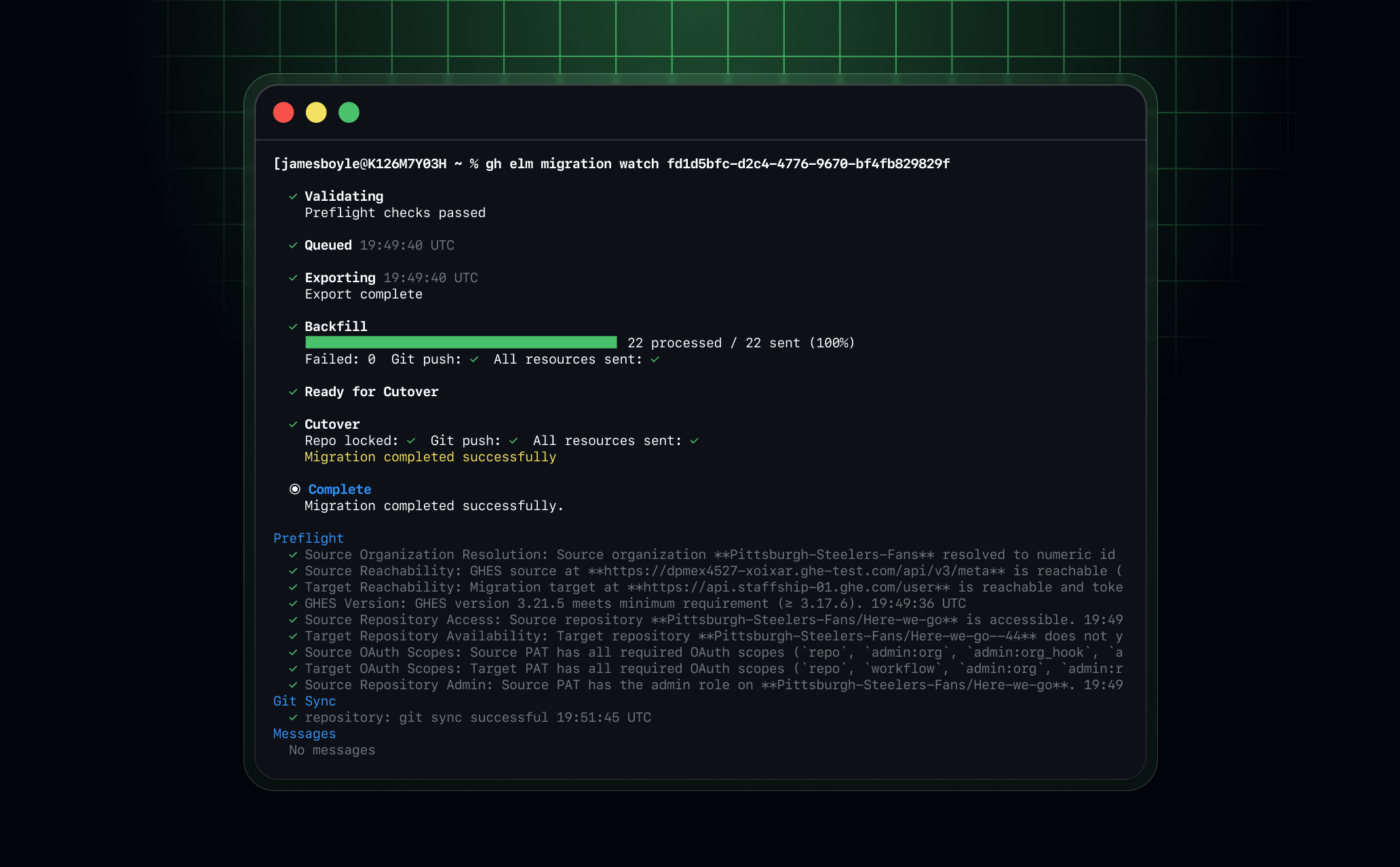
GitHub Launches Enterprise Live Migrations for GHES
GitHub's new Enterprise Live Migrations (ELM) tool is now generally available, offering a seamless way to migrate repositories from GitHub Enterprise Server to GitHub Enterprise Cloud with minimal downtime. This tool is particularly beneficial for large, active repositories, allowing continuous contributions during migration. ELM is designed to handle massive monorepos and integrates with the GitHub CLI for easy management. This development means businesses can now migrate critical repositories without disrupting their workflow, a significant advantage for globally distributed teams.
GitHub Changelog