Market & RegulationInvestment · £45M
Thena Capital raises £45M for healthcare fund
Siftedhigh confidence
Why it matters
- →Thena Capital's fund supports the growth of digital healthcare startups.
- →It facilitates UK startups' entry into the US market, expanding their reach.
- →The investment highlights the rising importance of digital health solutions.
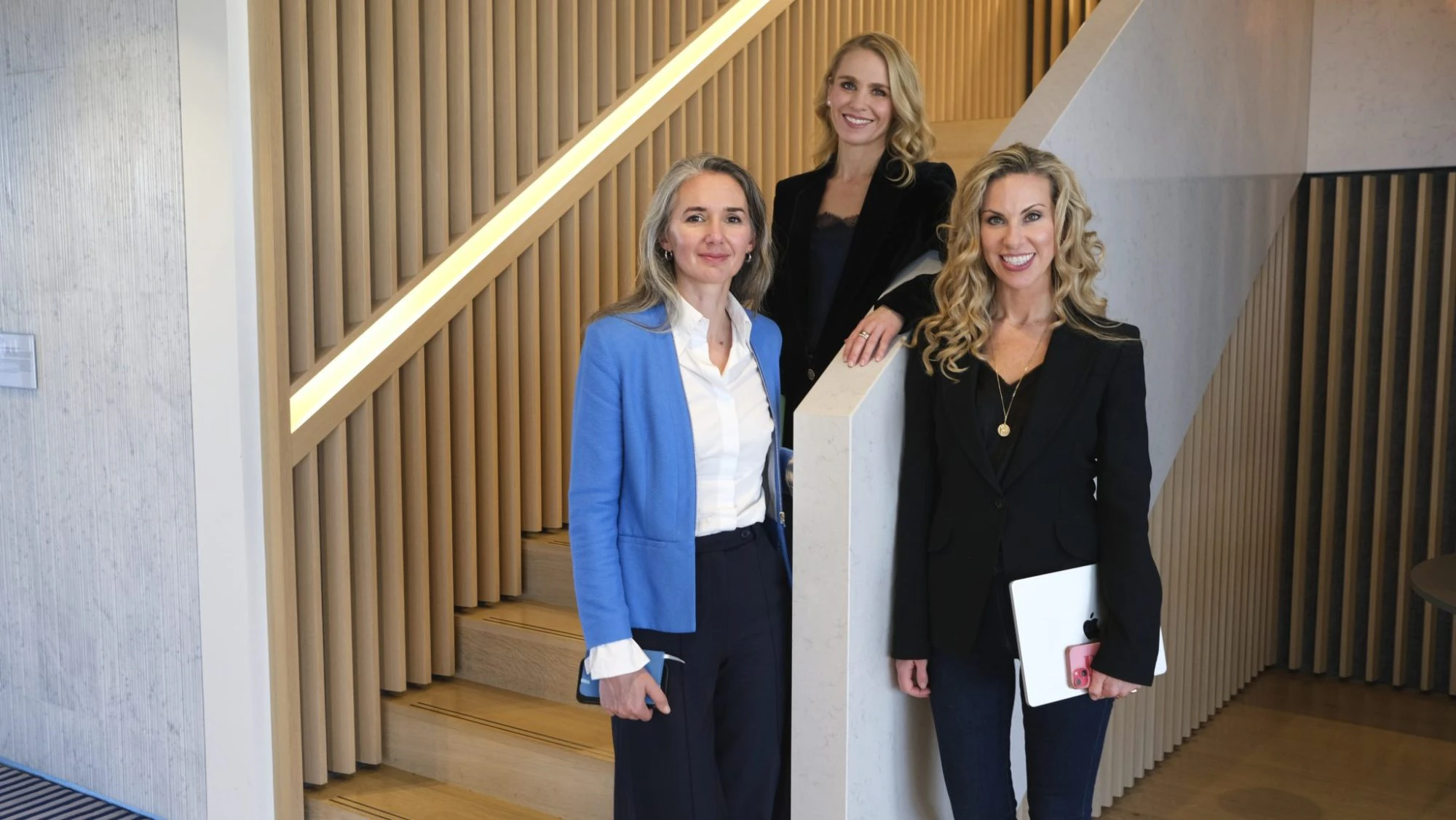
Thena Capital, a London-based firm led by an all-female team, has closed a £45 million fund to invest in digital healthcare and medical device startups. The fund aims to support UK startups in expanding their reach to the US market. This initiative underscores the increasing focus on digital health solutions and the potential for cross-border healthcare innovation. Thena Capital's move is set to enhance the growth of medical technology startups, facilitating their entry into the competitive US healthcare landscape.
Read originalMore from Sifted
Market & Regulationagents
AI Agents Outpace European Regulation Efforts
AI agents are advancing at a speed that European regulators are struggling to match, creating a significant challenge for oversight. The rapid pace of AI innovation is outstripping the ability of regulators to implement effective controls, raising concerns about potential risks. This situation demands more agile and responsive regulatory frameworks to keep pace with technological advancements. As AI agents become increasingly autonomous and capable, the urgency for effective regulation becomes more pronounced. The current gap between innovation and regulation underscores the need for swift action to ensure safety and ethical standards in AI development.
Sifted
Researchresearch
ETH Zurich students create first Swiss humanoid robot
ETH Zurich students have engineered what they claim to be the first Swiss humanoid robot, marking a notable achievement in the country's robotics sector. This project exemplifies the innovative spirit and technical expertise of Swiss engineering students. The team is now actively seeking funding to further develop and potentially commercialize their humanoid creation. This endeavor not only showcases the students' capabilities but also positions Switzerland as an emerging contender in the global robotics arena.


