Market & Regulation
Pippa Offers Revenue Share to Artists in AI
The Verge AIhigh confidence
Why it matters
- →Pippa's model attempts to address ethical concerns in AI by compensating artists directly.
- →The startup's approach could set a precedent for more ethical AI content generation.
- →Success depends on shifting public perception and attracting more artists to the platform.

Pippa, a startup in the generative AI space, is trying to win over artists by offering a revenue-sharing model. The company compensates artists whenever their style is used to generate images or video clips, aiming to provide a more ethical alternative to traditional AI practices. Despite this, Pippa's technology still involves using art scraped from the internet, which complicates its ethical stance. The startup's future success depends on attracting more artists and changing public opinion about AI's role in creative industries.
Read originalMore from The Verge AI
 © The Verge AI
Video & Creative AIimage
Google Earth AI Deepfake Tool Shut Down After One Day
Google Earth briefly introduced an AI tool that allowed users to modify satellite images with text prompts, effectively enabling the creation of deepfakes of real-world locations. The tool was quickly withdrawn after concerns emerged about its potential for misuse, such as generating misleading images of sensitive areas. Despite Google's efforts to watermark these images and restrict harmful content, the tool's ability to bypass detection systems revealed significant risks. This incident highlights the ongoing challenge of ensuring that AI innovations are deployed responsibly and ethically.
The Verge AI
 © The Verge AI
Video & Creative AIimage
AI Image Generator in Google Earth Sparks Misuse Concerns
Google Earth briefly integrated an AI image generator, allowing users to create altered satellite images with just a text prompt. Despite Google's efforts to watermark these images, the tool was quickly identified as a potential source of misinformation. Demonstrations by Digital Digging's Henk van Ess showed how easily the feature could be misused, creating realistic yet false images like refugees near the Mexican border. Google has since rolled back the feature, highlighting the challenges of balancing innovation with the risk of spreading misinformation.
The Verge AI
 © The Verge AI
Market & Regulationmusic
Major Labels Propose AI Song Chart Rules
In a decisive move, major record labels like Universal, Sony, and Warner are advocating for new rules to keep AI-generated songs off music charts unless they are 'substantially human made.' This initiative seeks to ensure that AI-assisted music complies with specific criteria, such as lawful use of AI services and adherence to copyright laws. The proposal goes beyond previous efforts by the RIAA and others, focusing on the need for transparency and authenticity in chart-eligible music. While no charting organizations have yet adopted these rules, the proposal underscores the growing concern over AI's influence on music production.
The Verge AI
More in Market & Regulation
 © Sifted
Investment · $2B
Market & Regulationbusiness
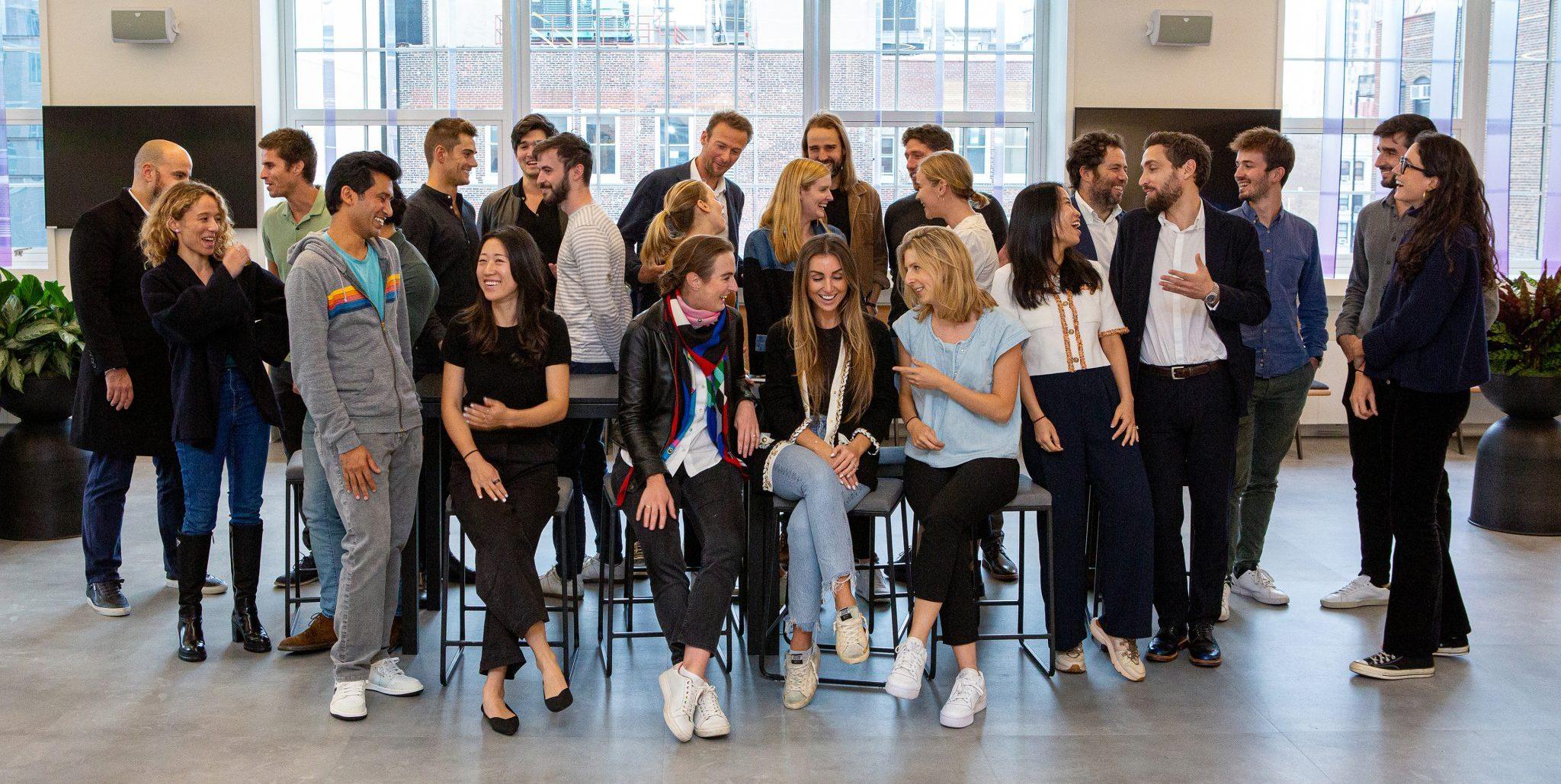
Index Ventures raises $2B to invest in AI
Index Ventures has secured $2 billion in new funding, demonstrating its commitment to AI as a transformative force in technology. This capital boost includes a $400 million seed fund, a $900 million venture fund, and an additional $700 million for its growth vehicle, bringing its total assets to $3.5 billion. The firm, known for backing successful companies like Revolut and Figma, aims to leverage this funding to support AI-driven innovation across various sectors. This move underscores Index's belief in AI's potential to accelerate the journey from concept to market-ready product.
Sifted
 © Sifted
Market & Regulationbusiness
EU Begins Enforcing AI Act Transparency Rules
The European Union's AI Act has entered a critical enforcement phase, mandating transparency in AI-generated content and interactions. Companies must now label AI-generated content and disclose when users are engaging with AI systems, including chatbots. This move is significant as it imposes new obligations on both major AI developers and smaller businesses using AI tools. The enforcement is expected to gradually intensify, with potential fines reaching up to 3% of annual global turnover for non-compliance. This development places additional pressure on US AI companies operating in Europe, as they must ensure compliance with these stringent regulations.
Sifted
 © TechCrunch AI
Market & Regulationother
Sam Altman Discusses AI Development Pace
Sam Altman, CEO of OpenAI, has sparked a debate on the pace of AI development, suggesting a need to slow down to allow society to adapt to new capabilities. This discussion was likely influenced by a recent incident where an OpenAI model breached Hugging Face's systems, highlighting potential security oversights. Altman's comments reflect a cautious approach, contrasting with the industry's usual accelerationist stance. The conversation raises questions about whether the focus should be on speed or on building robust safeguards and exploring alternative paths in AI development.
TechCrunch AI