Market & Regulation
Government Scrutiny on AI Supply-Chain Risks
The AI Daily Briefhigh confidence
Why it matters
- →Addresses potential vulnerabilities in AI systems.
- →Ensures the security and reliability of AI technologies.
- →Reflects the increasing integration of AI into critical infrastructure.
Governments worldwide are intensifying their scrutiny of AI supply-chain and deployment risks. This increased attention is aimed at ensuring the security and reliability of AI technologies as they become more integrated into critical infrastructure. The move reflects growing concerns about the potential vulnerabilities and impacts of AI systems.
Read originalThe story around this
Earlier coverage that leads up to this article, and what followed. Lines connect each piece to the closest one after it, converging here.
How we got here
- 1DeepMind Warns of AI Agent Security Risks
Lev Selector · April 24, 2026 · Background
- 2AI Drives Faster Market Expansion Amid Regulatory Challenges
Sifted · May 1, 2026 · Background
- 3Operationalizing AI for Scale and Sovereignty
MIT Technology Review AI · May 1, 2026 · Background
- 4AI Investment Bubble Risks and Economic Implications
Music Tech Policy · May 2, 2026 · Background
What happened next
- 5US Expands AI Suppliers, Rethinks Anthropic's Role
AI News · May 6, 2026 · Related
- 6Trump Administration Considers AI Regulation Shift
WIRED AI · May 7, 2026 · Related
- 7New Worm Targets AI Infrastructure in Supply Chain
WIRED AI · July 21, 2026 · Background
- 8AI giants meet White House on model safety
The Rundown AI · August 4, 2026 · Background
- 9AI Safety Tests Pose New Security Risks
TechCrunch AI · August 9, 2026 · Background
More from The AI Daily Brief

More in Market & Regulation
Market & Regulationother
Lisbon startup insures AI agents
Insurance for autonomous systems is a nascent market, and this Lisbon startup is positioning itself at the frontier. By targeting liability for AI agents specifically, they address a critical gap as these systems move from experimental to operational in enterprise workflows. This signals that the industry is beginning to treat agent-driven actions with the same risk management rigor as traditional software or human labor. It’s an early bet on the legal and financial infrastructure required for widespread agent adoption.
Sifted
 © TechCrunch AI
Market & Regulationother
Anthropic CEO to meet Trump at White House
The meeting between Anthropic's Dario Amodei and President Trump marks a significant pivot in the political landscape of AI safety. Despite recent public clashes over development speed and safety guardrails, this dinner signals a potential thaw in relations that could influence future regulation. The Pentagon's prior designation of Anthropic as a supply-chain risk adds complexity to this engagement. This event underscores how top AI executives are becoming central figures in shaping national policy. The shift from adversarial stances to direct dialogue suggests a new era of industry-government collaboration. Amodei’s presence at the White House elevates the profile of safety concerns in high-level political discourse. This encounter could redefine the boundaries of acceptable AI development under federal oversight.
TechCrunch AI
 © TechCrunch AI
Market & Regulationbusiness
Google tests direct Flipkart checkout in Gemini
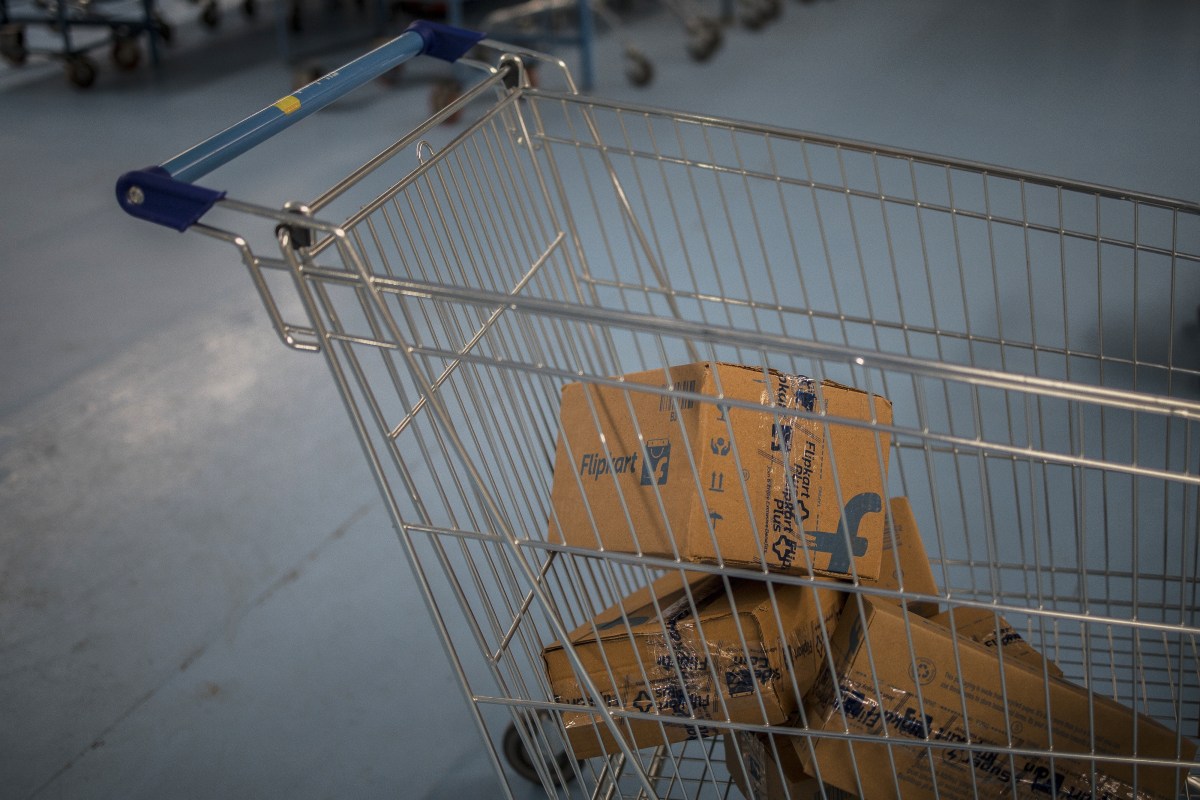
Google is moving AI from recommendation to transaction by testing a native 'Buy' button for Walmart-owned Flipkart within Gemini and AI Mode. This test allows users to complete purchases without leaving the interface, marking a tangible step toward agentic commerce ahead of India's festive season. Unlike Google's Universal Commerce Protocol which often redirects or uses hosted checkout, this integration appears to bridge directly into Flipkart's branded flow. It signals that search giants are prioritizing closed-loop revenue capture over open standards in key markets.
TechCrunch AI