Market & Regulation
Pentagon partners with Nvidia, Microsoft, AWS for AI
TechCrunch AIhigh confidence
Why it matters
- →This marks a significant step in integrating advanced AI technologies into military operations. • The agreements aim to enhance the U.S. military's capabilities and decision-making processes. • The diversification of AI vendors reflects the Pentagon's strategy to avoid reliance on a single supplier.
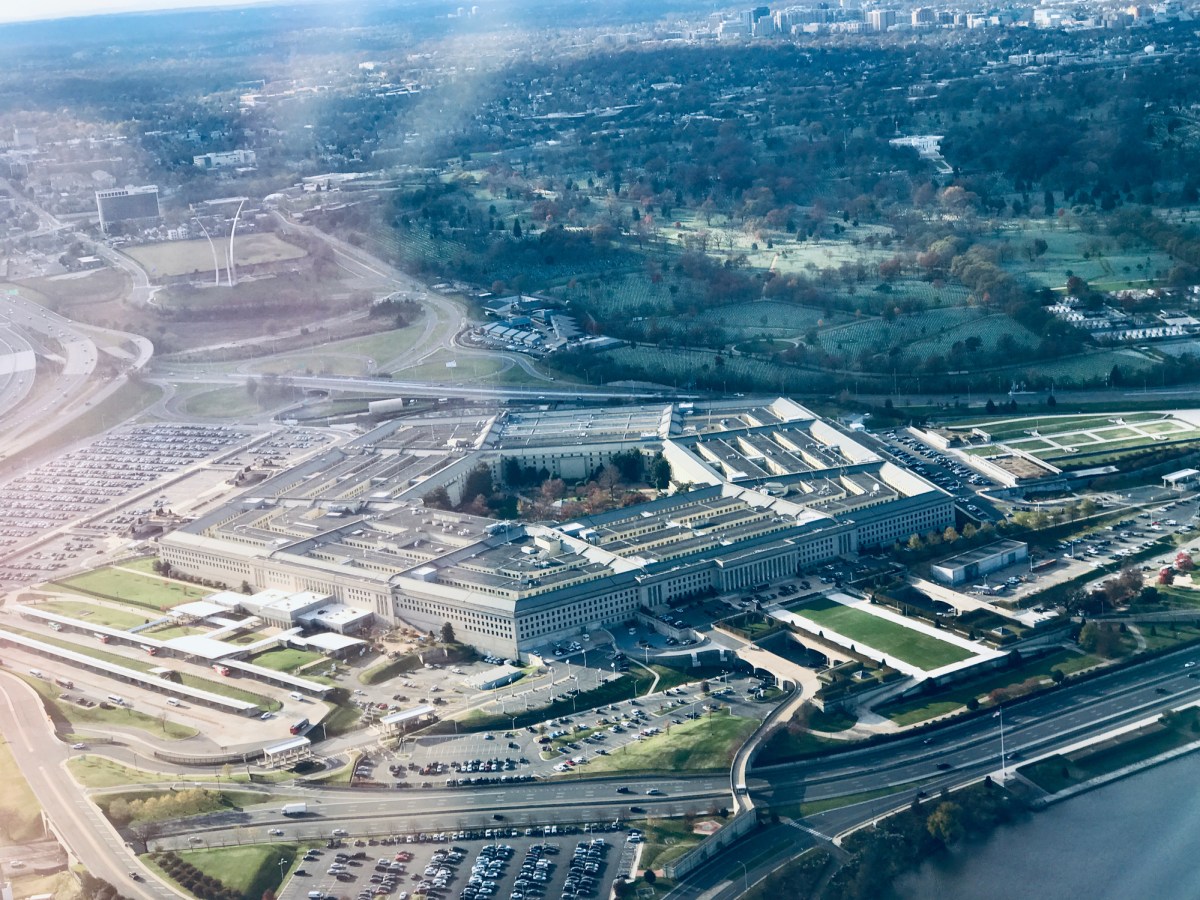
The U.S. Defense Department has entered into agreements with Nvidia, Microsoft, Amazon Web Services, and Reflection AI to utilize their AI technologies on classified networks for lawful operational purposes. This move is part of the Pentagon's strategy to enhance its military capabilities and maintain decision superiority in warfare. The agreements follow a recent dispute with Anthropic over AI usage terms, prompting the Department to diversify its AI vendor partnerships. The AI systems will be deployed in high-security environments to improve data synthesis and decision-making for military personnel.
Read originalMore from TechCrunch AI
 © TechCrunch AI
Market & Regulationbusiness
OpenAI acquires Glass Imaging for $300M
OpenAI's acquisition of Glass Imaging for over $300 million signals a strategic move into hardware, leveraging AI to enhance smartphone camera capabilities. Glass Imaging, founded by former Apple engineers, specializes in using neural networks to improve image quality at the moment of capture, rather than post-processing. This acquisition aligns with rumors of OpenAI's interest in developing its own hardware, potentially including smartphones and AI companion devices. The move could position OpenAI to integrate advanced AI-driven imaging technology into future products, expanding its influence beyond software.
TechCrunch AI
 © TechCrunch AI
More in Market & Regulation
Market & Regulationagents
AI Agents Outpace European Regulation Efforts
AI agents are advancing at a speed that European regulators are struggling to match, creating a significant challenge for oversight. The rapid pace of AI innovation is outstripping the ability of regulators to implement effective controls, raising concerns about potential risks. This situation demands more agile and responsive regulatory frameworks to keep pace with technological advancements. As AI agents become increasingly autonomous and capable, the urgency for effective regulation becomes more pronounced. The current gap between innovation and regulation underscores the need for swift action to ensure safety and ethical standards in AI development.
Sifted
 © The Verge AI
Market & Regulationbusiness

