Market & Regulation
GitHub Code Quality License Cost Preview Released
GitHub Changeloghigh confidence
Why it matters
- →Provides enterprises with a clear cost estimate for future budgeting.
- →Helps organizations decide on the continued use of GitHub Code Quality.
- →Offers transparency in pricing before the service becomes paid.
GitHub has launched a public preview for estimating the cost of its Code Quality service, set to become a paid product in July 2026. The preview allows enterprises to see the number of active committers and estimate their future license costs, which will be $10 per committer per month. This feature is currently free and helps organizations decide whether to continue using Code Quality. The estimate does not include additional costs like GitHub Actions minutes or AI-powered features, providing a clear view of the basic licensing expenses.
Read originalMore from GitHub Changelog
 © GitHub Changelog
Coding Toolscoding
GitHub Copilot June Update for Visual Studio
GitHub's latest update for Copilot in Visual Studio 2026 introduces several enhancements aimed at improving user experience and trust. The update includes a new usage tracking system that provides real-time alerts for usage limits, ensuring developers are aware of their billing status. A trust validation feature for MCP servers enhances security by requiring user approval for changes. Notably, the modernization agent for C++ is now generally available, offering automated and guided upgrade paths. These updates make Copilot more integrated and user-friendly, especially for C++ developers looking to modernize their codebases.
GitHub Changelog
 © GitHub Changelog
Coding Toolscoding
GitHub Copilot for JetBrains Enhances Customization
GitHub Copilot for JetBrains IDEs has expanded its customization capabilities, allowing developers to tailor the tool more closely to their workflows. The update introduces 'bring your own key' support, enabling the use of custom OpenAI-compatible endpoints with API keys. This flexibility is complemented by a more comprehensive plugin management experience, making it easier to integrate team-specific tools. Additionally, new features like local sandboxing and a built-in debugger skill for CLI sessions are now in public preview, enhancing the development environment's adaptability and debugging capabilities.
GitHub Changelog
 © GitHub Changelog
Coding Toolscoding
GitHub Adds AI Security Detections to Pull Requests
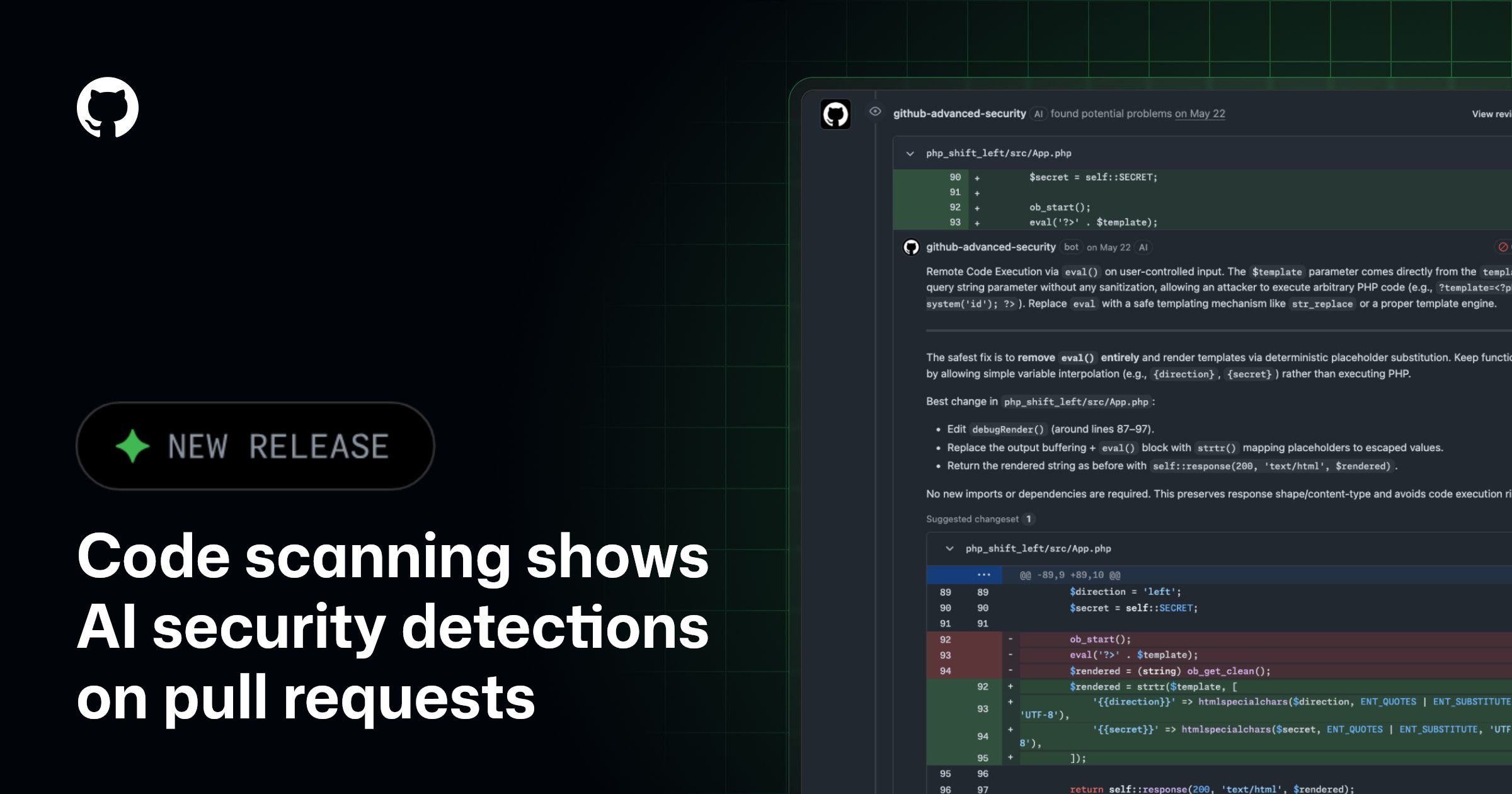
GitHub's latest feature brings AI-powered security detections directly into pull requests, enhancing its code scanning capabilities. This development broadens vulnerability coverage to include languages and frameworks not previously supported by CodeQL, allowing developers to catch potential issues earlier in the development cycle. By embedding these detections into the pull request process, developers can address security concerns before code is merged, making the review process more efficient. Currently in public preview, this feature requires a GitHub Copilot license and is available to users with GitHub Code Security, marking a significant advancement in proactive code security management.
GitHub Changelog
More in Market & Regulation
 © Sifted
Investment · $700M
Market & Regulationbusiness
Neko Health raises $700M Series C funding
Neko Health has successfully raised $700 million in Series C funding, marking a pivotal moment for the company. With 100,000 members and profitability at the clinic level, this funding round is a testament to the company's robust growth and operational success. The investment is set to drive further expansion and innovation in their healthcare services, potentially reshaping the landscape of healthcare delivery. Neko Health's strategic position in the health tech industry is strengthened by this substantial financial backing, which reflects strong investor belief in its business model and future trajectory.
Sifted
 © Sifted
Investment · $15M
Market & Regulationbusiness
Meticulous raises $15M to enhance AI code testing
Meticulous, a London-based startup, has secured $15 million in Series A funding to advance its AI-driven code testing platform. Founded by ex-Palantir and Dropbox engineers, the company aims to streamline the process of verifying AI-generated code by simulating user flows and identifying edge cases. This approach allows developers to quickly understand the impact of code changes, potentially accelerating the deployment process. With plans to expand into backend testing and grow its team, Meticulous is positioning itself as a key player in the AI code verification space.
Sifted
 © TechCrunch AI
Investment · $200M
Market & Regulationbusiness
OpenAI's Miles Wang plans $2B AI drug startup
Miles Wang, an OpenAI researcher, is reportedly leaving to start a new AI-driven drug discovery company, potentially valued at $2 billion. This move highlights the growing trend of applying AI to accelerate breakthroughs in life sciences, with Wang's startup aiming to repurpose existing drugs for new uses. While the funding details are still in flux, the interest from investors like Lightspeed shows the potential impact of AI in the pharmaceutical industry. If successful, Wang's venture could significantly reduce the time and cost associated with bringing new treatments to market.
TechCrunch AI