Market & Regulation
Ferveret's Cooling Tech Boosts Data Center Efficiency
MIT News AIhigh confidence
Why it matters
- →Ferveret's cooling system reduces electricity usage in data centers, enhancing sustainability.
- →The technology allows for more efficient AI model operation, increasing output without additional power.
- →It enables data centers to operate in regions with limited water resources, expanding potential locations.
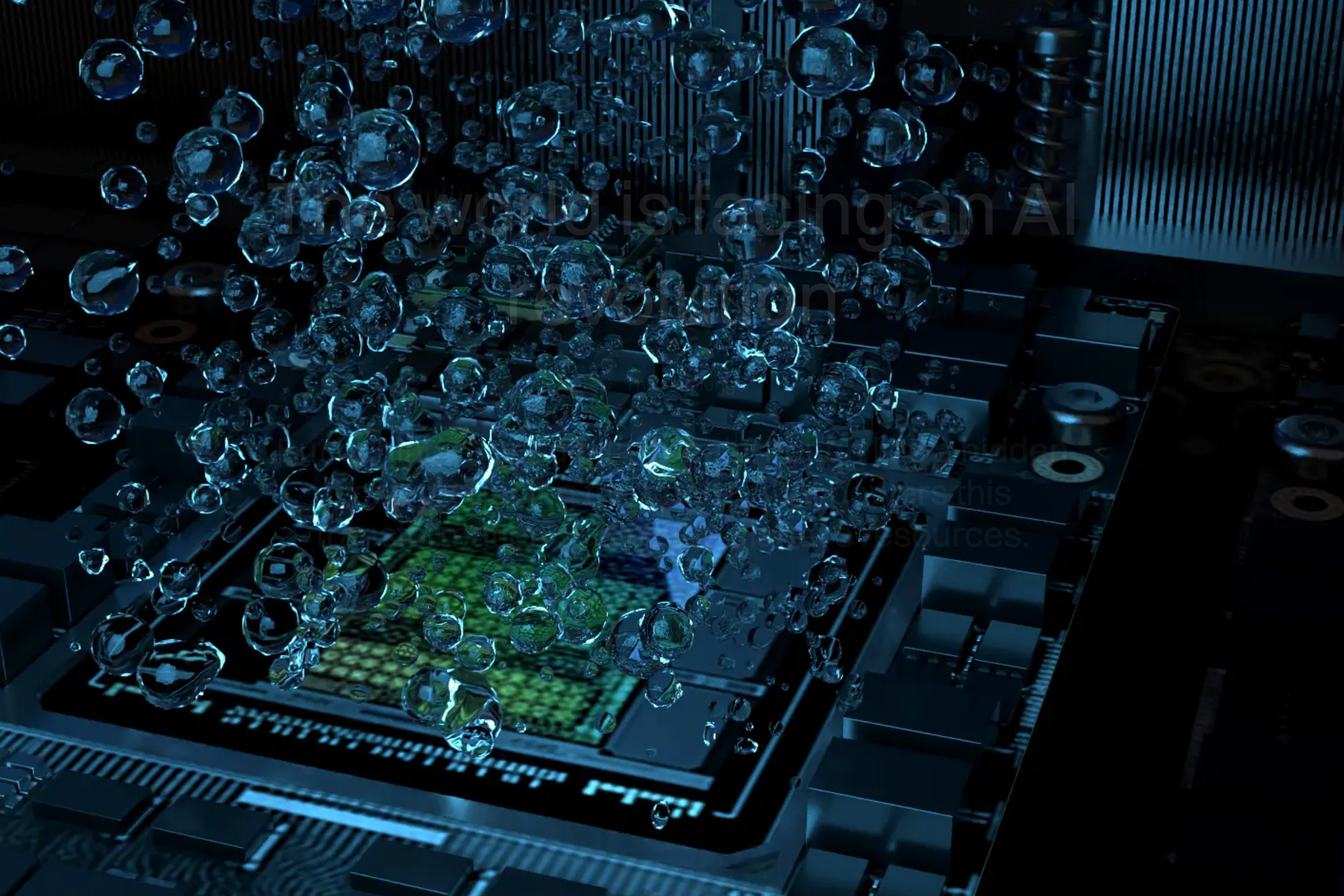
Ferveret, a startup founded by former MIT researchers, is pioneering a new cooling system for data centers that draws inspiration from nuclear reactors. Their Adaptive Phase Cooling technology uses a specialized liquid to efficiently dissipate heat from servers, reducing electricity consumption and eliminating the need for water. This system has shown a 15% improvement in computational power efficiency and allows data centers to produce 35% more AI tokens with the same power. Ferveret's innovation could significantly enhance the sustainability of data centers, particularly in water-scarce regions.
Read originalMore from MIT News AI


More in Market & Regulation
Market & Regulationagents
AI Agents Outpace European Regulation Efforts
AI agents are advancing at a speed that European regulators are struggling to match, creating a significant challenge for oversight. The rapid pace of AI innovation is outstripping the ability of regulators to implement effective controls, raising concerns about potential risks. This situation demands more agile and responsive regulatory frameworks to keep pace with technological advancements. As AI agents become increasingly autonomous and capable, the urgency for effective regulation becomes more pronounced. The current gap between innovation and regulation underscores the need for swift action to ensure safety and ethical standards in AI development.
Sifted
 © The Verge AI
Market & Regulationbusiness

