Market & Regulation
SpaceX Completes Acquisition of AI Startup Cursor
TechCrunch AIhigh confidence
Why it matters
- →SpaceX's acquisition of Cursor provides significant computing resources for AI development.
- →The deal highlights SpaceX's strategic focus on expanding its technological capabilities.
- →Cursor's access to SpaceX's infrastructure could accelerate AI advancements.

SpaceX has completed its acquisition of AI coding startup Cursor, as confirmed by an announcement on Cursor's blog. The acquisition, initially announced in April, allows Cursor to tap into SpaceX's vast computing resources, including a large fleet of GPUs. This move is part of SpaceX's broader strategy to enhance its technological capabilities and scale AI intelligence. The acquisition highlights SpaceX's commitment to advancing AI technology and its potential applications.
Read originalMore from TechCrunch AI
 © TechCrunch AI
Market & Regulationother
Lawsuit Filed Against xAI Over Grok's Alleged Misuse
A legal case has been initiated against Elon Musk's xAI, now integrated with SpaceX, over allegations that its chatbot Grok was used to transform a childhood photo into explicit images. Jane Doe 4 claims her stepfather exploited Grok to produce over 7,000 explicit images of her, leading to his suicide following a police raid. The lawsuit, supported by three Tennessee teenagers, accuses xAI of neglecting to implement necessary safeguards to prevent Grok's misuse in generating explicit content involving minors. This situation brings to light significant concerns about the ethical deployment of AI tools and the pressing need for robust protective measures.
TechCrunch AI
 © TechCrunch AI
Market & Regulationwriting
Anthropic Details Claude's New Text Watermarking
Anthropic is introducing a watermarking system for its chatbot Claude to comply with the EU AI Act’s Transparency Code. This watermarking, using the SynthID-Text approach, embeds patterns in text that are invisible to readers but detectable with a key. While light editing may not remove the watermark, a complete rewrite could. The watermarking aims to ensure AI-generated content is identifiable without affecting the quality of the output. This move aligns with other major AI developers who are also adopting similar practices.
TechCrunch AI
 © TechCrunch AI
Models & Labsmodels
Google Allows Removal of Visible Watermarks in AI Outputs
Google is making a significant shift in how AI-generated content is labeled by allowing users to remove visible watermarks from images, videos, and songs created by its AI models. This change, applicable to the Nano Banana, Omni, and Lyria models, aims to enhance the utility of AI-generated media for professional and creative purposes. However, Google maintains transparency by retaining invisible SynthID watermarks and C2PA metadata. This move reflects a balance between creative freedom and the need for identifying AI-generated content, with the feature rolling out soon in Gemini and Flow, and later in Search.
TechCrunch AI
More in Market & Regulation
 © WIRED AI
Market & Regulationbusiness
Twitch Lets Streamers Opt Out of AI Training
Twitch has introduced a new setting allowing streamers to opt out of having their content used to train Amazon's AI models. This move comes amid growing concerns about how tech giants handle user data, especially after it was revealed that Twitch content was being used for AI training without explicit user consent. The opt-out feature is a response to backlash from creators who were unaware of their content's use in AI development. While this change empowers creators to control their content's use, it also raises questions about past practices and the broader implications for data privacy in AI training.
WIRED AI
 © Crunchbase News
Investment · $5B
Market & Regulationbusiness
Databricks Raises $5B, Valuation Hits $190B
Databricks has successfully raised $5 billion, pushing its valuation to a remarkable $190 billion. This funding round, led by Coatue with contributions from Blackstone and T. Rowe Price, highlights the company's impressive growth trajectory, with a revenue run rate now exceeding $7 billion. Known for its robust data platform, Databricks is cementing its leadership in the AI and data analytics sectors. This substantial investment not only strengthens its market presence but also fuels its capacity for innovation and expansion, setting a challenging benchmark for its competitors in the AI infrastructure space.
Crunchbase News
 © NVIDIA Blog
Market & Regulationresearch
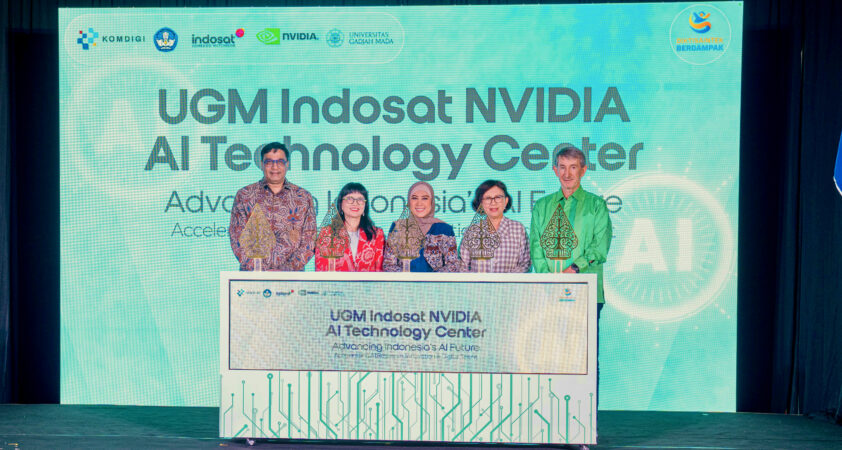
Indonesia Opens First University AI Center
Indonesia has launched its first university-based AI technology center, the UGM Indosat NVIDIA AI Technology Center, in collaboration with NVIDIA, Indosat, and Universitas Gadjah Mada. This initiative aims to develop local AI talent and address national priorities in healthcare, agriculture, and disaster response. By providing access to NVIDIA's AI platform and expertise, the center empowers Indonesian researchers and students to innovate and contribute to global AI advancements. This marks a significant step in positioning Indonesia as a key player in the AI landscape, fostering economic growth and national competitiveness.
NVIDIA Blog